How to Choose Rehab Medical Equipment for Global Buyers?

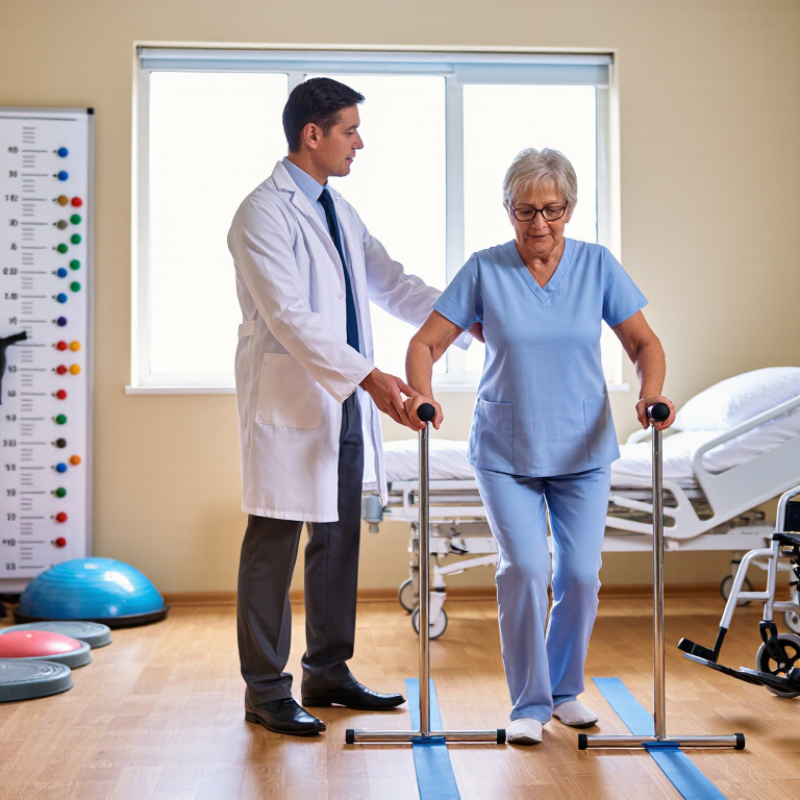
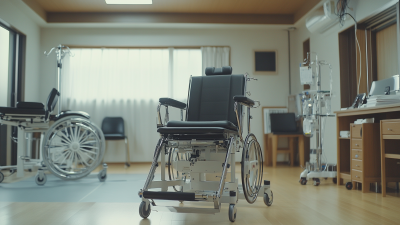
Choosing Rehab Medical Equipment for international markets requires more than comparing prices, product photos, and shipping terms. Buyers must connect each device with a real clinical situation, such as a patient practicing gait training beside parallel bars or an older adult using a transfer chair in a narrow bedroom. The right choice should support safety, comfort, therapist workflow, and long-term maintenance. It should also match the user’s mobility level, body size, recovery goals, and care environment.

Experienced buyers usually begin with verified specifications and practical demonstrations. They review load capacity, adjustment ranges, materials, cleaning requirements, warranty coverage, and replacement-part availability. Consultation with physiotherapists, occupational therapists, biomedical engineers, and qualified distributors can reveal problems that a catalog will not show. Documentation matters as well. Product quality systems, test reports, user manuals, and market-specific registration information should be checked carefully before purchase. Local requirements differ, so global buyers should confirm compliance with relevant authorities and professional advisers.

No checklist is perfect. A low-cost device may become expensive when training, repairs, or missing accessories are added later. A premium model may also fail if users find it difficult to operate. Buyers should record assumptions, compare total ownership costs, and request clear after-sales commitments. Small details matter, including plug type, language support, packaging strength, delivery damage procedures, and response times for technical questions. This guide explains how to evaluate Rehab Medical Equipment with practical judgment, reliable evidence, and a willingness to reconsider early decisions. Mistakes can happen. Careful review reduces them.

How to Choose Rehab Medical Equipment for Global Buyers?

Define Buyer Needs, User Profiles, and Rehabilitation Goals

How to Choose Rehab Medical Equipment for Global Buyers?

Defining the buyer is the first practical decision. A rehabilitation hospital needs clinical precision and frequent cleaning. A community clinic may need simpler controls, lower maintenance, and dependable local training. Home-care buyers usually prioritize safe storage, easy transfers, and caregiver confidence. The WHO and UNICEF Global Report on Assistive Technology estimates that more than 2.5 billion people need assistive products worldwide. That figure may reach 3.5 billion by 2050. Demand is broad, but purchasing conditions are never identical.

User profiles must guide every specification. Record age, body size, mobility level, cognitive ability, pain triggers, and caregiver support. Note the floor surface, doorway width, humidity, power supply, and transport limits. A device suitable for an urban therapy center may fail in a rural home. It could be too heavy, too complex, or difficult to repair. Small details matter. Measure first.

Rehabilitation goals should be measurable and clinically realistic. Is the target safer standing, improved range of motion, independent transfers, or reduced caregiver strain? The WHO World Rehabilitation Alliance reports that 2.4 billion people live with health conditions that may benefit from rehabilitation. Buyers should connect equipment functions with those needs, not purchase features alone. Ask therapists to verify adjustment ranges, user tolerance, cleaning procedures, and training requirements. A neat checklist can still mislead. Budget forecasts should include spare parts, calibration, and staff time. This is often underestimated. Tools must serve people, not impress procurement teams.

Classify Rehab Medical Equipment by Function and Setting

Choosing rehabilitation medical equipment becomes clearer when buyers classify it by function and setting. Function shows what the equipment helps a patient do. Mobility devices support walking, balance, and safe transfers. Therapeutic equipment develops strength, range of motion, or coordination. Daily-living aids assist dressing, bathing, feeding, and other routine tasks. Assessment tools measure movement, endurance, or progress. Keep the purpose specific.

Setting changes the decision. A home device should fit through doorways, store easily, and operate with simple instructions. A clinic may need adjustable treatment tables, gait-training equipment, and cleaning-friendly surfaces. Hospitals often require equipment that supports frequent use, quick disinfection, and transfer between departments. Community rehabilitation programs may prioritize portability, battery life, and staff training. A heavy device can perform well clinically but fail during home visits.

Experienced buyers should match each product with patient ability, caregiver support, maintenance skills, and local service access. Ask for user manuals, training evidence, maintenance schedules, and applicable regulatory documentation. Check electrical requirements carefully; plugs and voltage vary across markets. Confirm load limits with qualified professionals, not assumptions. A trial session can reveal awkward controls, unstable positioning, or poor wheelchair clearance. A neat classification can still mislead. Real environments are less tidy than catalogs. We have sometimes focused on technical features and overlooked storage space, staff confidence, or replacement parts. Those details can decide whether equipment is used safely and consistently.

Evaluate Safety, Quality, Compliance, and User Accessibility

How to Choose Rehab Medical Equipment for Global Buyers?

Evaluate Safety, Quality, Compliance, and User Accessibility

Safety should be tested in real situations, not only in product brochures. Check frame stability, brake response, pinch points, battery protection, and emergency controls. Ask for test reports, risk assessments, inspection records, and clear instructions. Electrical equipment may require evidence against relevant international safety standards. Requirements differ by market, so local regulatory review remains essential.

Quality appears in details that users touch daily. Examine welds, stitching, wheel movement, adjustment locks, and surface finishes. Request traceability for critical components and confirm whether replacement parts remain available. A supplier should explain inspection methods, warranty terms, maintenance intervals, and staff training. In procurement reviews, sample units often reveal problems hidden by polished documents.

Accessibility determines whether equipment works beyond the warehouse. Test controls with limited hand strength, reduced vision, and different body sizes. A wheelchair user may need a lower transfer height, while a caregiver may need lighter folding parts. Instructions should use plain language, clear symbols, and translated versions where necessary. No assessment is perfect. A checklist can miss fatigue after repeated use, or confusion in a crowded clinic. Conduct supervised trials with patients and caregivers, record their comments, and change the specification when evidence challenges the original plan.

How to Choose Rehab Medical Equipment for Global Buyers? - Evaluate Safety, Quality, Compliance, and User Accessibility

Equipment Category Typical User and Application Safety Evaluation Quality and Durability Indicators Relevant Compliance Frameworks User Accessibility Requirements Buyer Verification Documents
Walking Frames and Rollators Users requiring balance support during indoor or outdoor walking; rollators may include hand brakes and a seat. Stable base Secure locking Non-slip tips
Check frame joints, brake response, wheel security, height-adjustment locks, and the stated maximum user mass.
Corrosion-resistant frame; consistent welds; replaceable ferrules or wheels; handles that remain secure after repeated adjustment; smooth brake cables and reliable wheel alignment. ISO 11199-1 for walking aids with two or more wheels; ISO 14971 for medical-device risk management where applicable; local requirements for assistive products. Tool-free height adjustment; clearly marked controls; ergonomic grips; low brake-lever force; high-contrast markings; folding mechanism operable by users with limited hand strength. Product specification sheet, load test results, risk assessment, user manual, cleaning instructions, and spare-parts list.
Manual Wheelchairs Users with temporary or long-term mobility limitations for indoor and outdoor transportation. Parking brakes Anti-tip protection Safe footrests
Evaluate braking, caster stability, pinch points, occupant restraint compatibility, and safe folding or adjustment.
Frame fatigue resistance; durable upholstery; sealed or serviceable bearings; corrosion protection; maintainable wheels, tires, brakes, and footrests. ISO 7176 series for wheelchairs, including testing related to stability, dimensions, performance, and durability; ISO 14971 where applicable. Seat width and depth options; removable or swing-away footrests; adjustable armrests; push handles at a suitable height; pressure-relieving seating options; compatibility with ramps and door widths. ISO 7176 test reports, maximum user mass, dimensional drawing, service manual, material information, and warranty terms.
Powered Wheelchairs and Mobility Scooters Users who cannot safely propel a manual wheelchair or need powered mobility over longer distances. Electromagnetic compatibility Battery protection Slope and braking tests
Verify emergency stopping, speed control, obstacle handling, charger protection, battery placement, and stability on slopes.
Battery-cycle documentation; durable drive components; serviceable control system; accessible fault codes; documented range test conditions; replaceable high-wear parts. ISO 7176 series for powered wheelchairs; IEC 60601-1 and applicable collateral standards when classified as medical electrical equipment; IEC 62133-2 for applicable rechargeable battery safety; UN 38.3 for lithium-battery transport. Adjustable joystick or alternative control input; clear battery indicator; programmable speed; transfer-friendly seating; accessible charger connector; audible and visual alerts. Electrical safety and EMC test reports, battery transport documents, charger specifications, range-test conditions, software or firmware information, and maintenance schedule.
Patient Lifts and Transfer Hoists Transfers for users with limited lower-limb strength between beds, chairs, toilets, and other surfaces. Rated load Emergency lowering Sling compatibility
Inspect lifting points, spreader bars, casters, brakes, emergency stop functions, battery alarms, and protection against unintended movement.
Structural fatigue testing; smooth actuator operation; durable sling fabric and stitching; corrosion-resistant components; documented inspection intervals and battery replacement procedure. ISO 10535 for hoists for the transfer of disabled persons; IEC 60601-1 may apply to electrically powered medical equipment; local lifting-equipment rules may also apply. Adjustable base width; low under-bed clearance; readable controls; slow-start movement; compatible sling sizes; clear caregiver instructions; access for cleaning and disinfection. Load and fatigue test reports, sling compatibility matrix, inspection checklist, risk assessment, electrical test report where applicable, and operator training materials.
Hospital and Homecare Beds Users requiring positioning, nursing care, pressure management, or safer transfers in hospitals and home environments. Guardrail safety Castor locking Pinch-point control
Check safe working load, mattress-platform compatibility, backrest and leg-rest movement, emergency lowering, and cable routing.
Actuator endurance; frame rigidity; cleanable surfaces; protected electrical connections; replaceable castors and control components; documented disinfection compatibility. IEC 60601-2-52 for particular requirements for medical beds; IEC 60601-1 for basic safety and essential performance; IEC 62366-1 for usability engineering where applicable. Hand control with tactile buttons; readable symbols; low-height position for transfers; accessible locking controls; compatibility with pressure-redistribution mattresses and bed rails. Electrical and mechanical test reports, safe working load, mattress compatibility data, cleaning validation or instructions, user manual, and preventive-maintenance plan.
Pressure-Redistribution Cushions and Mattresses Users at risk of skin or tissue injury because of prolonged sitting or lying, reduced mobility, or impaired sensation. Pressure management Fire safety Infection control
Verify correct sizing, inflation or adjustment procedure, cover integrity, moisture management, and safe use with the intended bed or chair.
Stable foam or air-cell performance; low air leakage for pneumatic products; durable, removable covers; welded seams or stitching that withstand cleaning; documented replacement intervals. ISO 16840 series for wheelchair seating products where applicable; ISO 20342 series for pressure-redistribution support surfaces where applicable; local flammability and infection-control requirements. Easy-to-read pressure settings; simple inflation instructions; low transfer height; breathable, stretchable cover; visual damage indicators; sizes suitable for different body dimensions. Pressure-mapping methodology, flammability test report, cleaning compatibility data, materials declaration, user selection guide, and inspection checklist.
TENS and NMES Electrical Stimulators Selected pain-management or muscle-stimulation applications under appropriate clinical guidance. Output limitation Electrode safety Battery protection
Check output controls, automatic shut-off, electrode contact detection, contraindication warnings, insulation, and protection against incorrect connection.
Consistent output over battery life; durable leads and connectors; replaceable electrodes; reliable control buttons; clear service-life information for consumable parts. IEC 60601-1 for basic safety and essential performance; IEC 60601-1-2 for electromagnetic compatibility; IEC 60601-2-10 for nerve and muscle stimulators; ISO 14971 for risk management. Large, high-contrast display; tactile controls; simple intensity adjustment; multilingual instructions; audible and visual warnings; accessible battery compartment. Electrical safety and EMC reports, output verification data, clinical-use instructions, contraindication information, electrode specifications, and battery details.
Portable Suction and Respiratory Support Devices Users requiring prescribed airway clearance or respiratory support in clinical, transport, or homecare settings. Alarm reliability Power-failure protection Contamination control
Verify occlusion alarms, pressure or flow limits, battery backup, tubing connections, filter protection, and compatibility with prescribed accessories.
Stable flow or vacuum performance; durable pump and seals; replaceable filters; robust carrying case; documented cleaning and preventive-maintenance intervals. IEC 60601-1 for medical electrical equipment; IEC 60601-1-2 for EMC; applicable particular standards such as IEC 60601-2-12 or ISO 80601-2-12 depending on device type and intended use. Clear alarm hierarchy; readable display; low-force connectors; audible and visual alerts; multilingual labeling; battery-status indication; accessible cleaning instructions. Electrical safety and EMC reports, alarm verification, performance test data, consumables list, cleaning protocol, battery documentation, and training materials.
Transfer Benches and Bathing Aids Users who need support when entering, exiting, or using a bathtub or shower. Slip resistance Load rating Stable mounting
Check bath-tub fit, leg-locking mechanisms, seat stability, drainage, sharp edges, and safe transfer space.
Water-resistant materials; rust-resistant fasteners; secure seat attachment; replaceable rubber feet; surfaces that tolerate routine cleaning agents. ISO 21801-1 for general requirements and test methods for assistive products; applicable national requirements for bathing and transfer aids. Adjustable height; reversible transfer direction; textured handles; lightweight components; tool-free adjustment; clear visual indicators for locked positions. Load-test results, dimensions, material and cleaning information, installation instructions, maximum user mass, and replacement-part availability.
Global buyer verification principle: Confirm that the applicable standard matches the device classification, intended use, destination market, and product configuration. Request current test reports, declarations of conformity, labeling samples, risk-management records, user manuals, post-market support details, and evidence that the supplied configuration is the same as the tested configuration.

Compare Suppliers, Costs, Logistics, and After-Sales Support

Global buyers should compare rehabilitation equipment suppliers beyond catalogue prices. The WHO Global Report on Assistive Technology estimates that 2.5 billion people need assistive products today, rising to 3.5 billion by 2050. Demand is expanding, but product quality still varies. Request test reports, material specifications, user weight limits, and evidence of quality controls. A factory video is useful, but it is not proof.

Calculate the landed cost, not only the unit price. Include packaging, inland transport, insurance, duties, customs fees, and currency risk. UNCTAD reports that over 80% of global merchandise trade by volume travels by sea, so port delays can affect delivery plans. Compare air, sea, and consolidated freight options. The World Bank Logistics Performance Index 2023 can help assess customs efficiency, infrastructure, and shipment timeliness in supplier countries. A cheap quote can mislead.

After-sales support deserves equal attention. Ask how quickly suppliers provide spare parts, repair guidance, replacement units, and training materials. Set response times in the contract. Confirm whether manuals are available in the buyer’s language. Keep sample parts on hand, especially wheels, batteries, brakes, and cushions. This is practical experience, not theory. Still, even a strong agreement may fail during a sudden parts shortage. Buyers should test one shipment first, inspect it locally, and revise their supplier scorecard before placing a larger order.

Establish Selection, Testing, and Procurement Criteria

How to Choose Rehab Medical Equipment for Global Buyers?

Establish Selection, Testing, and Procurement Criteria

Global procurement should begin with patient needs, not product catalogs. The WHO and UNICEF Global Report on Assistive Technology (2022) estimates that over 2.5 billion people need assistive products. This figure may exceed 3.5 billion by 2050. Buyers should define mobility level, body dimensions, care setting, climate, and caregiver skills. A wheelchair for a dry clinic may fail in humid community care. Check clinical evidence, user instructions, adjustment ranges, and maintenance access. Ask for test reports, not attractive claims.

Testing must reflect real use. Evaluate maximum load, repeated transfers, braking, folding cycles, surface grip, cleaning chemicals, and transport vibration. Electrical equipment needs documented electrical safety and risk controls. ISO 14971 supports medical-device risk management, while ISO 13485 addresses quality systems. Local registration requirements still apply. Procurement criteria should include spare-part availability, training, warranty response, language support, and total cost over five years. The cheapest quotation can become expensive after one missing component. I have seen specifications look complete while excluding caregiver training. That gap deserves review.

Tips: Build a scoring sheet before requesting quotations. Give safety and clinical fit higher weight than price. Request samples for supervised user trials. Record failures, discomfort, and setup time. Include clinicians, technicians, users, and caregivers in testing. Recheck assumptions after field feedback.

WHO and UNICEF, Global Report on Assistive Technology, 2022; ISO 14971:2019; ISO 13485:2016.