China Top Rehab Equipment For Home Manufacturers
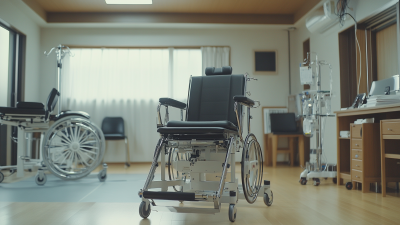
Choosing reliable Rehab Equipment For Home is no longer a matter of buying the most advanced device. It is about fitting recovery into real homes, routines, and physical limitations. A compact pedal exerciser may sit beside a sofa, while a transfer aid may need secure flooring and careful caregiver training. These details often decide whether equipment is used every day.
China has become an important manufacturing base for home rehabilitation products. Its suppliers offer exercise bikes, resistance systems, walking aids, therapy tables, and smart monitoring devices. Yet product quality can vary. Buyers should examine material strength, adjustment ranges, user safety, warranty support, and medical-device compliance. A low price is not proof of value. Sometimes, it hides future costs.
Rory Cooper, a respected rehabilitation engineering expert, has emphasized, “Technology should enhance independence, not replace it.” That principle remains useful when comparing manufacturers. Good equipment should support a person’s goals, not overwhelm them with unnecessary features. Clear instructions matter. Quiet operation matters too.
This guide explores China’s leading Rehab Equipment For Home manufacturers through a practical, evidence-aware lens. It considers design experience, production capability, quality control, customization, and after-sales reliability. Some evaluations may remain imperfect because factory information changes. That limitation deserves attention. Independent testing and professional advice are still necessary, especially for older adults and users with complex conditions. The strongest supplier is not always the largest one. It is the partner that understands safe recovery at home.
Rehabilitation at Home: WHO Estimates 2.4 Billion People Need Services
WHO estimates that 2.4 billion people worldwide need rehabilitation services. Many cannot attend clinics regularly because of distance, cost, age, or limited mobility. Home rehabilitation can reduce these barriers when equipment is selected carefully and used under professional guidance.
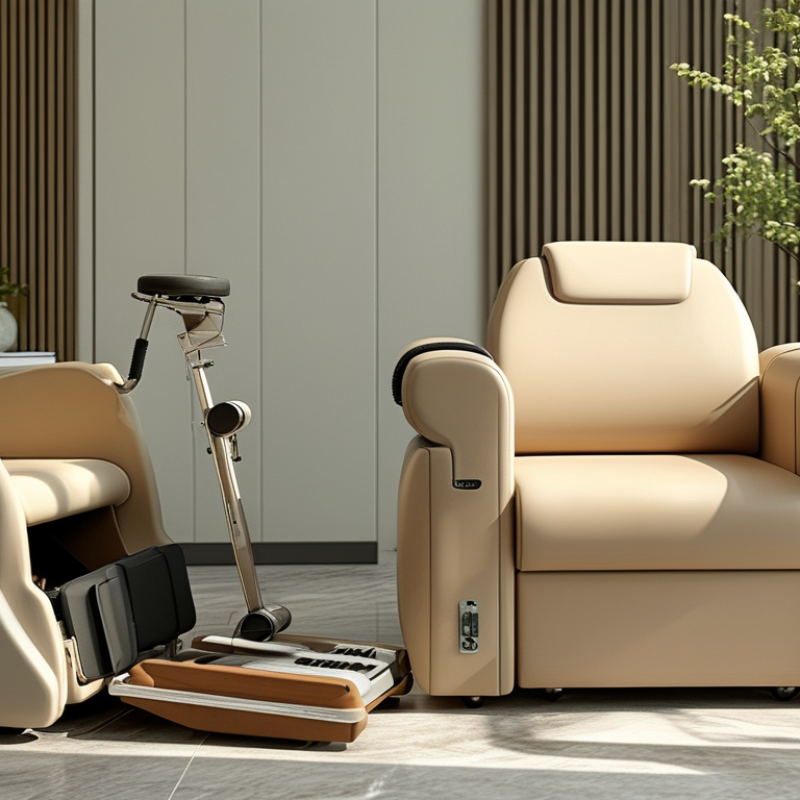
Reliable home equipment should support common needs, including strength, balance, mobility, and safe transfers. Adjustable pedal exercisers can provide gentle movement beside a chair. Resistance bands support gradual strengthening. Non-slip balance pads and stable walking aids may help controlled practice. A transfer bench can reduce strain near the bathroom. Small details matter, such as rounded edges, clear instructions, and weight limits printed on the frame.
Safety comes before convenience. A physiotherapist or occupational therapist should assess the user’s condition, space, and daily goals. Manufacturers should test frames, hinges, grips, and load-bearing parts under repeated use. They should also provide maintenance guidance and accessible customer support. Some products look impressive but offer little practical value. That is worth questioning.
A quiet room helps.
The equipment should fit real homes, not showroom floors. Tight corners, uneven tiles, and family pets can change risk quickly. Users should begin with short sessions and stop when pain, dizziness, or unusual weakness appears. I have noticed that families sometimes buy advanced devices too early. Simpler tools may encourage steadier routines, but progress still requires patience, supervision, and regular clinical review.
China’s Demand Base: 296.97 Million Adults Aged 60+ in 2023
China’s home rehabilitation equipment market is shaped by a large and aging population. In 2023, China had 296.97 million adults aged 60 and above, according to national demographic data. This figure creates steady demand for safer home-based recovery tools. Many users need support after surgery, stroke, joint injury, or long periods of limited movement.
For manufacturers, practical design matters more than impressive specifications. Adjustable walking aids, compact pedal exercisers, transfer supports, and low-impact therapy devices should fit ordinary homes. A narrow hallway can expose poor design quickly. Controls should use large labels, clear contrast, and simple feedback. Family members often assist older users, so cleaning, storage, and maintenance deserve equal attention. Materials should feel stable, not cold or fragile.
Reliable manufacturers should document load limits, testing procedures, user instructions, and after-sales support. They also need to study real home conditions instead of copying hospital equipment. A powerful device may be unsuitable for a person with weak balance. That mistake is easy to make. Product trials with therapists, caregivers, and older adults can reveal problems that factory testing misses. Yet user feedback is not always consistent, and manufacturers must judge which changes improve safety without making equipment unaffordable. Testing should continue after launch.
Equipment Categories: Mobility, Exercise, Electrotherapy, and ADL Aids
China Top Rehab Equipment For Home Manufacturers
Home rehabilitation equipment should match daily routines, not only clinical ideals. Mobility products may include walkers, transfer aids, and adjustable support rails. Look for stable frames, non-slip grips, smooth height adjustment, and clear weight ratings. Exercise equipment can include pedal trainers, therapy bands, balance cushions, and hand-strength tools. A useful setup allows gradual resistance changes. It should also fit beside a sofa or bed.
Electrotherapy devices require more careful review. Manufacturers should provide clear operating instructions, electrode placement guidance, contraindications, and electrical safety documentation. Professional assessment matters, especially for users with implanted devices, reduced sensation, or complex medical conditions. ADL aids, such as dressing sticks, shower seats, reachers, and raised toilet supports, can restore small but important routines. In practice, users may abandon equipment that feels awkward. That detail is easy to underestimate. I would rather choose simple equipment used daily than advanced equipment left untouched.
Tips: Ask manufacturers for material specifications, load testing records, user manuals, and sample inspection reports. Check whether replacement parts are available. Test buttons, wheels, straps, and adjustment locks before purchase. A product can look well designed but still feel unstable at home. Seek advice from a qualified therapist for individual needs. Also review packaging and cleaning instructions, because home storage is often less organized than expected.
Evaluating Top Chinese Manufacturers: ISO 13485, CE, FDA, and QC
China’s home rehabilitation equipment manufacturers should be evaluated through evidence, not attractive catalogs. ISO 13485 indicates a quality management system for medical devices, but it does not guarantee every product is reliable. Ask for the certificate’s scope, validity, and issuing body. Check whether it covers the exact equipment category.
CE marking requires proper conformity assessment under applicable European rules. FDA requirements differ by device and market pathway. “FDA registered” does not always mean FDA cleared. Request declarations, relevant test reports, risk files, and labeling samples. These documents should match the actual model, materials, and intended use. Small differences matter.
Tips: Visit the factory when possible. Watch incoming material checks, assembly controls, electrical safety tests, and final inspections. Look for serial-number traceability and calibration records. Ask how complaints, repairs, and recalls are handled. A supplier that answers clearly is easier to trust. Still, certificates can be current while production slowly drifts. I have seen polished audit folders hide weak sampling practices. Independent pre-shipment inspections can expose this gap. Specify load testing, noise limits, battery checks, packaging protection, and user instructions in the purchase agreement. Keep approval samples for comparison during repeat orders. Local regulatory review remains necessary, especially when equipment supports mobility, lifting, or post-surgical recovery.
Buyer Standards: Safety, Clinical Fit, Warranty, Service, and Total Cost
China Top Rehab Equipment For Home Manufacturers
Choosing a home rehabilitation manufacturer requires more than comparing prices. Safety should be checked through stable frames, secure grips, emergency stops, and clear user instructions. Ask for test reports and confirm that certifications match your destination market. A compact device may still be unsuitable if its seat height, resistance, or control panel does not fit the user.
Clinical fit matters. A therapist should review the patient’s strength, balance, range of motion, and recovery goals before purchase. Manufacturers should provide adjustment ranges, load limits, training guidance, and maintenance procedures. During supplier discussions, request videos of real operation and sample measurements. Marketing photos can hide awkward transfers. That happens.
Warranty terms deserve close reading. Confirm coverage periods, replacement parts, response times, and who pays shipping. A written service process is more reliable than a friendly promise. Total cost includes installation, training, consumables, repairs, electricity, and possible downtime. The cheapest quotation may become expensive after six months. I would still compare suppliers using the same checklist, because informal impressions can mislead even experienced buyers.
Tips:
Test the equipment with the actual user whenever possible. Measure doorways, floors, and storage space first. Request spare-part availability and a clear escalation contact. Keep records of serial numbers, inspections, and service conversations. If a supplier avoids specific answers, pause the purchase and ask again.
Related Posts
-
Exploring the Unique Features and Applications of Rehab Medical Equipment Across Different Needs
-
How to Choose the Best Home Rehab Equipment for Your Recovery Journey
-
How to Choose the Best Rehab Equipment for Your Home Needs
-

What to Know Before Investing in Home Rehab Equipment for Your Facility
-

Global Trends in Rehab Medical Equipment Shaping the Future of Healthcare by 2025
-
Revolutionizing Recovery With Innovative Rehab Equipment for Global Buyers