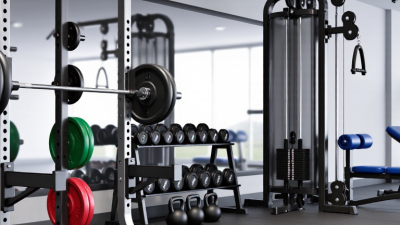
Top 10 Strength Training Equipment for Commercial Gyms
A commercial gym needs more than a room full of heavy equipment. Members need clear pathways, dependable machines, and options for different experience levels. The right Strength Training Equipment can support safer training and make busy floor space work harder. Small details matter. A stable bench, smooth cable travel, or easy-to-adjust seat can shape a member’s entire session.
This guide explores ten equipment categories commonly considered for commercial gyms, from power racks and adjustable benches to cable systems and selectorized machines. Each serves a different purpose. A rack supports varied barbell lifts, while a cable station offers controlled resistance across many movement angles. Durability, maintenance needs, available space, and user flow deserve careful attention alongside price. Look closely. Equipment that suits one facility may not suit another. A compact studio, for example, may value versatility more than a large collection of specialized machines. That judgment is not always simple. Member preferences change, and even well-planned layouts can create bottlenecks during peak hours. The following overview is intended to help gym owners and managers compare practical strengths, limitations, and fit before investing. It cannot replace an on-site assessment, but it can make the next equipment decision more informed.
Strength Training Equipment in Commercial Gyms: Core Categories and Uses
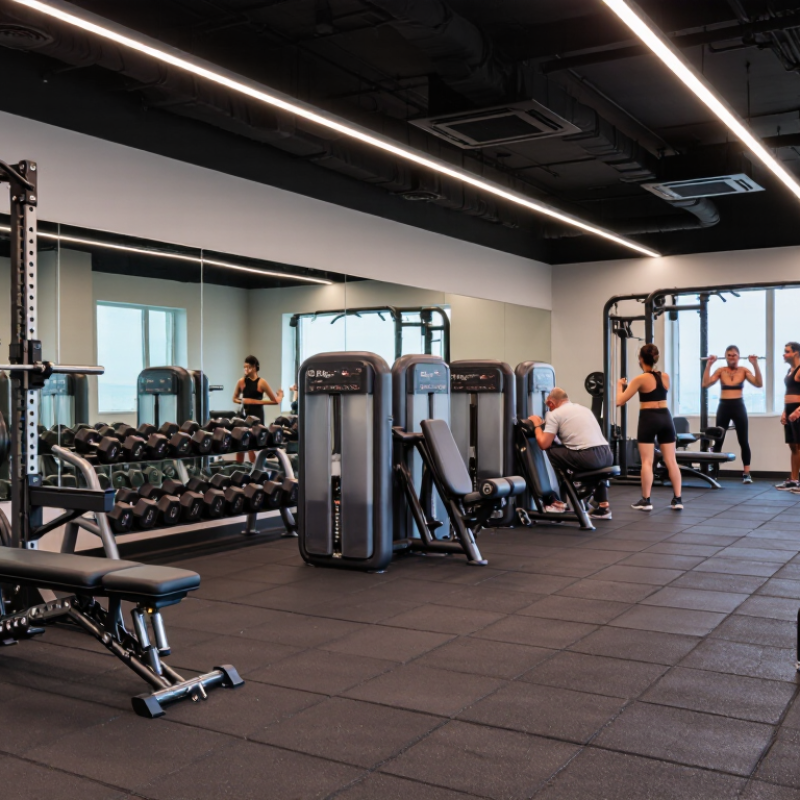
Commercial strength floors work best when equipment supports different movement patterns, not just heavy lifting. Dumbbells and barbells allow flexible loading for presses, rows, and squats. Power racks add secure stations for heavy lifts, while adjustable benches support seated and lying exercises. Cable stations provide smooth resistance from multiple angles. Useful details matter: clear floor space around a rack and easy-to-adjust bench settings keep busy training areas moving.
Selectorized machines guide users through exercises such as leg extensions and chest presses. Plate-loaded machines offer a more familiar free-weight feel with added stability. Smith machines provide a fixed bar path; kettlebells and resistance bands suit carries, swings, warm-ups, and lighter accessory work. The Health & Fitness Association’s 2024 U.S. Health & Fitness Consumer Report counted 72.9 million U.S. fitness-facility members in 2023, reflecting a broad range of training experience. Equipment choice should account for that range. More machines do not automatically mean better use of space. I would still check which stations members actually use; a rarely occupied unit can take up valuable floor area.
Criteria for Choosing Durable, Commercial-Grade Equipment
Commercial-grade strength equipment must withstand repeated use, varied body sizes, and rushed transitions between exercises. Inspect the frame, welds, and joints closely. Look for stable bases, clean welds, and finishes that resist chips and corrosion. Ask for the equipment’s rated capacity and confirm it suits your members and training style. A high load rating alone is not enough; movement should remain smooth and controlled under load.
Test cables, pulleys, guide rods, and adjustment points before buying. Cables should travel without catching, while pins should lock securely and remain easy to reach. Check upholstery seams and padding, too. Thin padding may wear quickly where members brace their shoulders or hips. Service access matters. Can staff replace common wear parts without dismantling half the machine? Request maintenance schedules, parts availability, and warranty terms in writing. Then compare the equipment’s footprint with real floor space, including room for safe entry and movement. A machine that fits on paper may crowd the walkway. No checklist catches every weakness, so a supervised trial can reveal awkward adjustments or unstable movement that specifications do not show.
Top 10 Strength Training Equipment for Commercial Gyms
A balanced commercial gym needs equipment for different training styles and experience levels. A power rack and Olympic barbells support squats, presses, and deadlifts. Bumper or iron plates provide suitable loading options, while adjustable benches add flexibility for upper-body work. Dumbbells cover unilateral exercises and lighter accessory training. Space matters. Choose durable equipment with clear load ratings and stable frames, then check wear points during routine inspections.
Cable stations offer controlled resistance for rows, pulldowns, and rehabilitation-friendly movements. Selectorized machines can help beginners train safely without learning complex setups right away. A Smith machine provides guided bar movement, though it should not replace free-weight training. Leg presses add a lower-body option for members who cannot comfortably squat. Kettlebells round out the selection for carries, hinges, and conditioning. No layout is perfect; peak-hour traffic can make even a well-equipped floor feel crowded.
Tips: Measure walkways before adding machines. Leave room for bench adjustments and plate changes. Ask staff to test equipment flow during busy hours, not just when the gym is empty. A small layout mistake can become annoying every day.
| Rank | Equipment | Primary Training Use | Typical Exercises | Commercial Gym Considerations |
|---|---|---|---|---|
| 1 | Power Rack | Barbell strength training with adjustable safety supports | Squats, bench presses, overhead presses, rack pulls | Choose a stable, adjustable rack with safeties and enough clearance for lifting and plate changes. |
| 2 | Adjustable Cable Crossover | Multi-angle resistance training for the upper and lower body | Cable flyes, rows, triceps press-downs, cable rotations | Adjustable pulleys support varied exercises; allow room for users to move around the stations. |
| 3 | Selectorized Chest Press | Guided horizontal pressing for chest, shoulders, and triceps | Seated chest press | Simple pin-selected resistance can make the station accessible to a broad range of users. |
| 4 | Lat Pulldown Machine | Vertical pulling for the back and arms | Lat pulldowns with different grip positions | Check seat and thigh-pad adjustability, and provide overhead clearance for full range of motion. |
| 5 | Leg Press | Lower-body pressing with supported positioning | Leg presses with controlled foot placement | Its large footprint and moving sled require clear access and a defined surrounding safety zone. |
| 6 | Smith Machine | Guided barbell movements with adjustable catches | Squats, presses, and split squats | Provide adequate working space and explain the machine’s fixed bar path during user orientation. |
| 7 | Dumbbell Set with Rack | Free-weight training across a wide range of loads and movements | Rows, presses, lunges, curls, and shoulder raises | Use secure storage and keep the area around the rack clear for picking up and returning weights. |
| 8 | Adjustable Weight Bench | Supported free-weight and body-weight exercises at different angles | Flat, incline, and seated dumbbell exercises | Durable adjustment mechanisms and stable footing are important for frequent shared use. |
| 9 | Leg Curl Machine | Hamstring-focused knee flexion | Seated or prone leg curls, depending on the machine design | Adjustable pads help users align the machine with their knee and ankle positions. |
| 10 | Leg Extension Machine | Quadriceps-focused knee extension | Seated leg extensions | Look for adjustable seat and shin-pad positions, with clear instructions for controlled use. |
How Equipment Supports Different Exercises and Training Goals
A useful strength floor is not a row of machines; it is a set of options for different bodies and goals. Power racks, barbells, and plates support squats, deadlifts, and progressive loading. Dumbbells allow unilateral work, helping trainers notice side-to-side differences. Adjustable benches add pressing and rowing angles. Small details matter: clear rack space, reachable plate storage, and enough room to spot safely.
Machines have a different job. Selectorized chest-press, leg-curl, and row stations guide movement and make load changes quick, which can help beginners train with less setup. Cable stations offer adjustable resistance for rotations, pulldowns, and rehabilitation-style accessory work. For power development, platforms and bumper plates support Olympic-lifting practice; for general strength, a leg press can provide a stable alternative to free-weight squats. No single tool fits everyone.
The ACSM’s 2025 Worldwide Fitness Trends survey ranked traditional strength training fifth among its trends, signaling sustained interest in resistance-based exercise. That does not mean every gym needs more heavy racks. Member experience, coaching skill, and floor space shape what gets used. A well-equipped room can still feel confusing. It is worth tracking which stations remain idle, then asking members why. The answer may be awkward layout, not the equipment itself.
Safety, Maintenance, and Space Planning for Strength Equipment
Commercial strength areas need clear sightlines, stable equipment, and enough room for users to enter, lift, and exit safely. The ACSM 2025 Worldwide Fitness Trends survey ranked traditional strength training fifth. That signals sustained interest, but a trend ranking is not a forecast of local demand. Track peak-hour use before buying duplicates. A rack that looks efficient on a floor plan may become a bottleneck when plates are stored nearby.
Safety depends on routine checks, not warning signs alone. Inspect cables for fraying, pins for secure fit, and benches for wobble before opening. Log faults, isolate damaged equipment, and train staff to document repairs. Small details matter. A loose collar can send a plate rolling across a busy aisle. Follow each machine’s operating instructions, and keep emergency routes unobstructed. Inspection frequency should reflect use and wear; a lightly used studio needs a different schedule from a packed facility.
Plan space around movement, not just equipment footprints. Leave room to load plates, adjust seats, and spot safely, while keeping walking routes visible and uncluttered. Use equipment manuals and applicable accessibility guidance to set clearances; dimensions vary by design. Group racks and benches where supervision is easy, and place storage within reach without narrowing aisles. Recheck the layout after real use. The original plan may still have blind spots.
Related Posts
-
Top Strength Training Equipment Suppliers Worldwide
-

Future of Workout Equipment Innovations for 2025 and Beyond Guide
-
Setting the Benchmark in Best Workout Equipment Through Industry Standards and Data Analysis
-
What is the Future of Home Gym Equipment for Global Buyers
-
The Future of Home Gym Equipment Revolutionizing Fitness With Smart Technology
-
Exploring the Future of Exercise Equipment at the 138th Canton Fair 2025: Industry Trends and Insights