Top Strength Training Equipment Suppliers Worldwide

The global demand for Strength Training Equipment is expanding beyond elite gyms. Commercial clubs, hotel fitness rooms, universities, and home users now expect safer, quieter, and more adaptable products. Grand View Research estimated the global fitness equipment market at approximately USD 13.2 billion in 2023. Its analysis also projected continued growth through 2030. However, market figures vary between reports. Definitions often include cardio machines, accessories, and digital platforms. That weakness deserves attention.

The American College of Sports Medicine ranked traditional strength training among the leading worldwide fitness trends in its 2024 survey. The Health & Fitness Association also reported strong membership recovery across major fitness markets. These signals support a practical question: which suppliers can deliver dependable equipment, not merely attractive catalogs? Dr. Wayne Westcott, a respected strength-training researcher, has repeatedly stressed a simple principle: “Strength training should be safe, effective, and progressive.” The quote sounds obvious. It is not always reflected in purchasing decisions.

Top suppliers must combine tested steel frames, accurate load ratings, comfortable contact points, and accessible replacement parts. A squat rack should feel stable under a loaded bar. A cable machine should move smoothly without sharp noise or uneven resistance. Warranty terms matter, especially for facilities serving hundreds of users daily. Sustainability matters too, although many reports measure it poorly. This overview examines leading Strength Training Equipment suppliers worldwide through product quality, engineering expertise, certifications, distribution strength, after-sales service, and real-world usability. No supplier is perfect. Buyers should still verify test documents, installation requirements, local compliance, and long-term maintenance costs before signing a contract.
Top Strength Training Equipment Suppliers Worldwide

What Defines a Global Strength Training Equipment Supplier

A global strength training equipment supplier is defined by more than a large catalog. It must understand how equipment performs in different gyms, climates, and regulatory environments. Experienced suppliers test frames, welds, cables, and moving joints under repeated loads. They should provide clear test records, material details, and maintenance instructions. A useful sign is traceability, from steel delivery to final inspection. Small details matter. A loose bolt can change a member’s movement and confidence.

Reliable suppliers also adapt without losing control of quality. They may adjust upholstery, rack dimensions, electrical components, or packaging for regional requirements. However, customization should follow documented engineering reviews, not casual promises. Installation guidance should include floor conditions, lifting points, anchor needs, and safe operating space. Responsive technical support matters after delivery, especially when replacement parts cross borders. Spare-part availability can reveal more than a polished sales presentation.

Professional credibility grows through consistent communication and measurable service. Suppliers should explain production times honestly, identify known limitations, and protect customer data during commercial discussions. Independent inspections can strengthen trust, while transparent warranty terms reduce disputes. No supplier gets every detail right. That reality deserves attention. A company that records failures, studies user feedback, and improves its designs shows practical expertise. Global reach is valuable, but disciplined processes, responsible documentation, and field experience define whether that reach is dependable.

Leading Regions in the Worldwide Strength Equipment Market

North America remains a leading region in the worldwide strength equipment market. Fortune Business Insights estimated the broader global fitness equipment market at approximately USD 16.5 billion in 2023. Its analysis also identified North America as a major revenue contributor, supported by commercial gyms, home training, and rehabilitation demand. Suppliers serving this region must provide durable racks, adjustable benches, and weight systems. They also need clear safety documentation. Metal quality matters when equipment faces repeated daily loading.

Europe represents a mature, technically demanding market. Public procurement and professional fitness facilities often require documented testing, traceable materials, and efficient maintenance support. The European fitness market has continued expanding, according to the 2024 Deloitte and EuropeActive market report, which recorded more than 67 million fitness club members across Europe. That figure supports steady institutional demand, although regulations and purchasing cycles can slow supplier growth. A strong product is not enough.

Asia-Pacific shows the most noticeable expansion potential. Mordor Intelligence projects strong growth for the regional fitness equipment market through the late 2020s, driven by urbanization, rising disposable income, and growing interest in structured exercise. China, Japan, South Korea, India, and Southeast Asia differ sharply in price expectations and facility design. Manufacturing depth is valuable here, but quality consistency remains a concern. Some suppliers still treat finish quality as secondary. That is a mistake. Surface coating, weld inspection, spare-part availability, and realistic load testing can separate dependable regional partners from merely low-cost sellers.

Core Product Categories Offered by International Suppliers

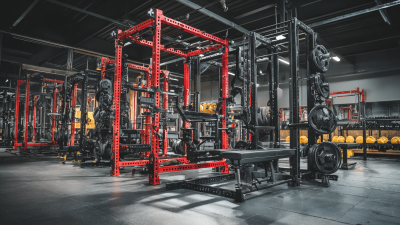
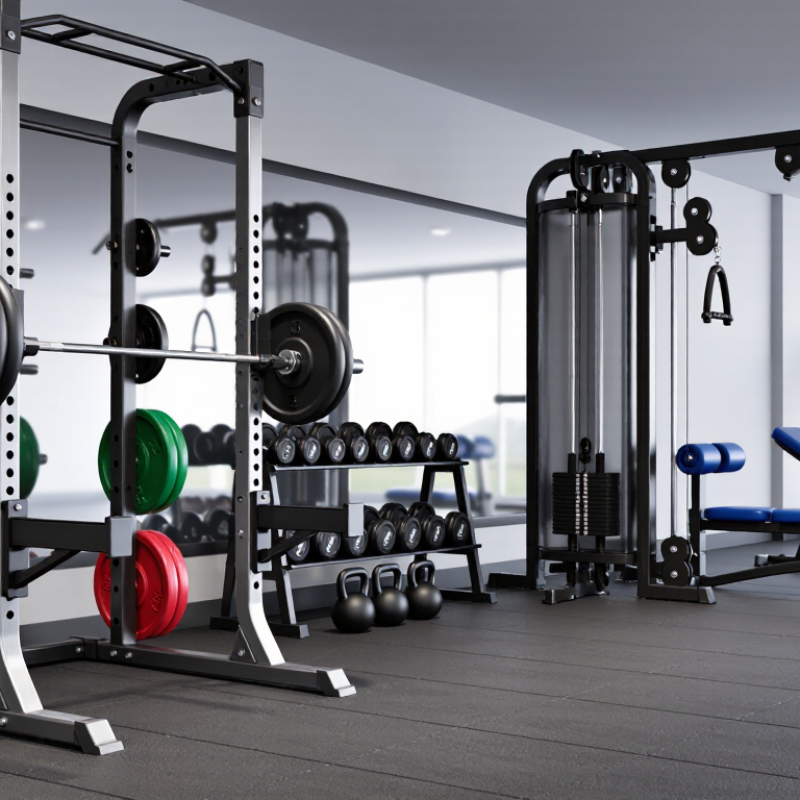
International strength training suppliers typically organize their products into several core categories. Free weights remain central, including dumbbells, kettlebells, weight plates, and Olympic-style bars. These tools support progressive loading and suit both compact studios and large training facilities. Racks, cages, benches, and lifting platforms create the structural foundation for barbell exercises. Steel thickness, weld quality, adjustment systems, and surface coatings deserve close inspection.

Selectorized and plate-loaded machines form another major category. They target movements such as pressing, rowing, leg extension, and hamstring curling with controlled paths. Commercial suppliers may also offer cable systems, adjustable pulleys, and multi-stations for space-efficient programming. Functional training equipment adds versatility through suspension systems, resistance bands, medicine balls, sleds, and battle ropes. Small accessories matter more than expected. Handles can affect grip comfort, while wheel design influences sled control.

I have found that product categories alone cannot confirm equipment quality. Load ratings, testing procedures, spare-part access, and installation support should be checked before purchase. Specifications may also differ between regions, especially for electrical machines and facility standards. A supplier with clear manuals and traceable materials usually inspires greater confidence. Still, no catalogue replaces hands-on inspection. I once underestimated bench stability because the frame looked strong in photographs. That mistake changed my evaluation process. Ask for samples, warranty terms, maintenance schedules, and realistic delivery details. Painfully practical, but necessary.

Standards for Evaluating Strength Equipment Manufacturers

Top Strength Training Equipment Suppliers Worldwide

Standards for Evaluating Strength Equipment Manufacturers

Choosing a strength equipment supplier requires more than comparing catalog prices. A credible evaluation starts with materials, testing records, and manufacturing controls. Inspect frame welds, coating thickness, cable routing, and adjustment points. Small details matter.

Manufacturers should provide clear load ratings and maintenance instructions. These figures must reflect real operating conditions, not optimistic laboratory claims. Ask for independent test reports, safety certifications, and product traceability. A factory audit can reveal inconsistent welding, weak inventory controls, or poor worker training. Documentation should be precise and easy to verify.

User experience also deserves careful attention. Test whether handles feel secure, seats adjust smoothly, and moving parts remain quiet under repeated use. Observe different body sizes using the same machine. A compact design may save floor space but restrict natural movement. That trade-off is easy to miss.

After-sales support separates dependable suppliers from temporary sellers. Review spare-part availability, response times, warranty limits, and technician training. Request evidence from actual fitness facilities. Marketing language is not enough. A polished brochure can still hide delayed repairs or unclear responsibilities. Evaluation methods should be consistent, although they are rarely perfect. Even experienced buyers may overlook long-term corrosion or uncomfortable maintenance access. Rechecking assumptions is part of professional judgment.

How Businesses Select the Right Global Supplier

Choosing a global strength training equipment supplier requires more than comparing quotations. Product safety, production consistency, delivery reliability, and after-sales support must fit the buyer’s operating model. Grand View Research valued the global fitness equipment market at approximately USD 16.6 billion in 2022, with continued growth expected through 2030. Growing demand can attract inexperienced manufacturers. That creates risk.

Procurement teams should request factory audit records, material specifications, load-testing procedures, and defect-rate data. Ask how steel thickness, weld quality, cable strength, and protective coatings are checked. A supplier should provide test reports that match the exact equipment configuration, not a similar sample. The 2023 World Bank Logistics Performance Index shows substantial differences in customs efficiency and shipment tracking between countries. Buyers should therefore compare landed cost, not unit price. Include duties, insurance, port handling, spare parts, and realistic lead times. Small costs accumulate quickly.

Supply resilience also deserves practical testing. McKinsey reported that 93% of surveyed supply-chain leaders planned to increase resilience after recent disruptions. Businesses can assess this by reviewing backup material sources, production capacity, and emergency communication procedures. Visit the factory when possible. Video calls help, but they can hide crowded storage areas or unfinished equipment. One common mistake is approving a supplier after reviewing only polished samples. Real orders expose weaknesses. Require a pilot shipment, clear warranty terms, installation instructions, and measurable response times. The best supplier may not offer the lowest bid. However, buyers should still challenge vague promises, incomplete documents, and impressive claims without evidence.

Top Strength Training Equipment Suppliers Worldwide - How Businesses Select the Right Global Supplier
Selection Dimension Recommended Weight What Buyers Should Verify Practical Reference Benchmark Common Risk Signal
Product Safety and Compliance 20% Test reports, technical files, risk assessments, guarding design, cable and weld inspection records, and applicable market-entry documents. Equipment should be assessed against applicable requirements such as the EN 957 series in Europe or ASTM F2276 in the United States, according to product type and market. Certificates are supplied without a traceable test report, issuing laboratory, product model, or validity information.
Load Capacity and Durability 15% Maximum user weight, resistance range, cycle testing, frame material, weld quality, cable specifications, bearings, and replacement-part availability. Commercial equipment should have documented testing appropriate to repeated daily use, with clearly stated user limits and maintenance intervals. Performance claims are expressed only as marketing language, with no test method, cycle count, or load documentation.
Quality Management System 15% Quality manual, incoming-material inspection, in-process controls, final inspection records, corrective-action procedures, and audit history. A current ISO 9001 certification from an accredited certification body is a useful baseline, but it should be supported by factory records and an independent audit. The supplier cannot provide a certificate number, scope, expiry date, or evidence that the certified site matches the production site.
Total Landed Cost 15% Product price, tooling, packaging, inspection, inland transport, freight, duties, customs fees, installation, spare parts, and warranty reserves. Compare quotations using the same Incoterms 2020 rule, destination, currency, order quantity, packaging specification, and delivery assumptions. The lowest unit price excludes freight, duties, installation, replacement parts, or compliance testing required in the destination market.
Production Capacity and Lead Time 10% Monthly capacity, current order book, critical component availability, production schedule, port options, and documented on-time delivery performance. For standard commercial equipment, a planning range of approximately 30–90 days from approved specifications to shipment is common; custom projects may take longer. The supplier offers a fixed delivery date without confirming raw-material availability, production slots, or inspection time.
Minimum Order Quantity and Customization 10% Minimum order by model and color, tooling charges, packaging options, interface requirements, sample policy, and approval process for engineering changes. Standard products generally offer lower entry barriers than fully customized equipment; all one-time engineering and tooling charges should be itemized. Customization is promised verbally, but drawings, tolerances, ownership of tooling, and change-control responsibilities are not documented.
Warranty and After-Sales Support 10% Warranty duration by component, response time, troubleshooting process, spare-parts list, service manuals, technician training, and claim exclusions. A commercially usable program should define separate coverage for frames, moving parts, upholstery, electronics, labor, shipping, and consumable components. Warranty terms are limited to replacement of parts, with no stated response time, installation support, or long-term spare-parts commitment.
Environmental and Supply-Chain Transparency 5% Material declarations, restricted-substance controls, packaging composition, energy data, waste procedures, subcontractor disclosure, and social-compliance policies. ISO 14001 certification can indicate a structured environmental management system; it does not replace product-specific material and compliance documentation. Environmental claims cannot be linked to measurable data, documented procedures, or an identifiable production location.
Buyer-use note: The weights are a neutral evaluation framework rather than a ranking of any supplier. Delivery ranges and commercial benchmarks are indicative planning references and should be confirmed through a product-specific request for quotation, independent inspection, and destination-market compliance review.