China Top Home Gym Equipment Suppliers for Global Buyers?

For global buyers, choosing China-based Home Gym Equipment suppliers is not just a price comparison. It is a decision about product consistency, communication, and long-term support. A compact adjustable bench may look simple in a catalog, yet its welds, upholstery, and packaging can shape the customer’s experience. Small details matter.

Strength coach Dan John’s familiar reminder is, “The goal is to keep the goal the goal.” For buyers, that means matching equipment to real training needs instead of chasing the longest product list. A home user may need a quiet treadmill, a stable rack, or space-saving dumbbells. Each choice changes what a supplier must deliver.

This guide explores how to assess Chinese manufacturers, compare product ranges, and ask useful questions before placing an order. It considers materials, customization, quality checks, shipping coordination, and after-sales communication. These points can help buyers build a clearer shortlist. They cannot remove every risk. A sample may impress, while a larger shipment reveals inconsistencies. That possibility deserves honest attention.

Supplier selection also depends on the buyer’s market, budget, and service capacity. There is no universal best factory. Instead, look for evidence: clear specifications, responsive answers, and documented inspection practices. Ask for details. Check the fit. Then decide whether the partnership feels dependable, not merely convenient.
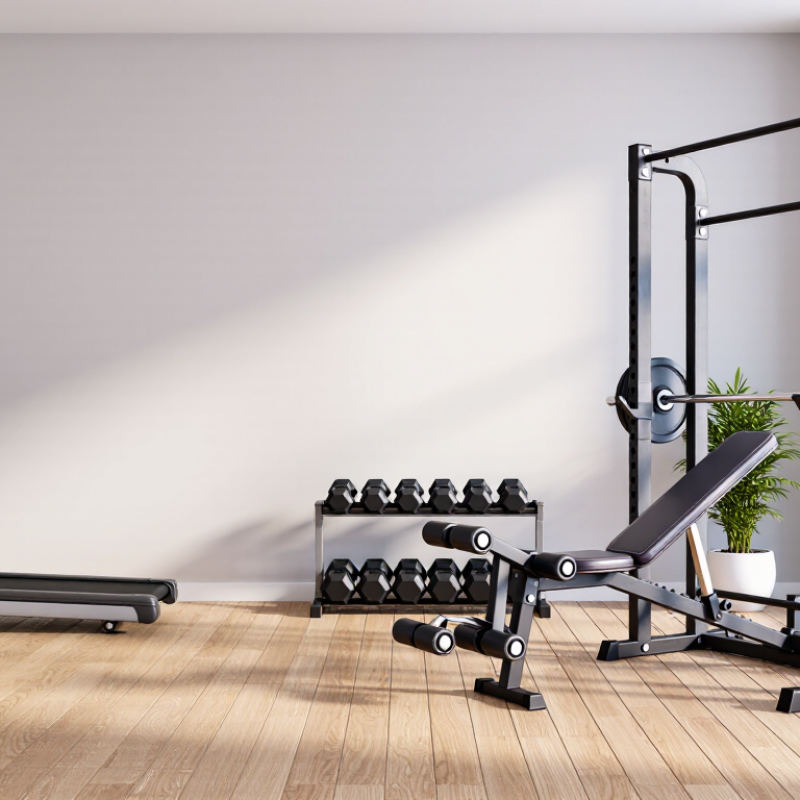
China Top Home Gym Equipment Suppliers for Global Buyers?

Overview of China’s Home Gym Equipment Supply Industry

China’s home-gym equipment supply industry serves both domestic demand and overseas buyers. Its products range from adjustable benches and weight plates to treadmills, cable machines, and compact racks. Factories may handle metal cutting, welding, coating, assembly, and packaging under one roof. Capabilities differ, though.

Grand View Research estimated the global fitness equipment market at US$16.04 billion in 2022, with a projected 5.3% compound annual growth rate from 2023 to 2030. This is global-market data, not a measure of Chinese production. That distinction matters. It signals demand, but does not show how much revenue China’s home-gym suppliers earn.

Many Chinese manufacturers offer OEM or ODM production, allowing buyers to specify dimensions, finishes, and packaging. A practical review should check sample consistency, load testing, weld quality, coating thickness, spare-part availability, and production lead times. Ask for test records. A glossy catalogue is not proof. Supplier capacity can also vary by season, and stated lead times may change when components are delayed. That is worth acknowledging. Buyers should compare written specifications with a physical sample and confirm how defects are handled before placing a large order.

China’s Merchandise Exports: A Supply-Capacity Context for Home Gym Buyers

China’s broad export base provides context for global sourcing of home gym equipment. These figures cover all merchandise exports—not fitness equipment alone—and should not be read as home gym market data.

Merchandise exports, current US dollars, rounded to the nearest US$0.01 trillion. Source: World Bank, World Development Indicators, “Merchandise exports (current US$)” (TX.VAL.MRCH.CD.WT).

Main Product Categories Offered by Chinese Suppliers

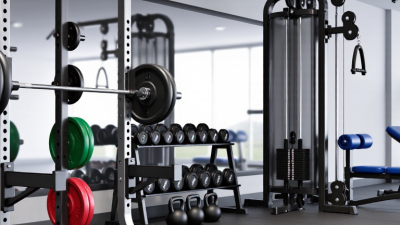
Chinese suppliers commonly offer strength equipment for home gyms, including adjustable benches, dumbbell sets, weight plates, and squat racks. Some provide compact cable machines for users who want several exercises in one footprint. Check frame dimensions and adjustment points against the room, not just the product photos. Space matters.

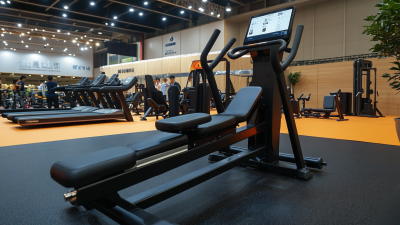
Cardio categories often include treadmills, indoor cycling bikes, elliptical trainers, and rowing machines. Buyers can compare running-deck size, resistance levels, console functions, and folded dimensions. Noise is easy to overlook. For apartments, ask for operating sound data or a live product demonstration when possible. A specification sheet alone may not reveal vibration on a hard floor.

Suppliers may also carry resistance bands, suspension straps, training mats, foam rollers, and storage racks. These smaller products can make a setup more usable, but materials and finish vary between factories. Request clear photos, sample units, and written details on load ratings and warranty terms before placing a large order. Product category names are not always consistent, so compare features rather than labels. I would not assume that a lower price means a better fit; packaging, spare parts, and communication matter too. Details vary.

China Top Home Gym Equipment Suppliers for Global Buyers? - Main Product Categories Offered by Chinese Suppliers

Product Category Typical Products Common Materials or Features Typical Home-Gym Use Buyer Considerations
Free Weights Dumbbells, kettlebells, weight plates, barbell sets Cast iron or steel; rubber-coated options; adjustable sets may use threaded or selector mechanisms Strength training, progressive resistance, and general conditioning Check weight tolerances, handle dimensions, coating durability, and packaging weight limits
Benches and Racks Flat and adjustable benches, squat stands, power racks, weight-storage racks Powder-coated steel frames, padded upholstery, adjustable supports, and bolt-together construction Bench presses, squats, barbell training, and equipment storage Compare dimensions, rated load capacity, stability, adjustment positions, and assembly requirements
Resistance and Suspension Training Resistance bands, tube bands with handles, suspension straps, door anchors Natural latex or synthetic elastomers; woven straps, molded handles, and reinforced anchor points Portable strength work, mobility exercises, and body-weight training Confirm resistance levels, material specifications, warning labels, and suitability for the intended anchor point
Cardio Equipment Treadmills, exercise bikes, ellipticals, rowing machines Steel frames, belt or flywheel systems, electronic consoles, and folding designs on selected models Indoor walking, running, cycling, rowing, and low-impact cardiovascular exercise Review operating dimensions, power requirements, noise, user-weight rating, spare parts, and service support
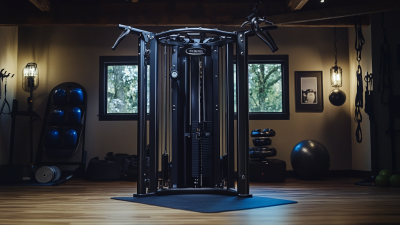
Strength Machines and Cable Systems Home multi-gyms, functional trainers, cable stations, pulley attachments Steel frames, cables, pulleys, weight stacks or plate-loaded mechanisms, and adjustable components Guided resistance exercises and multi-exercise training in a single setup Check floor-space needs, assembly complexity, cable routing, included accessories, and replacement-part availability
Flooring and Training Mats Interlocking floor tiles, rubber gym mats, yoga and exercise mats Rubber, EVA foam, or PVC; thickness, texture, and surface finish vary by application Floor protection, cushioning, grip, and defined workout areas Match material and thickness to the floor and equipment; request product dimensions and care guidance
Small Accessories Jump ropes, ab rollers, push-up bars, collars, lifting straps, foam rollers Plastic, metal, foam, rubber, and textile components, depending on product type Supplementary strength, mobility, balance, and conditioning exercises Verify dimensions, material details, pack quantities, labeling, and applicable destination-market requirements

Product specifications and availability vary by supplier and model. Buyers should confirm current specifications, compliance documentation, packaging, and shipping terms directly before ordering.

How Leading Suppliers Differ in Products and Capabilities

China’s home gym equipment suppliers may look similar online, but their strengths often differ once buyers compare product depth and production control. Some focus on compact items such as adjustable dumbbells, benches, and resistance systems. Others can supply larger setups, including racks, cable stations, and flooring. A catalog alone tells little. Ask for load ratings, dimensions, material thickness, finish options, and replacement-part availability. Clear answers matter more than polished product photos.

Capabilities also vary beyond the equipment itself. Some suppliers can adjust frame dimensions, colors, or packaging, while others work mainly from standard designs. Ask how samples are checked against production units, and request inspection records or clear quality criteria. Discuss carton size, shipping marks, and lead times before placing an order. These details affect storage and delivery. One point is easy to overlook: a capable factory may still communicate poorly, and that can slow down corrections. I would not treat a fast quote as proof of reliable service.

Tips: Compare the same specifications across suppliers. Request close-up photos of welds, adjustment points, and packaging. Confirm which parts are replaceable, and agree on written inspection standards before production. A small sample can reveal gaps that a spreadsheet misses.

How Global Buyers Can Evaluate Potential Suppliers

A supplier’s catalogue can look polished, but the details behind each product matter more. Ask for test reports tied to the exact model, not a similar-looking frame. Check weight limits, weld quality, cable routing, and how moving parts are protected during shipping. Request clear photos of the production line and finished cartons. Ask for evidence.

Compare the sample with the written specifications. Measure the frame, inspect the pulley movement, and check whether bolts and tools are included. A sample may be carefully prepared, so ask how routine production units are checked. That question can feel awkward. Ask it anyway. Confirm which quality checks are recorded and whether an independent inspection is available before shipment.

Evaluate delivery and support, not only price. Request a realistic production schedule, packaging details, spare-part availability, and a written process for handling defects. Confirm that any safety documents apply to your target market and product model. A factory visit or live video call can reveal useful details, though neither guarantees consistent quality. I would also compare a small trial order with later production; one successful batch is encouraging, not proof that every shipment will match.

Key Sourcing, Quality, and Export Considerations

Sourcing home gym equipment from China takes more than comparing unit prices. Ask suppliers for a current product specification sheet, including dimensions, materials, maximum load, and adjustment range. Request a production sample when practical. Check the welds, moving parts, edge finishing, and coating under ordinary use. Small defects matter: a loose pin or rough handle can affect the customer’s first impression. Details matter.

Quality checks should match the equipment. For benches, inspect frame stability and hinge movement; for cable machines, review pulley alignment and cable routing. Confirm how the supplier handles inspections, batch records, and corrective actions. A polished sample can still differ from a full production run. No checklist catches everything, so agree on measurable acceptance criteria before placing an order.

Export planning deserves the same care. Confirm carton dimensions, packing protection, shipment volume, lead time, and which export documents the supplier will provide. Ask how replacement parts can be ordered, especially for wear items such as cables or pads. Requirements can vary by destination, so buyers should verify applicable product and import requirements with qualified local advisers. One awkward point: the cheapest shipping plan may not be the simplest once bulky cartons arrive.