
Why Choose a Cold Plunge Tub for Commercial Use?
A Cold Plunge Tub can turn an underused corner into a purposeful recovery space. Fitness clubs, hotels, spas, and sports facilities increasingly offer cold-water immersion alongside training and wellness services. The appeal is easy to see: a guest finishes a workout, steps into chilled water, and follows a clear, timed recovery routine. Commercial models can support frequent use with insulated construction, water circulation, filtration, and adjustable temperature controls. These features matter when many users share the same unit each day.
Still, buying a tub is not a complete solution. Staff need practical training, visible operating instructions, and a reliable cleaning schedule. Water quality, temperature checks, drainage, and equipment inspections should be documented. A licensed professional should confirm that the installation meets local electrical, plumbing, and health requirements. User screening also matters, because cold exposure may not suit everyone. Clear consent forms and sensible time limits can reduce avoidable risks.
The numbers deserve attention.
A well-managed Cold Plunge Tub may improve the customer experience, but it will not replace medical care or qualified recovery guidance. Benefits can vary between individuals, and strong marketing claims should be treated carefully. Operators should review maintenance costs, energy use, downtime, insurance requirements, and staff workload before purchasing. The best choice may not be the most expensive model. It should be the one that fits daily demand, cleaning capacity, available space, and professional oversight. There may be mistakes during the first month. Regular feedback can reveal them early.
What Is a Commercial Cold Plunge Tub?
Why Choose a Cold Plunge Tub for Commercial Use?
What Is a Commercial Cold Plunge Tub?
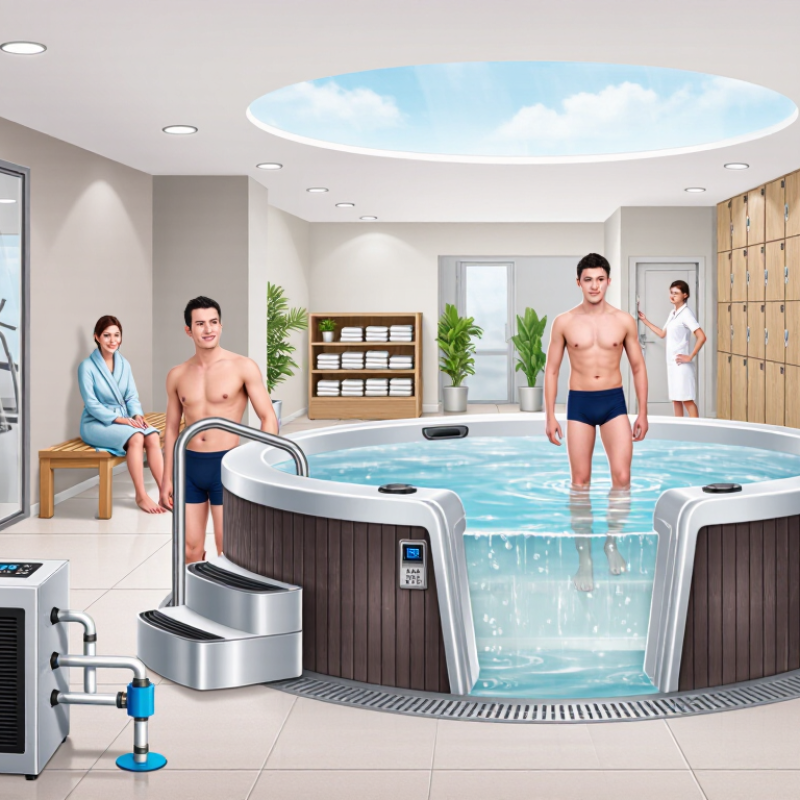
A commercial cold plunge tub is designed for repeated use by many guests each day. It serves wellness centers, gyms, hotels, sports facilities, and recovery studios. Unlike a household model, it needs stronger construction, dependable cooling, and easier maintenance.
In practice, operators should look for an insulated shell, stable water circulation, and accessible drainage. Integrated filtration and disinfection systems help maintain cleaner water between sessions. However, equipment alone cannot guarantee hygiene. Staff must inspect water quality, clean contact surfaces, and record maintenance consistently.
Safety matters as much as performance. A commercial tub should offer secure entry, slip-resistant surfaces, clear temperature controls, and emergency access. Trained staff should explain session limits and screen guests for relevant health concerns. Local health requirements may also affect installation and daily operation.
A durable design reduces interruptions. It does not remove responsibility.
Placement deserves careful thought. A tub near showers may improve workflow, while poor drainage can create hazards. Noise from cooling equipment may also disturb quiet treatment areas. These details are easy to overlook during purchasing, yet guests notice them quickly.
Commercial cold plunge tubs are professional-use systems, not oversized bathtubs. Their value depends on reliable engineering, disciplined upkeep, and sensible supervision. A lower purchase price may seem attractive, but frequent repairs can change the real cost.
Why Choose a Cold Plunge Tub for Commercial Use?
Reference temperature bands for planning a commercial cold plunge experience
Commercial cold plunge tubs are designed for repeatable temperature control, easier sanitation, and consistent user experiences. These practical reference bands help operators plan programming and equipment settings; they are not medical prescriptions. Staff should provide safety guidance, screen users appropriately, and follow local health regulations.
How Cold Plunge Tubs Support Commercial Wellness Services
Why Choose a Cold Plunge Tub for Commercial Use?
Commercial cold plunge tubs can expand wellness services beyond standard massage, sauna, and fitness programs. The Global Wellness Institute valued the global wellness economy at $6.3 trillion in 2023, with continued growth projected through 2028. This trend creates demand for practical, experience-based recovery services. A supervised cold-water session can give clients a clear routine: brief immersion, controlled breathing, warm recovery, and professional observation.
The evidence remains promising, not complete. A 2022 review in Sports Medicine found that cold-water immersion may reduce perceived muscle soreness after exercise, although results varied by protocol and participant. That uncertainty matters. Operators should avoid promising injury treatment or guaranteed performance gains. Instead, trained staff can explain temperature, duration, and individual limitations before every session. Client screening is essential, especially for people with cardiovascular conditions or unusual cold sensitivity.
A reliable commercial setup also requires strict water-quality procedures, documented cleaning, safe entry steps, and visible emergency guidance.
The International Health, Racquet & Sportsclub Association reports continued consumer interest in recovery and wellness features, but interest alone does not guarantee repeat visits. Comfort, privacy, staff confidence, and consistent service quality influence the experience. The tub is only one part of the service.
Keep sessions short.
Some clients may dislike the shock. Others may rush the process. Operators must keep learning, reviewing incident records, and adjusting procedures rather than treating cold exposure as a universal solution.
Key Benefits for Spas, Gyms, Hotels, and Recovery Centers
Cold plunge tubs are becoming practical recovery amenities for spas, gyms, hotels, and recovery centers. The Global Wellness Institute valued the global wellness economy at $6.3 trillion in 2023. That growth reflects stronger demand for measurable, experience-based services. In fitness facilities, cold immersion can support post-training routines when staff explain its limits. A 2022 review in Sports Medicine reported possible perceived recovery benefits, but evidence remains mixed. It is not a cure-all.
For hotels and spas, a cold plunge can create a memorable contrast beside a sauna, massage room, or warm pool. Guests may notice the sharp temperature, short sessions, and clear guidance. Recovery centers can use timed access, digital waivers, and trained supervision. Operators should monitor water quality, filtration, cleaning records, and temperature consistency. The CDC’s Model Aquatic Health Code provides useful sanitation principles, although each facility needs local professional guidance. Safety screening matters, especially for guests with cardiovascular conditions or poor cold tolerance. One uncomfortable truth remains: popularity can outpace staff training.
Tips: Start with controlled sessions, visible timers, non-slip flooring, and private changing space. Keep towels nearby. Record maintenance checks daily. Ask users how they feel afterward, not only whether they enjoyed it. The Health & Fitness Association reported 72.9 million Americans used fitness facilities in 2023, creating a broad audience for recovery services. Still, operators should test demand before installing multiple tubs. A smaller pilot may reveal more than optimistic forecasts.
Why Choose a Cold Plunge Tub for Commercial Use? - Key Benefits for Spas, Gyms, Hotels, and Recovery Centers
A practical comparison of operating benefits, planning benchmarks, and implementation requirements for commercial cold-water immersion facilities.
| Evaluation Dimension | Commercial Planning Benchmark | Why It Matters | Best-Fit Venues | Implementation Notes |
|---|---|---|---|---|
| Water temperature | Common operating range: 10–15°C (50–59°F). Lower temperatures require greater screening and supervision. | Provides a consistent, measurable experience and allows staff to standardize operating procedures. | Spas, recovery centers, performance gyms | Use a calibrated thermometer and record temperature at scheduled intervals. |
| Typical session duration | 5–10 minutes is a commonly used conservative planning window; actual limits should follow medical and facility protocols. | Short sessions support scheduled appointments, controlled throughput, and easier supervision. | Hotels, gyms, spas, recovery centers | Display a visible timer and define maximum exposure times before opening to the public. |
| Space efficiency | Usually requires less floor area than a conventional pool and can be installed as a dedicated recovery station. | Makes cold immersion practical for facilities with limited wellness or training space. | Urban gyms, boutique spas, hotel wellness areas | Allow additional clearance for safe entry, exit, cleaning, drainage, and service access. |
| Customer throughput | A single-user tub with a 5–10 minute session can theoretically support approximately 6–12 sessions per hour, before cleaning, turnover, and entry time. | Helps operators estimate appointment capacity and potential service revenue. | High-traffic gyms, recovery centers, hotel facilities | Use a lower real-world capacity estimate after accounting for sanitation and staff assistance. |
| Water hygiene | Requires filtration, disinfection, water testing, and documented cleaning procedures. | Shared-use water can create hygiene risks if circulation and sanitation are poorly managed. | All commercial venues | Follow local public-health requirements for disinfectant levels, testing frequency, water replacement, and recordkeeping. |
| User experience | Cold exposure produces an immediate, clearly differentiated wellness experience compared with standard hot-room or relaxation services. | Creates an add-on service, membership feature, or recovery circuit component. | Spas, hotels, premium gyms | Provide clear instructions, non-slip flooring, towels, privacy options, and a comfortable rewarming area. |
| Recovery positioning | Cold-water immersion is commonly positioned as a post-exercise recovery and wellness service, not as a treatment or cure. | Supports responsible marketing and reduces the risk of unsupported medical claims. | Sports gyms, athletic facilities, recovery centers | Use evidence-based language and refer medical questions to qualified healthcare professionals. |
| Safety screening | Pre-use screening is important because cold exposure can sharply increase breathing, heart rate, and blood pressure. | Protects users and gives staff a clear process for identifying higher-risk participants. | All venues, especially public-access facilities | Use waivers, contraindication guidance, emergency procedures, and staff training; never permit breath-holding or unsupervised use. |
| Installation requirements | Requires adequate electrical capacity, drainage, waterproof surfaces, ventilation, and safe access. | Reduces installation delays, water damage, and operational interruptions. | Hotels, spas, gyms, recovery centers | Confirm building, plumbing, electrical, accessibility, and occupancy requirements before purchase. |
| Revenue opportunities | Can be offered through paid single sessions, packages, memberships, recovery circuits, or hotel wellness upgrades. | Creates multiple pricing and retention options without requiring a full-size pool. | Spas, hotels, premium fitness clubs | Track utilization, repeat bookings, cleaning cost, staff time, and revenue per operating hour. |
Essential Features for Commercial Cold Plunge Tub Selection
Commercial cold plunge tubs must handle repeated use, fast turnover, and demanding cleaning routines. Capacity matters, but it should not reduce user comfort. Measure the available space, including access routes, service clearance, and drainage points. Quiet operation matters. A reliable cooling system should maintain stable water temperature during busy periods. Strong insulation can reduce heat gain and energy waste.
Hygiene features deserve close attention. Choose smooth, non-porous surfaces with minimal seams and rounded internal corners. Built-in filtration, circulation, and controlled sanitation support cleaner water between scheduled maintenance sessions.
However, no system replaces regular testing and documented cleaning. Water quality logs help staff identify unusual changes before they become larger problems. Easy access to filters and pumps also reduces service delays.
Safety design should include secure steps, non-slip surfaces, clear depth information, and an emergency shutoff. Commercial users may have different heights, abilities, and comfort levels, so accessibility should guide the layout. Inspectors and facility managers should also review electrical protection, ventilation, and local installation requirements.
Small details matter. One commonly underestimated issue is drainage speed after heavy use. A slow drain can disrupt operations and frustrate staff. Another practical concern is replacement-part availability, which is easy to ignore during purchase planning.
Ask about maintenance training, service response, and operating costs rather than focusing only on the initial price. The best selection may still involve compromises; a larger tub is not always the most efficient choice.
Maintenance, Safety, and Operating Considerations
Why Choose a Cold Plunge Tub for Commercial Use?
Maintenance, Safety, and Operating Considerations
Commercial cold plunge tubs need a written maintenance routine, not occasional attention. Staff should test water chemistry before opening and record every result. Filters require scheduled cleaning, while water lines need inspection for slime, scale, and trapped debris. The tub should be drained and sanitized according to its technical instructions. A clean-looking surface can still hide contamination. That detail is easy to miss.
Safety begins with controlled access and clear user instructions. Staff should check water temperature, explain time limits, and ask users to leave immediately if they feel dizzy, numb, or unusually short of breath. A visible timer helps prevent competitive overuse. Keep the surrounding floor dry and provide stable handrails. Electrical equipment must stay protected from splashing and inspected by qualified professionals. Never improvise with damaged cables.
Daily operation also depends on trained supervision. A responsible team member should inspect the cover, circulation system, drain, and emergency controls before service begins. Keep incident records, even when nobody needs medical care. They reveal patterns that memory loses. Some facilities may also need professional water testing, depending on usage and local requirements. Staff training should be refreshed, because procedures fade. That is an uncomfortable weakness in many busy facilities. Temperature, cleaning time, and user flow should be reviewed regularly, then adjusted when real operating conditions prove the original plan wrong.