
What Are the Top Types of Golden Breadcrumbs?

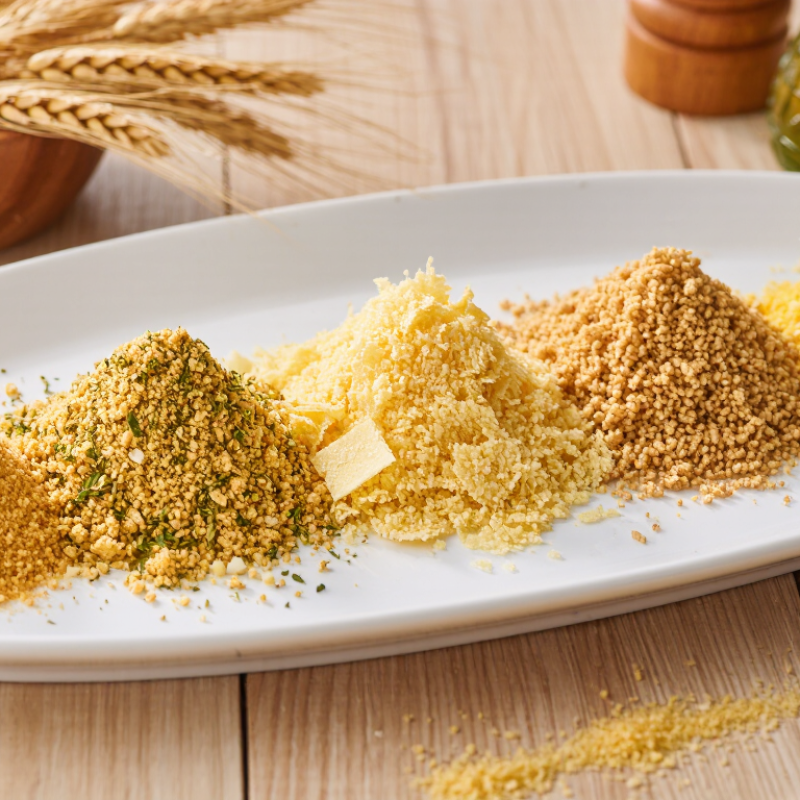
Golden Breadcrumbs are more than a color cue. Their texture, seasoning, and ingredient base shape how a coating browns, crunches, and tastes. Yet “golden” is not one standardized breadcrumb category. It can describe toasted crumbs, seasoned blends, or panko-style coatings browned during cooking. The distinction matters. A fine, dry crumb clings closely to a chicken cutlet, while larger flakes create a lighter, jagged crust.

Public data offers useful context, but not a simple ranking of breadcrumb types. USDA FoodData Central provides nutrition records for products such as plain, dry breadcrumbs. USDA Economic Research Service food-availability data tracks wheat products at a broader level. Neither source establishes which breadcrumb style sells best or browns most evenly. That gap is worth stating plainly. Product labels and cooking tests often reveal more than a headline market estimate.

Food science helps explain the color. Harold McGee’s On Food and Cooking discusses the reactions behind browning and roasted flavors. A careful paraphrase of McGee’s explanation is: “Browning is chemistry, not just color.” Golden Breadcrumbs can get their shade from toasted grains, added seasonings, or heat in the pan. These routes do not produce identical flavor or crunch. This guide compares common types, including plain, Italian-seasoned, panko, whole-wheat, and gluten-free crumbs. It also considers ingredient labels, moisture, and cooking method. A crumb that looks golden in the package may turn pale on a damp surface. That is easy to overlook. The best choice depends on the dish, the coating thickness, and the finish you want.
What Are the Top Types of Golden Breadcrumbs?

How Golden Breadcrumbs Are Classified by Texture and Ingredients

Golden breadcrumbs are commonly classified by particle size and the bread used to make them. Fine crumbs form a close, even coating on fish or vegetables. Medium crumbs add a more noticeable crust. Coarse crumbs, including panko-style flakes, create a lighter, jagged surface that stays crisp after frying or baking. Texture changes everything. Not always.

Ingredients shape color, flavor, and performance. White-bread crumbs tend to taste mild, while whole-wheat versions bring a deeper, grainier flavor. Some products include salt, herbs, spices, or added oils; check the ingredient list when choosing crumbs for a specific recipe. The boundary between “plain” and “seasoned” is not always obvious, and labeling can vary.

USDA Agricultural Research Service’s FoodData Central lists dry, plain bread crumbs at about 395 kilocalories and 72.5 grams of carbohydrate per 100 grams. This is a reference entry, not a value for every recipe or product. Added oil, seasoning, and the bread’s original ingredients can change the nutrition profile. For a crisp coating, match crumb size to the food: finer crumbs cling closely, while larger flakes leave more open, crunchy edges.

Fine Golden Breadcrumbs for Even Coating and Binding

Fine golden breadcrumbs create a thin, even layer on foods with irregular surfaces. Their small particles settle into shallow grooves and cling to moist ingredients. This makes them useful for coating fish fillets, vegetable slices, or small pieces of chicken. For a more reliable crust, pat the food dry, then apply a light layer of flour before dipping it in beaten egg. Press the crumbs gently into place. A heavy hand can leave bare patches.

They also help bind mixtures such as vegetable patties, meatballs, and fish cakes. Add a spoonful at a time, mixing between additions, until the mixture holds its shape without feeling stiff. Give it a short rest so the crumbs can absorb moisture. Too many crumbs can make the center dense, and that mistake is easy to miss before cooking. Fine crumbs brown quickly, so use moderate heat and watch the surface near the end. The coating may look almost too uniform; a few uneven edges are normal, and often make the texture more appealing.

Coarse Golden Breadcrumbs for Crispier Crusts

What Are the Top Types of Golden Breadcrumbs?

Coarse Golden Breadcrumbs for Crispier Crusts

Coarse golden breadcrumbs create a rugged coating that browns well and stays pleasantly crunchy. Their larger flakes leave tiny air pockets around foods such as chicken cutlets, baked fish, or sliced zucchini. That texture matters. Fine crumbs make a smoother, denser shell, while coarse crumbs give each bite more crunch.

For an even crust, pat the food dry before coating it. Dip it in flour, then beaten egg, and press the crumbs gently onto the surface. A light, even layer usually fries or bakes more consistently than a thick clump. Watch the color. Golden crumbs can darken quickly in a hot pan, so use moderate heat and turn the food when the coating looks deeply golden.

Coarse crumbs also work well as a topping for casseroles and roasted vegetables. Toss them with a little oil, then scatter them loosely so heat can reach the flakes. If the crumbs seem too large, crush a small portion by hand; a mixed texture can be useful. I sometimes find that extra crunch overwhelms delicate foods, though, so the ideal crumb size depends on the dish.

Panko-Style Golden Breadcrumbs for a Light, Airy Crunch

Panko-style golden breadcrumbs create a crisp coating without the heavy, compact feel of fine crumbs. Their larger, jagged flakes leave small spaces between pieces, helping a fried or baked surface feel lighter. The contrast is especially clear on a piece of chicken: a pale, airy crust gives way to a juicy center. Texture depends on more than crumb size, though. A wet coating or crowded pan can turn that promising crunch soft.

USDA FoodData Central lists generic dry, plain breadcrumbs at about 395 calories and 72 grams of carbohydrates per 100 grams. This is a useful reference, not a nutrition claim for every panko-style product; recipes and formulations vary. The figures also remind cooks that breadcrumbs are concentrated, so a thin, even layer often does the job. I still find it easy to add too much when chasing a deeper golden color.

Tips: Pat ingredients dry before coating, then press on a light layer of crumbs. Bake on a rack or fry in small batches so steam can escape. For extra color, mix in a little oil before baking. Check early; airy flakes can brown quickly, and that timing is easy to misjudge.

Seasoned and Gluten-Free Golden Breadcrumb Varieties

What Are the Top Types of Golden Breadcrumbs?

Seasoned and Gluten-Free Golden Breadcrumb Varieties

Seasoned golden breadcrumbs combine toasted crumbs with herbs, spices, and sometimes cheese. Their savory flavor suits baked vegetables, casseroles, and fish fillets. A pinch of garlic or dried parsley can add aroma without hiding the food’s taste. The color helps. Check the ingredient list for salt, especially if your recipe already includes salty cheese or stock. It is easy to add too much seasoning; I would rather start lightly and adjust after tasting.

Gluten-free golden breadcrumbs are often made from rice, corn, or gluten-free bread. Their texture varies: some form fine, sandy crumbs, while others create larger, crunchier flakes. Choose finer crumbs for coating small pieces, and coarser ones when you want a crisp topping. Read labels carefully, since recipes and manufacturing practices differ. If cross-contact matters for your household, look for clear allergen information from the producer. Gluten-free does not automatically mean suitable for every dietary need.

Tips: Toast crumbs briefly in a dry pan for extra crunch, stirring until evenly golden. Let them cool before storing, or trapped warmth may soften them. Taste seasoned crumbs before adding more salt.