
Why Use a Patella Strap for Knee Pain?
Knee pain can make ordinary movements—climbing stairs, rising from a chair, or walking downhill—feel unexpectedly difficult. When discomfort centers around the kneecap, a Patella Strap may offer focused support during activity. It sits below the kneecap, applying gentle pressure to the patellar tendon rather than immobilizing the whole joint. That small band can feel reassuring. But it is not a cure. For some people, reducing tendon movement may ease symptoms during running or jumping; others notice little change. Response varies.
A strap is most useful within a wider plan, not as a substitute for identifying the cause of pain. Fit matters: it should feel snug, never numb, painfully tight, or restrictive. Check your skin after wearing it, especially during a long walk, and stop if irritation develops. A clinician or physical therapist can assess persistent pain and recommend suitable exercises, activity adjustments, or other care. Seek prompt medical advice for major swelling, a locked knee, severe pain, or trouble bearing weight. These signs deserve attention. This guide explains what the strap does, who may benefit, how to wear it, and when another approach makes sense. The evidence is not perfect, and the strap’s effect can be modest. A simple fit check helps, though it cannot diagnose the problem.
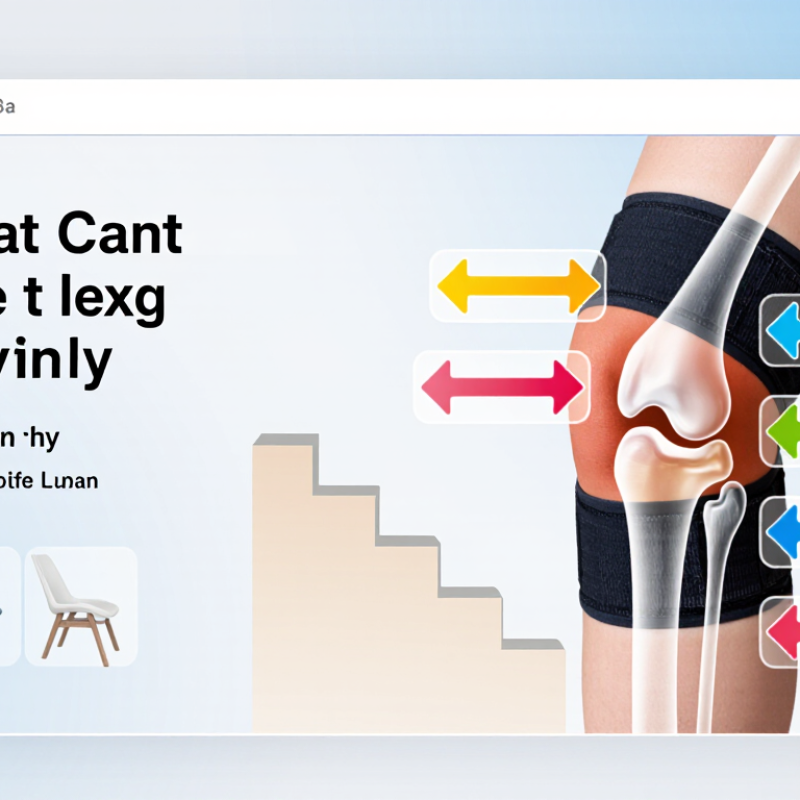
What a Patella Strap Is and How It Supports the Knee
A patella strap is a narrow band worn around the leg just below the kneecap. Many designs have a small cushioned section that rests over the patellar tendon, the firm tissue connecting the kneecap to the shinbone. It is smaller and less restrictive than a knee brace. It does not hold the whole joint in place.
The strap applies gentle, localized pressure to the tendon. For some people, this may make running, jumping, or climbing stairs feel more comfortable by changing how force is felt around the knee. The effect varies. A strap is not a fix for every kind of knee pain, and it cannot identify the cause. Pain from an injury or another knee condition may need different care.
Fit matters. Place the pad just below the kneecap, then tighten the band until it feels secure but not constricting. Too tight is a problem. You should not notice tingling, numbness, or changes in skin color; loosen or remove the strap if these occur. Check your skin after activity, especially during early use. If pain persists, worsens, or limits daily movement, a health professional can assess the knee and advise whether the strap is suitable.
How Patella Straps May Help Relieve Knee Pain
Patellar straps sit just below the kneecap, applying gentle pressure across the patellar tendon. For some people, that pressure may make walking, climbing stairs, or jumping feel more manageable. Small clinical studies have reported short-term pain relief for some athletes with patellar tendinopathy, but they do not show that a strap heals the tendon. That distinction matters. Feeling better is not a diagnosis, and evidence for one type of knee pain may not apply to another.
A 2018 systematic review in PLOS ONE estimated patellofemoral pain prevalence at 22.7% among adults and 28.9% among adolescents. Those figures describe how common the problem is, not whether straps work.
The 2019 Journal of Orthopaedic & Sports Physical Therapy guideline prioritizes targeted hip and knee exercises. It discusses taping for short-term relief, but taping is not the same as wearing a strap.
If you try one, place it below the kneecap, snug but not tight, and compare how a specific activity feels with and without it. Fit matters. One easier stair climb is encouraging, but it is not proof of recovery.
Stop if you notice numbness, skin irritation, swelling, or worse pain, and seek clinical advice if symptoms persist or your knee locks or gives way.
Common Conditions Treated with a Patella Strap
Why Use a Patella Strap for Knee Pain?
Common Conditions Treated with a Patella Strap
A patella strap sits just below the kneecap and may ease strain-related pain during activity. It is most often tried for patellar tendinopathy, sometimes called jumper’s knee. People with patellofemoral pain may also test one, but pain around the kneecap has several possible causes. A strap is not a diagnosis or a cure. That distinction matters.
A British Journal of Sports Medicine systematic review estimated patellofemoral pain prevalence at 22.7% among adults and 7.2% among adolescents. These figures describe a common condition, not proof that a strap will help every person. Patellar straps may offer short-term comfort for some tendon pain, while evidence is less certain for general kneecap pain. The 2019 Journal of Orthopaedic & Sports Physical Therapy guideline prioritizes targeted hip and knee exercises for patellofemoral pain. A strap should not replace assessment or rehabilitation. Osgood-Schlatter-related discomfort is another condition where some people try a strap, though results vary.
Tips: Place the band below the kneecap, snug but not tight. Try it during a short walk or gentle exercise. Stop if you notice numbness, skin irritation, or worsening pain. Persistent swelling, locking, or difficulty bearing weight deserves medical advice. Pain is useful feedback, even when inconvenient.
Why Use a Patella Strap for Knee Pain?
Common conditions for which a patella strap may be considered
A patella strap sits just below the kneecap and may help manage tendon-related pain during activity. This chart shows typical use context—not prevalence, treatment success, or a clinical rating. Straps are commonly used for patellar tendinopathy and sometimes for Osgood-Schlatter disease; they are not a primary treatment for kneecap instability or knee osteoarthritis. Seek professional advice for persistent or severe pain.
How to Choose and Wear a Patella Strap
Choose a patella strap based on your pain and the activity that triggers it. The strap sits just below the kneecap, over the patellar tendon; it is not designed to treat every cause of knee pain. A 2018 systematic review in the British Journal of Sports Medicine estimated patellofemoral pain affected 23% of adults and 29% of adolescents. That figure describes a different knee-pain condition, but it shows why identifying the painful area matters. If the pain is around or behind the kneecap, ask a health professional whether a strap suits your symptoms.
Check the size guide and measure your knee as directed. Position the pad below the kneecap, then tighten the strap until it feels secure, not restrictive. Too tight is not better. Walk a few steps and bend your knee; loosen it if you notice numbness, tingling, skin irritation, or a change in your movement. Try it during a short, familiar activity before wearing it for a full workout. A strap may ease discomfort during movement, but it does not replace strength training or an assessment when pain persists. I would not use reduced pain as proof that an injury has healed.
Why Use a Patella Strap for Knee Pain? - How to Choose and Wear a Patella Strap
| Topic | Guidance | Practical check |
|---|---|---|
| What it is | A patella strap is a narrow band worn just below the kneecap, over the patellar tendon. | It is different from a full knee sleeve, which covers more of the knee. |
| Why people use one | Some people find it helps make activity-related discomfort around the patellar tendon more manageable. It may provide localized pressure and a reminder to adjust movement or activity. | Comfort and benefit vary. A strap does not treat every cause of knee pain or replace appropriate rehabilitation. |
| Common activities | It may be tried during activities that load the knee, such as running, jumping, or sports, if it feels comfortable and does not worsen symptoms. | Start with a short, lower-intensity activity and assess how the knee feels during and afterward. |
| Choosing a size | Follow the sizing instructions for the specific strap. Products may ask for a measurement around the knee or just below the kneecap. | Use the measurement point and size chart stated in the product instructions; sizing methods can differ. |
| Choosing a design | Look for an adjustable fit, comfortable material, secure fastening, and a shape that stays in place during your intended activity. | If possible, try the strap with the clothing and movement you expect to use it with. |
| How to position it | Place the strap below the kneecap, across the patellar tendon. Center any padded section over the tendon if the design includes one. | The strap should not sit over the kneecap or press painfully into the joint. |
| How tight to wear it | Fasten it securely but comfortably. It should not cause numbness, tingling, increased pain, or changes in skin color or temperature. | Loosen or remove it if it feels restrictive, slips into an uncomfortable position, or irritates the skin. |
| First use | Check the fit while standing, walking, and gently bending the knee before using it for strenuous activity. | Reposition or readjust it if it slides, pinches, or limits comfortable movement. |
| Care and skin checks | Follow the care instructions supplied with the strap. Check the skin regularly, especially if you have sensitive skin or reduced sensation. | Stop using it if persistent redness, rash, or skin irritation develops. |
| When to seek advice | Seek medical advice for severe or worsening pain, a major injury, marked swelling, inability to bear weight, or symptoms that do not improve. | A clinician can assess the cause of pain and advise whether a strap, exercise plan, or other care is appropriate. |
General information only; a patella strap may not be suitable for every knee condition.
Limitations, Risks, and When to Seek Medical Advice
Why Use a Patella Strap for Knee Pain?
A patella strap sits just below the kneecap and may ease some pain during running, jumping, or stair climbing. It can change pressure around the patellar tendon, but it does not treat every cause of knee pain or repair an injury. Benefits vary, and research is not equally strong for every knee condition. A strap should feel supportive, not tight. Numbness, tingling, rubbing, or skin irritation are signs to loosen or remove it. It is easy to keep wearing one because it feels reassuring; that alone does not mean the knee is recovering.
Tips: Wear the strap as directed and check your skin after use. Try it during a specific activity, such as a short walk, rather than all day. Stop if pain worsens. Gentle exercise and advice from a clinician may matter more than the strap itself.
Seek medical advice after a fall or twist if you cannot bear weight, the knee looks deformed, or swelling appears quickly. Get prompt care for a locked knee, marked redness and warmth, or severe pain. Arrange an assessment if pain persists, repeatedly returns, or limits daily activities. A clinician can check for causes that a strap may hide, not solve.