Top 10 Silicone Tube Manufacturers You Should Know About?
The silicone tube industry is growing rapidly, driven by increasing demand across various sectors. According to a recent market report, the global silicone tubing market is projected to reach USD 2 billion by 2026. This growth highlights the importance of finding reliable silicone tube manufacturers who can meet quality and performance standards.
Many industries, including healthcare, automotive, and food processing, rely heavily on silicone tubes. These tubes are known for their durability, flexibility, and resistance to extreme temperatures. However, not all silicone tube manufacturers offer the same level of quality. Sourcing from reputable companies ensures better formulation and processing methods.
Choosing the right manufacturer can be daunting. Factors such as certification, product range, and customer reviews should be considered. In this context, understanding the leading silicone tube manufacturers becomes essential for businesses and suppliers seeking trustworthy partners in this competitive market.
Overview of Silicone Tubes and Their Applications
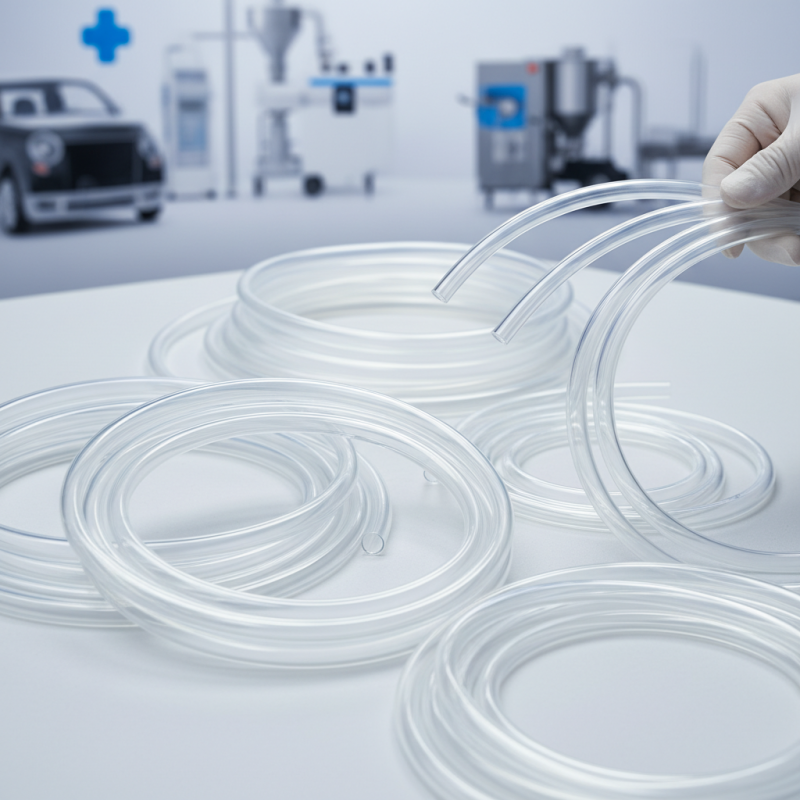
Silicone tubes are essential components in various industries. They offer flexibility, heat resistance, and chemical stability. In healthcare, silicone tubes are crucial. They are used in catheters and medical devices due to their biocompatibility.
According to the MarketsandMarkets report, the global silicone elastomer market is projected to reach $16.5 billion by 2025. The automotive industry also significantly relies on silicone tubes. They serve in fuel lines, coolant hoses, and gaskets, performing well under extreme conditions. As per a study, silicone tubes can withstand temperatures ranging from -60°C to 200°C, enhancing their application range.
Despite their benefits, the production of silicone tubes faces challenges. Not all manufacturers maintain consistent quality, and variations in material formulations can affect performance. This inconsistency can lead to failures in critical applications. Continuous improvements in manufacturing processes and material sourcing are essential for reliability. Industry stakeholders must focus on these aspects to enhance overall product integrity in the market.
Key Factors to Consider When Choosing Silicone Tube Manufacturers
When choosing silicone tube manufacturers, several key factors come into play. Quality is paramount. Look for manufacturers who adhere to rigorous quality control standards. They should have certifications that guarantee the safety and durability of their products. This approach minimizes risks associated with using inferior materials.
Cost is another significant factor. While it’s tempting to go for the lowest price, assess the long-term value. Cheaper options may not last as long, leading to higher costs down the line. Evaluating the manufacturer’s warranty can also provide insights into the product’s expected lifespan.
Tips: Focus on customer support. A responsive team can assist you through the selection and ordering process. Check for flexibility in manufacturing capabilities. This way, you can ensure they can meet specific needs. Lastly, verify the manufacturer’s experience in the industry. Experienced manufacturers often have a deeper understanding of material properties and customer requirements, leading to better product outcomes.
Top 10 Leading Silicone Tube Manufacturers in the Industry
Silicone tubes are essential across various industries, from medicine to food processing. The market is filled with numerous manufacturers that offer a wide range of options. However, understanding the leading companies is crucial for sourcing. These manufacturers are known for their commitment to quality and innovation. They leverage advanced technology to produce reliable silicone tubing.
Many silicone tube manufacturers have specialized in areas like medical-grade products or high-temperature applications. Their expertise allows for the creation of silicone tubes that meet specific industry standards. Reliability is key, yet not all companies maintain the same level of quality control. Some manufacturers struggle with consistency, leading to potential challenges in product performance.
It is also important to consider customer feedback. Many companies actively collect input from clients to improve their offerings. However, not every manufacturer effectively addresses these concerns. This gap highlights the importance of choosing a manufacturer that values continuous improvement. In the end, the right choice can significantly impact the success of your projects.
Innovative Technologies Used in Silicone Tube Production
Advancements in silicone tube production are remarkable. Manufacturers are adopting innovative technologies to enhance efficiency and durability. Extrusion processes have been refined. This leads to better consistency in tube dimensions. Automated systems also play a crucial role in manufacturing. They expedite production cycles and reduce human error.
Thermal curing is another exciting development. This technique improves the resistance of silicone to heat and chemicals. It increases the lifespan of silicone tubes in various applications. Manufacturers are also exploring new additives. These can enhance flexibility and strength without compromising quality.
Despite these advancements, challenges remain. Some enterprises may struggle to keep up with these technologies. Insufficient training can lead to inefficiencies. Moreover, sourcing high-quality raw materials can be a challenge. It’s essential for manufacturers to address these gaps for continued progress.
Top 10 Silicone Tube Manufacturers: Production Capacity Comparison
Future Trends in Silicone Tube Manufacturing and Market Demand
The silicone tube manufacturing industry is evolving. As sustainability becomes a vital focus, manufacturers are exploring eco-friendly raw materials. This change aims to reduce the environmental impact of production. Additionally, companies are investing in technology to enhance efficiency. Automated systems are expected to increase consistency and reduce waste.
Market demand is shifting, driven by industries like healthcare and automotive. These sectors require high-quality silicone tubing for applications such as medical devices and fuel lines. The growing emphasis on biocompatibility in healthcare products is noteworthy. Manufacturers must adapt to meet these specific needs. However, keeping up with rapid advancements can be challenging. Some industry players may struggle to innovate.
Quality assurance remains a priority. Transparency and ethical practices are essential for building trust. As competition intensifies, manufacturers must ensure they meet stringent regulations. Navigating these dynamics requires ongoing investment in research and development. The industry's future hinges on balancing demand with responsible production practices.
