What is synthetic mica powder and its uses in cosmetics?
synthetic mica powder is rapidly gaining recognition in the cosmetics industry. This versatile ingredient is known for its shimmering effects and smooth texture. According to Dr. Emily Chen, a leading expert in cosmetic formulations, “Synthetic mica powder adds a unique radiance while ensuring product safety and consistency.”
The use of synthetic mica powder can enhance makeup products like eyeshadows and highlighters. It provides a gentle glow without harmful additives. Many brands are shifting towards it for its cruelty-free and sustainable qualities. The brilliance it adds to products can sometimes overshadow the need for detailed sourcing and processing standards.
Despite its benefits, the industry faces challenges. Not all synthetic mica powder is created equal. Some products may lack the desired quality, leading to inconsistent performance. Consumers deserve clarity about what they're applying on their skin. The balance between aesthetic appeal and ethical sourcing remains an ongoing discussion in cosmetics.
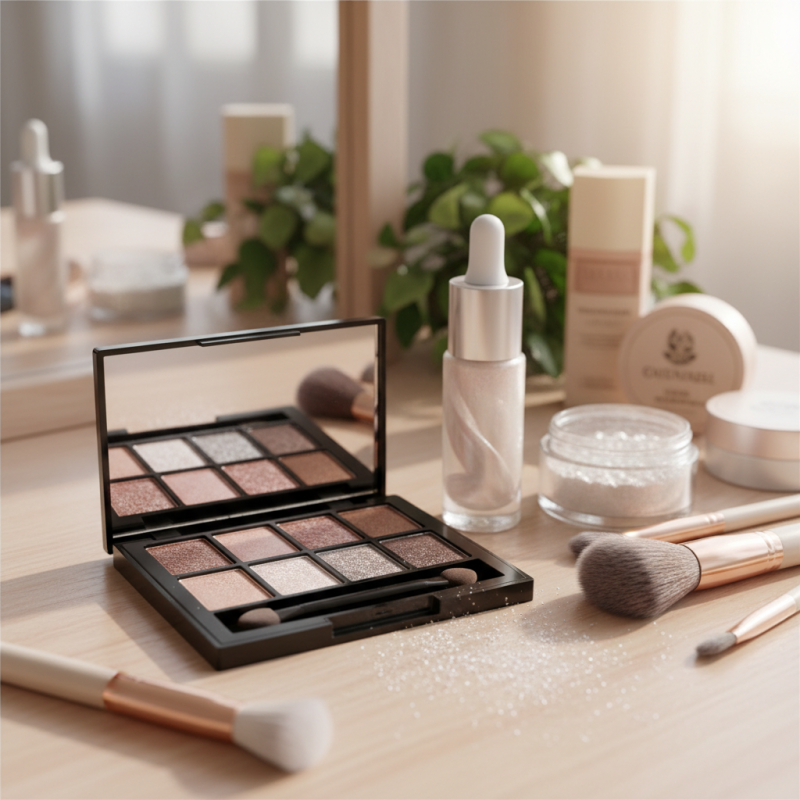
Definition and Composition of Synthetic Mica Powder
Synthetic mica powder is a man-made material that mimics the natural mica found in minerals. It is composed mainly of silicate minerals, like potassium aluminum silicate. The fine particles have a smooth texture and shimmering effect. This gives products a reflective quality that can enhance their visual appeal.
In cosmetics, synthetic mica powder is widely used in various formulations. It serves as an efficient filler, providing a silky texture to products. Moreover, it can improve adherence on the skin and create a soft-focus effect. These properties make it popular in foundations, highlighters, and eyeshadows. The powder is also versatile, enabling different finishes ranging from matte to shimmer.
While synthetic mica boasts many advantages, it's essential to consider its environmental impact. Producing synthetic materials can consume resources and energy. Some formulations may also cause skin irritation for sensitive users. Reflection on these factors is crucial as the cosmetic industry aims for sustainability. It raises questions: How can we balance efficacy and environmental responsibility?
Manufacturing Process of Synthetic Mica Powder
Synthetic mica powder is a versatile ingredient often used in cosmetics. It is made through a careful manufacturing process that reproduces the natural properties of mica. The process begins with the selection of raw materials, typically consisting of minerals rich in silicates. These are then subjected to high temperatures to create a fine powder.
The next step involves refining the powder through grinding and classifying. This ensures that the particle size is uniform, which is crucial for its performance in cosmetics. Smaller particles create a smooth application, while larger ones can reflect light beautifully. However, achieving the perfect particle size can sometimes be challenging and requires fine-tuning of machinery and techniques.
Finally, the synthetic mica powder is treated to enhance its properties. This may include surface coating to improve its stability and compatibility with other cosmetic ingredients. Mistakes can happen during this stage, leading to variations in quality. Each batch needs careful inspection. Despite these challenges, synthetic mica powder remains popular due to its shimmering effect and skin-nourishing benefits. Its journey from raw material to finished product illustrates the balance between precision and creativity in cosmetic manufacturing.
Key Properties and Advantages for Cosmetic Applications
Synthetic mica powder is becoming increasingly popular in the cosmetics industry. This mineral is known for its lightweight and shimmering properties. It gives products a luxurious feel. One of its key advantages is its ability to create a smooth application. It fills in fine lines and imperfections on the skin.
Moreover, synthetic mica is non-toxic and hypoallergenic. This makes it suitable for sensitive skin types. Unlike some natural micas, synthetic versions are free from impurities. This ensures that there are no unwanted elements in cosmetic formulations. The consistent quality of synthetic mica allows for predictable results in makeup products.
However, using synthetic mica is not without challenges. Some formulations may not incorporate it well. It can alter the texture of creams or powders. Careful testing is required to achieve the desired effect. Additionally, there is ongoing debate about its environmental impact. Understanding these nuances is essential for formulators to create effective cosmetics.
What is synthetic mica powder and its uses in cosmetics? - Key Properties and Advantages for Cosmetic Applications
| Property | Details |
| Composition | Synthetic mica is composed of layered silicate minerals, primarily potassium aluminum silicate. |
| Color Range | Available in various colors, including pearl, gold, and silver, depending on the desired effect. |
| Texture | Provides a soft, smooth texture that enhances the feel of cosmetic products. |
| Light Reflectivity | Excellent light reflectivity, adding shimmer and glow to formulations. |
| Utility in Makeup | Used in foundations, eyeshadows, and blushes to improve color payoff and longevity. |
| Skin Benefits | Non-irritating, suitable for sensitive skin, and provides a smooth finish. |
| Sustainability | Synthetic production minimizes environmental impact compared to natural mica extraction. |
Common Uses of Synthetic Mica Powder in Cosmetic Products
Synthetic mica powder has gained popularity in the cosmetics industry for its unique properties. It is a versatile ingredient often used in products like eyeshadows, highlighters, and foundation. Its light-reflecting qualities give cosmetics a desirable shimmer and softness. According to a recent report by Global Market Insights, the global market for synthetic mica was valued at over $120 million in 2022 and is expected to grow significantly in the coming years.
In eyeshadows, synthetic mica improves blendability and enhances pigment payoff. This gives a more vibrant look than natural alternatives. In highlighters, its fine texture allows for a smooth application. The result is a luminescent finish, captivating consumers. Furthermore, synthetic mica is often preferred due to its consistent quality. However, some consumers are concerned about the environmental impact of synthetic versus natural ingredients.
Despite its advantages, not all synthetic mica is created equal. Production practices may vary, leading to inconsistencies in quality. Some users report skin irritations, suggesting that not every formulation is ideal. It’s important for brands to ensure safety in their products. Transparency in sourcing and production can help address these concerns, allowing for greater consumer trust.
Common Uses of Synthetic Mica Powder in Cosmetic Products
Environmental Impact and Safety of Synthetic Mica in Cosmetics
Synthetic mica powder is increasingly popular in cosmetics. It provides a shimmery finish to products like eyeshadows and highlighters. However, its environmental impact raises concerns. While synthetic mica is often seen as a sustainable alternative, the production process can be energy-intensive. Manufacturing involves mining and processing raw materials, which can lead to habitat destruction.
The safety of synthetic mica in cosmetics is another aspect to consider. Generally, it is deemed safe for skin contact. Yet, some individuals may experience allergies or irritation. It is essential to conduct patch tests before regular use. Furthermore, the silicone used in synthetic mica can cause microplastic pollution. This potential environmental footprint is troubling.
The industry should reflect on these points. Sustainable practices in synthetic mica production are critical. Brands must be transparent about their sourcing methods. Awareness is key for consumers making informed choices. The ongoing dialogue about safety and environmental impact will shape the future of cosmetic ingredients.
