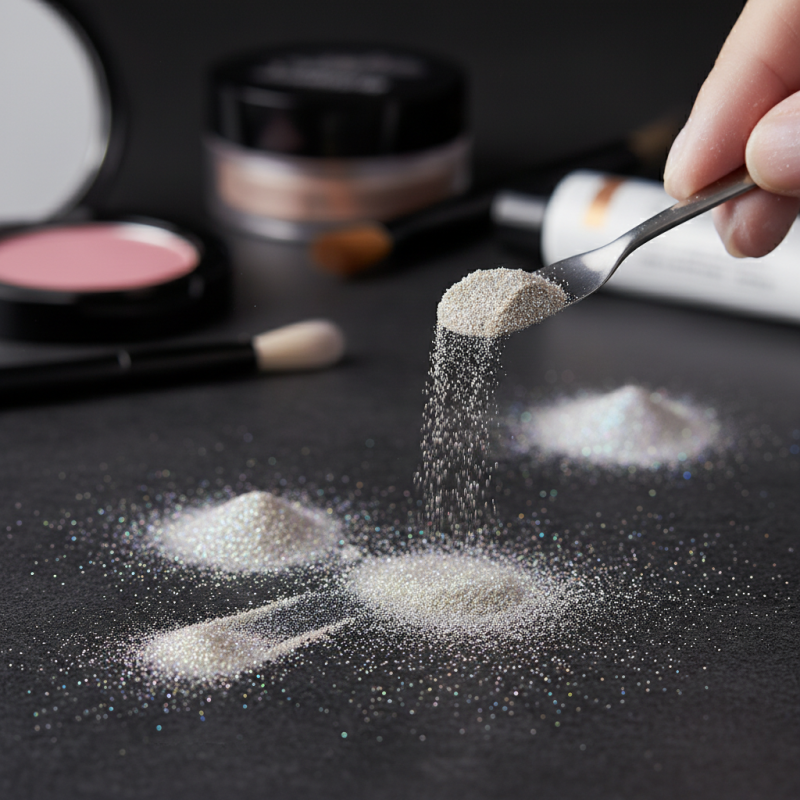
What is synthetic mica powder and how is it used?
synthetic mica powder is an innovative material that has gained popularity in various industries. Made from synthetic sources, it mimics the natural mica's properties. This powder offers unique benefits, such as enhanced durability and versatility. Many manufacturers prefer synthetic mica powder for its consistent quality.
The applications of synthetic mica powder are diverse. In cosmetics, it adds shimmer and texture to products. Its reflective properties make it ideal for eye shadows and foundations. The powder is also used in paints and coatings, providing a durable finish. Its resistance to heat and UV rays adds to its appeal.
Despite its advantages, not all synthetic mica powder is perfect. Some variations may lack the desired shimmer or texture. Manufacturers must choose suppliers carefully. Overall, synthetic mica powder is an essential ingredient for many products, but quality control remains a crucial consideration.
What is Synthetic Mica Powder?
Synthetic mica powder is a versatile mineral used in various industries. It is created in a lab to mimic natural mica. This powder is composed of layered silicate minerals. It often exhibits an iridescent sheen that is attractive.
In cosmetics, synthetic mica powder enhances makeup products. It adds shimmer and depth to eyeshadows, highlighters, and lip glosses. Unlike natural mica, synthetic mica is free from harmful impurities. This makes it safer for skin contact. Many people prefer it due to ethical sourcing. It avoids environmental impacts associated with mining.
Beyond cosmetics, synthetic mica finds applications in paints and coatings. It improves durability and provides a smoother finish. However, not all synthetic mica is created equally. Some manufacturers may compromise on quality for cost. Always research sources and product details. This keeps consumers informed and safe.
The Production Process of Synthetic Mica Powder
Synthetic mica powder is created through a precise production process. It begins with the extraction of natural minerals. These minerals are then processed under controlled conditions. Heat and specialized processing techniques alter the minerals' structures. The goal is to produce a consistent, high-quality product.
During production, the ground minerals undergo several purification steps. Impurities must be removed to ensure the final powder is pure. This process can be complex. Variations in temperature and time affect the quality. The particles are then sized for specific applications. Care must be taken to achieve the desired particle size.
Once processed, synthetic mica powder is widely used. Its applications can be seen in cosmetics, paints, and plastics. It provides a shimmering effect and enhances durability. However, there are challenges in achieving uniformity. Some batches may not meet quality standards. Continuous refinement of production methods is essential for improvement.
Applications of Synthetic Mica Powder in Cosmetics
Synthetic mica powder is gaining popularity in cosmetic formulations. It is a natural mineral, processed to create fine particles. These particles enhance texture and appearance in products like foundations, powders, and eyeshadows.
The use of synthetic mica in cosmetics offers several benefits. It provides a silky smooth feel on the skin. It also adds a shimmering effect without using synthetic glitter. This can make makeup more appealing. Many users appreciate how it reflects light, creating a radiant finish. However, some consumers express concerns about the source and sustainability of mica.
Another aspect to consider is the performance of synthetic mica. While it enhances appearance, its durability in products may vary. Some consumers find that it does not hold up as well throughout the day. Formulators may need to experiment with blends to improve longevity. At times, the effects can be inconsistent, leading to unexpected results. Overall, the impact of synthetic mica powder in cosmetics continues to evolve, inviting ongoing exploration and discussion.
What is synthetic mica powder and how is it used? - Applications of Synthetic Mica Powder in Cosmetics
| Application | Description | Benefits |
| Makeup Products | Used as a texturizer and to improve the spreadability of makeup products. | Provides a silky feel and enhances the appearance of skin. |
| Skincare Products | Incorporated in creams and lotions to improve texture and consistency. | Helps in moisturizing and smoothing the skin. |
| Haircare Products | Used in shampoos and conditioners for improved shine and manageability. | Provides a glossy finish and enhances hair texture. |
| Nail Products | Used in nail polishes to provide a shimmering effect. | Improves aesthetics and durability of nail products. |
| Sun Protection Products | Used in sunscreens to enhance spreadability and reduce greasiness. | Provides a lightweight application and protects against UV rays. |
Industrial Uses of Synthetic Mica Powder
Synthetic mica powder is a versatile material with numerous industrial applications. This fine, non-toxic powder mimics natural mica and serves as a valuable ingredient in various industries. Its ability to reflect light makes it ideal for cosmetics, giving products a shimmering effect on the skin. Additionally, synthetic mica is often used in paint production, enhancing color and durability.
In the construction industry, this powder plays a crucial role. It is mixed into concrete and coatings, providing strength and resistance to environmental elements. Its unique properties help in creating smoother finishes, but the mixing process must be done carefully to maintain balance. Sometimes, the consistency of the end product can be questionable, which requires reassessment of methodologies.
Despite its various uses, there are challenges. Sourcing quality synthetic mica can be difficult. Some manufacturers struggle to maintain consistent particle sizes, which affects performance. Moreover, the environmental impact of the production process is a topic worth considering. Addressing these issues is essential for achieving optimal results in applications.
Advantages of Using Synthetic Mica Over Natural Mica
Synthetic mica powder is gaining traction in various industries. It's created through a controlled process, making it a versatile alternative to natural mica. One major advantage of synthetic mica is its uniformity. Each particle is consistent in size and shape, leading to better blending in formulations. Users can expect reliable performance every time.
Another significant benefit is purity. Natural mica often contains impurities that can affect the final product's quality. Synthetic mica, however, offers a cleaner option. This means it’s less likely to cause reactions or inconsistencies in product formulation. In industries like cosmetics, this purity is crucial. Safety and effectiveness remain top priorities.
Additionally, synthetic mica is more sustainable. Its production doesn't contribute to the environmental degradation associated with mining natural mica. This aspect appeals to eco-conscious consumers. However, there are challenges too. The production process can be resource-intensive, demanding energy and careful management. Balancing sustainability and efficiency remains a topic for discussion.