What is a Sludge Press and How Does It Work?
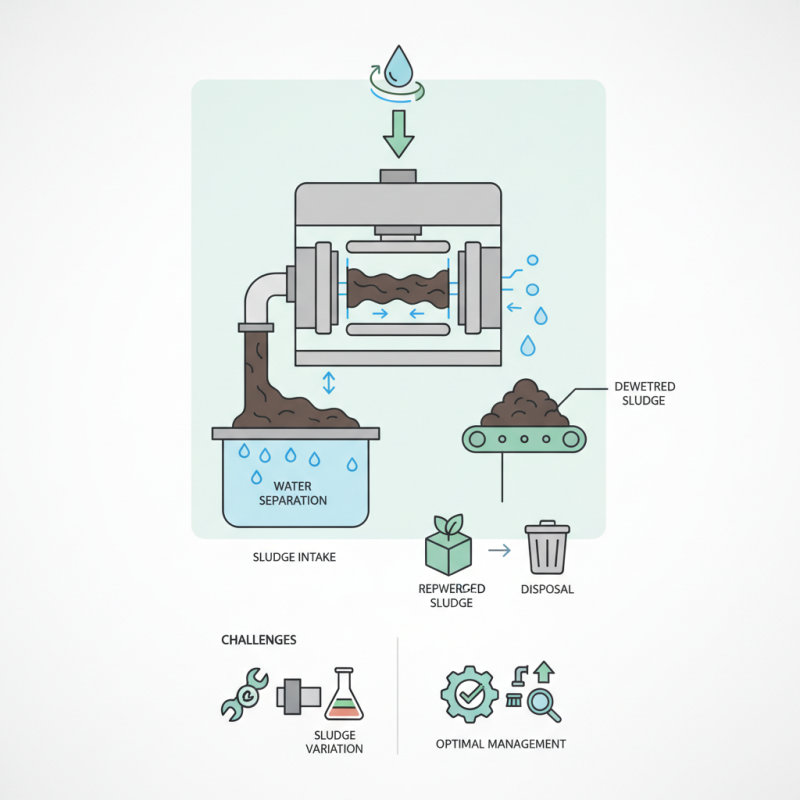
A Sludge Press is an essential tool in wastewater treatment. It plays a critical role in dewatering sludge, which is a byproduct of sewage treatment. This process reduces the volume of waste, making disposal easier and more efficient.
When sludge enters the Sludge Press, it undergoes mechanical pressure. This action separates water from the solid waste, resulting in considerably drier sludge. The dewatered material can then be repurposed or disposed of with less environmental impact. Each system varies, but many leverage hydraulics for optimal efficiency.
However, it’s important to recognize potential challenges. Maintenance is often required to avoid clogs and ensure smooth operation. Variations in sludge composition can also affect performance. Understanding these nuances can lead to better management practices in wastewater facilities.
What is a Sludge Press? A Comprehensive Overview
A sludge press is an essential piece of equipment used in waste management. It separates solids from liquids in slurry, which is common in various industries. The process begins when the slurry enters the press. This is typically done through a feed pump. Once inside, the sludge is compressed between two plates. The pressing action forces out the liquid, while retaining the solid material.
As the pressing continues, the moisture content of the sludge decreases. This transformation leads to a much denser cake of solids. The efficiency of the sludge press relies on several factors, such as the type of sludge and the pressure applied. However, not all presses operate flawlessly. Some may experience clogging issues or wear and tear over time. Regular maintenance is crucial to optimizing performance, yet it's often overlooked.
In many cases, operators underestimate the complexity of sludge handling. Proper training and understanding of the equipment can make a significant difference. Even small adjustments, like changing the feed rate, can drastically impact results. An inefficient setup might lead to increased costs and environmental concerns. Reflecting on these aspects can drive improvement in sludge management processes.
What is a Sludge Press and How Does It Work?
| Feature | Description |
| Definition | A sludge press is a mechanical device used to dewater sludge, reducing its volume and weight. |
| Purpose | To separate solids from liquids in wastewater treatment processes. |
| Types | Belt filter presses, membrane filter presses, and screw presses. |
| Working Principle | Sludge is fed into the press where it is compressed, allowing water to escape and solids to form a cake. |
| Applications | Used in municipal wastewater treatment plants, industrial processes, and agricultural applications. |
| Benefits | Reduces waste volume, lowers disposal costs, and can recover useful materials. |
| Maintenance | Regular inspection and cleaning of the press are required to ensure optimal performance. |
Principles of Operation: How a Sludge Press Functions
A sludge press is an essential tool in wastewater management. It helps to separate solid waste from liquids. Understanding how it works can provide insights into efficient waste treatment. A sludge press typically operates through a series of compartments. Wastewater enters, and pressure is applied to expel the liquid, leaving behind solid sludge.
The principles of operation are straightforward but effective. As the sludge enters the press, it is compressed between plates. This pressure forces the water out. The solid material is then collected and can be treated further or disposed of. This process reduces volume significantly, improving handling and storage.
Tips: Regular maintenance is crucial for a sludge press. Check for wear and tear to avoid downtime. Ensure proper alignment of the plates for maximum efficiency. Inadequate pressure can lead to poor separation. Always monitor the output quality of the sludge to ensure optimal performance.
Key Components of a Sludge Press and Their Roles
A sludge press is an essential piece of equipment in wastewater treatment. It helps to extract water from sludge, creating a more manageable solid waste. The core components of a sludge press include a feed system, a filtration mechanism, and a pressing chamber.
The feed system delivers the sludge into the machine. It often uses pumps to maintain a steady flow. A well-designed feed system can influence the efficiency of the entire process. Next is the filtration mechanism. It uses filters to separate solids from liquids. Filters need regular maintenance to operate effectively. Poor filtration can lead to incomplete separation and wasted resources.
The pressing chamber is where the actual dewatering happens. It applies pressure to the sludge, squeezing out excess water. Different designs may use varying levels of pressure, which can affect performance. Sometimes, the pressure applied may not be adequate, leading to inconsistencies in the output. Operators must be attentive to these details to optimize function. Each component plays a role in ensuring the sludge press functions correctly, but flaws can arise. Regular checks and calibrations are vital for better results.
Industry Applications: Where Sludge Presses Are Most Utilized
Sludge presses play a crucial role in various industries, particularly in wastewater management. Municipalities use these machines to dewater sewage sludge efficiently. The process reduces the volume of waste, making it easier to handle and dispose of. In industrial sectors, food and beverage manufacturers often deal with significant waste. A sludge press helps them manage this by separating liquid from solids. Efficient waste management can lead to cost savings and better environmental compliance.
In addition to wastewater treatment, sludge presses are vital in pulp and paper industries. They help manage sludges generated during the paper production process. Using a sludge press not only improves overall efficiency but also reduces water consumption. However, this technology has its challenges; maintenance can be time-consuming and costly. Operating a sludge press requires skilled personnel to ensure optimal performance. Regular oversight is essential to prevent operational failures and inefficiencies.
The oil and gas sector also benefits from sludge pressing. Drilling operations generate significant amounts of sludge that must be managed responsibly. The pressure to adhere to environmental regulations is high in this industry. A sludge press assists in meeting these requirements by minimizing waste. Yet, manufacturers must continually assess the effectiveness of their sludge management strategies. Finding the right balance can be difficult and requires ongoing evaluation.
Performance Metrics: Efficiency and Reduction Rates in Sludge Processing
In sludge processing, performance metrics are crucial. Efficiency and reduction rates determine the viability of treatment methods. A study from the Water Environment Federation noted that modern sludge presses achieve around 80% solids concentration. This reflects significant advancements in technology.
The reduction rate is another key metric, typically ranging from 50% to 85%. These figures highlight the variation based on sludge composition and press operational conditions. For instance, pilot studies indicated that rotary screw presses can reach up to 90% reduction in certain cases. However, these results are not uniform across all applications.
Operators often face challenges in achieving optimal performance. Variability in sludge characteristics can hinder efficiency. The process may require adjustments, complicating matters. Additionally, energy consumption remains an important consideration, often ranging between 1 to 3 kWh per ton of processed sludge. This underscores the need for ongoing evaluation of the methods used.
Sludge Processing Efficiency and Reduction Rates
This bar chart illustrates the efficiency of sludge processing before and after treatment, showcasing both the volume of sludge processed and the percentage reduction in total solids. The data reflects typical performance metrics observed in sludge presses, highlighting their effectiveness in waste management.