Essential Shoulder Rehab Equipment Tips for Effective Recovery?
Shoulder injuries are increasingly common, affecting millions worldwide. According to the American Academy of Orthopaedic Surgeons, over 7 million Americans seek medical treatment for shoulder pain annually. Effective recovery relies heavily on the right Shoulder Rehab Equipment. Proper tools can enhance rehabilitation outcomes and speed up recovery.
Research indicates that specialized equipment, like resistance bands and stability balls, plays a crucial role in shoulder rehabilitation. These tools not only assist in strengthening muscles but also improve flexibility. The National Institute of Health reports that tailored rehabilitation programs utilizing appropriate equipment can reduce recovery time by up to 30%. Yet, many individuals still overlook the importance of having the right tools.
Investing in quality Shoulder Rehab Equipment is vital, but it’s equally important to understand how to use it effectively. Poor technique can lead to setbacks in recovery. While affordable options exist, they may compromise quality. Striking a balance between cost and effectiveness requires reflection on individual needs. Identifying suitable equipment is just the beginning; using it correctly is essential for achieving optimal results.
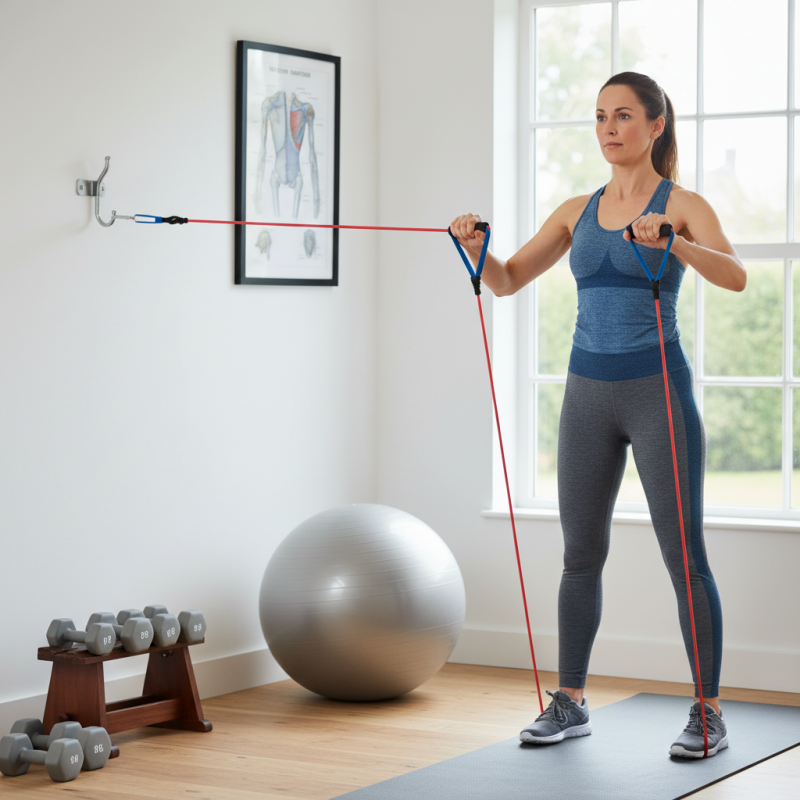
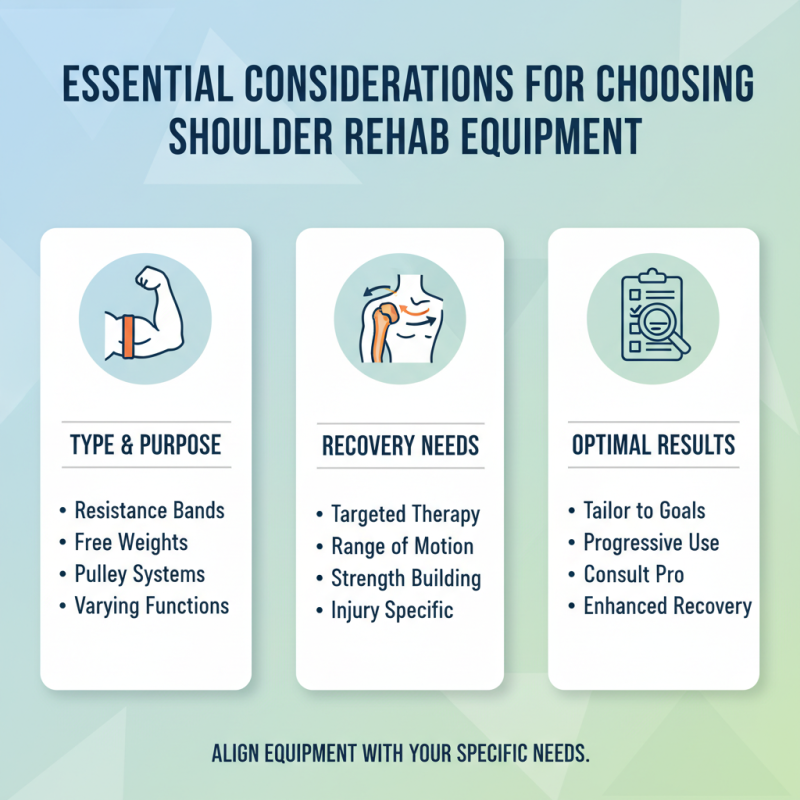
Essential Considerations for Choosing Shoulder Rehab Equipment
When selecting shoulder rehab equipment, consider several key factors. Type and purpose of exercise equipment can vary widely, including resistance bands, weights, and pulley systems. Each serves a unique function in the rehabilitation process. Choose tools that align with your specific recovery needs for better results.
Tips for effective recovery include ensuring the equipment is adjustable. An adjustable weight or band allows for gradual progression. Many people underestimate this aspect. Too often, they stick with a fixed setting that doesn't challenge them. Finding the right resistance can enhance muscle engagement during workouts.
Another important factor is comfort. Equipment should feel secure and not cause pain. Loose bands or hard grips can lead to discomfort. It's critical to test various options before making a decision. Strive to select what feels right for you, even if it takes time to find the perfect fit. Reflections on your experiences can guide these choices and make a significant difference.
Types of Equipment Commonly Used in Shoulder Rehabilitation
In shoulder rehabilitation, using the right equipment can significantly enhance the recovery process. Common types of equipment include resistance bands, free weights, and pulley systems. Each serves a unique purpose in rebuilding strength and flexibility. Resistance bands are especially versatile. They allow for gradual progression in exercises, accommodating various fitness levels.
Examining the use of free weights provides insight into their effectiveness. These weights help in building muscle strength. Opt for lighter weights initially to avoid overstraining the shoulder. Gradually increase the load as strength builds.
When using equipment, consider these tips. Always prioritize proper form over heavier weights to avoid injury. Consistency is key; a few minutes daily can lead to substantial improvement. Listen to your body. Pain signals need attention; don’t push through discomfort. Remember, effective rehabilitation is a patient journey.
Guidelines for Safe and Effective Use of Rehab Tools
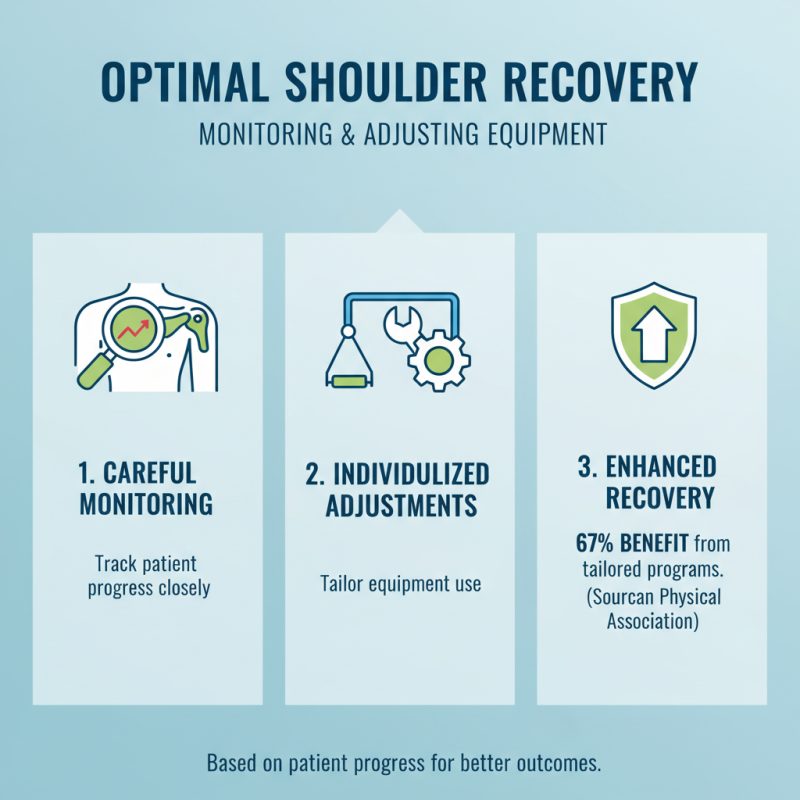
When it comes to shoulder rehabilitation, using the right tools is crucial. Rehabilitation tools can aid in recovery, but they must be used correctly. Always consult your healthcare provider before starting your rehab program. They can guide you on which tools to use for your specific condition. This ensures that you get the best results while avoiding further injury.
Before starting any exercise, check your equipment. Ensure that resistance bands are not frayed and weights are appropriate for your strength level. Use proper form to prevent strain. Maintain control during each movement. If a tool feels uncomfortable, it’s worth reassessing your approach. Adapt your exercises as necessary.
Listening to your body is vital. If you experience pain, stop immediately. Reflect on whether your technique or the chosen tools may be the problem. Sometimes, a tool that works for others may not work for you. Adjusting your method can lead to more effective recovery. Stay patient and consistent, as progress may be slow at times. Your journey to recovery is personal. Focus on what helps you heal best.
Essential Shoulder Rehab Equipment Tips for Effective Recovery
| Equipment Type |
Recommended Use |
Safety Tips |
Effectiveness |
| Resistance Bands |
Strengthening and stabilizing muscles |
Ensure bands are in good condition to prevent snapping |
High effectiveness for gradual strength training |
| Dumbbells |
Isolated shoulder exercises |
Start with lighter weights to avoid strain |
Very effective for muscle building |
| Foam Roller |
Pain relief and muscle relaxation |
Use with caution; avoid bony areas |
Highly effective for recovery |
| Shoulder Pulley |
Range of motion improvement |
Perform movements slowly to avoid injury |
Effective for regaining full mobility |
| Stability Ball |
Engagement of core and shoulder stabilizers |
Ensure stability to prevent falls |
Good for overall stability and strength |
Incorporating Strength and Flexibility Exercises into Rehab Routines
Incorporating strength and flexibility exercises into shoulder rehab routines is vital for effective recovery. A study published in the Journal of Orthopaedic & Sports Physical Therapy found that patients who combined strength training with flexibility work showed 30% faster recovery times compared to those who focused solely on one approach. Strengthening muscles around the shoulder helps stabilize the joint, reducing the risk of re-injury.
Flexibility exercises, such as stretching, play a crucial role in the rehabilitation process. They improve the range of motion and decrease stiffness. Research by the American Physical Therapy Association indicates that consistent stretching can enhance flexibility by up to 40%, which is essential for performing daily tasks without pain. Simple bands or light weights can be adjusted to individual levels, making them accessible for many rehab patients.
However, it's important to not rush through these exercises. Pushing too hard can lead to setbacks. Monitoring pain levels and modifying routines as needed is key. Practicing patience during recovery can boost long-term results, reinforcing the body's ability to heal and strengthen effectively. Before starting any routine, consultation with a healthcare professional is advised to tailor an appropriate program.