What is Red Light Machine and How Does It Work?
The "Red Light Machine" has garnered significant attention in recent years for its potential therapeutic benefits. According to a report from the *Journal of Photomedicine*, red light therapy may enhance tissue repair and reduce inflammation. Industry experts believe that this technology could revolutionize healing practices. Dr. Laura Mayo, a leading researcher in phototherapy, states, "The efficacy of red light therapy is supported by increasing clinical evidence."
Incorporating red light into medical treatments offers exciting possibilities. This device emits light wavelengths that penetrate the skin, promoting cellular activity. Studies suggest that regular use of a Red Light Machine can improve skin health and accelerate muscle recovery. As with any emerging technology, there are areas for improvement. Some users may experience varying results, indicating a need for more extensive studies.
Though the science is promising, it is essential to approach red light therapy with caution. Not everyone responds the same way, and ongoing research is critical. Industry leaders advocate for continued exploration of this technology to establish best practices and optimal usage guidelines. As we advance, the journey of the Red Light Machine invites both enthusiasm and critical evaluation.
What is Red Light Therapy and Its Origins in Photobiomodulation?
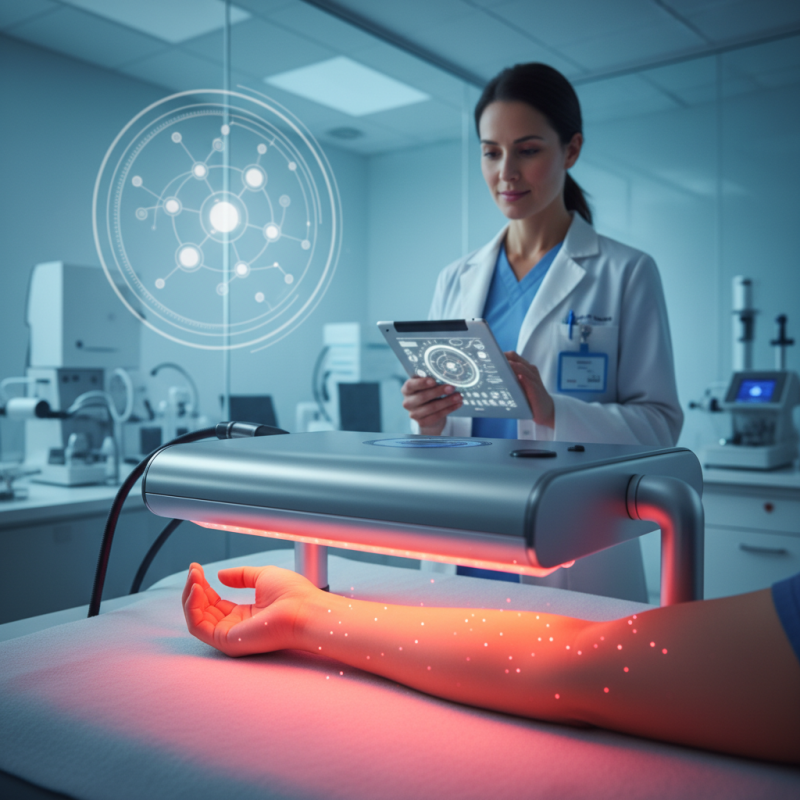
Red light therapy is rooted in photobiomodulation, a scientific process that uses specific wavelengths of light. This therapy harnesses red and near-infrared light to stimulate cellular activity. The visible red light penetrates the skin, impacting cells at a foundational level. It encourages energy production within cells, which can enhance healing and reduce inflammation.
The origins of red light therapy date back to the early 20th century. Researchers discovered that light could influence cell behavior and growth. Over time, advancements in technology have refined these methods. Today, it's recognized for various potential benefits, including pain relief and skin rejuvenation. Some studies suggest it may aid in wound healing and reduce acne. However, results can vary significantly among individuals.
Despite its promise, red light therapy isn't universally endorsed. Some critics question the extent of benefits. Others express concerns about long-term effects. It's essential to approach this therapy with a thoughtful mindset. Consulting with healthcare professionals can provide valuable insights and guidance tailored to individual needs.
Mechanism of Action: How Red Light Affects Cellular Function
Red light therapy uses specific wavelengths of light to influence cellular processes. This non-invasive approach aims to enhance cellular function. The key mechanism lies in how red light penetrates the skin, reaching the mitochondria, the powerhouse of cells. By stimulating these organelles, red light increases adenosine triphosphate (ATP) production. Higher ATP levels boost energy availability for cells, leading to improved performance and recovery.
Research indicates that red light can also modulate inflammation. It activates various signaling pathways that reduce oxidative stress. This action may promote healing and cell regeneration. However, results can vary from person to person. Not everyone responds to red light therapy in the same way. Variations in skin type, health conditions, or treatment duration might lead to different outcomes.
Additionally, while many studies support the benefits of red light, some findings are inconclusive. The optimal wavelengths and exposure times remain debated among experts. Understanding these nuances is crucial for those considering red light therapy for health purposes. Not every claim can be universally applied. Each individual's response to treatment requires careful consideration and further exploration.
Effects of Red Light Therapy on Cellular Function
The following bar chart illustrates the effects of red light therapy on different cellular functions based on various studies. The data represents the percentage increase in cellular activity observed after red light exposure.
Clinical Applications: Treatment of Skin Conditions and Pain Relief
Red Light Therapy has gained attention for its clinical applications, particularly in treating skin conditions and pain relief. This therapy uses specific wavelengths of red light to penetrate the skin, promoting healing at a cellular level. It can stimulate collagen production, reduce inflammation, and improve circulation. Many patients report visible improvements in skin texture and tone after several sessions.
Skin conditions like acne, eczema, and psoriasis may benefit from this therapeutic approach. Red light targets the underlying causes of these issues, offering a non-invasive alternative to traditional treatments. However, results can vary. Some may not see immediate changes and could require ongoing treatments to maintain benefits.
In terms of pain relief, this therapy can help alleviate chronic pain, joint inflammation, and muscle soreness. The light penetrates tissues to enhance recovery, making it appealing for athletes and those with chronic conditions. Yet, it might not work for everyone. Individuals may experience different levels of efficacy, prompting further research into optimal treatment protocols. Each case should be evaluated to determine the best approach.
What is Red Light Machine and How Does It Work? - Clinical Applications: Treatment of Skin Conditions and Pain Relief
| Application | Mechanism | Benefits | Conditions Treated |
| Skin Rejuvenation | Stimulates collagen production | Improves skin texture and tone | Wrinkles, Fine Lines |
| Wound Healing | Enhances cellular repair | Speeds up recovery | Surgical wounds, Ulcers |
| Pain Relief | Reduces inflammation | Alleviates chronic pain | Arthritis, Muscle strains |
| Acne Treatment | Kills acne-causing bacteria | Reduces outbreaks | Acne, Oily skin |
| Hair Restoration | Stimulates hair follicles | Promotes hair growth | Alopecia, Thinning hair |
Scientific Evidence: Examining Research on Efficacy and Safety
Red light therapy, often referred to as a red light machine, has gained popularity in recent years. The scientific community continues to explore its potential benefits for health and wellness. Research highlights its ability to enhance skin health, reduce inflammation, and promote healing. Studies indicate positive outcomes in skin conditions like acne and psoriasis, showcasing its efficacy in dermatological applications.
However, while the evidence is emerging, it's important to approach claims with a critical eye. Some studies have small sample sizes. Results can vary among individuals. In addition, more extensive research is necessary to fully understand long-term effects and safety. Side effects are often mild but can include temporary redness or irritation.
Understanding these aspects helps consumers make informed decisions about using red light machines. Engaging with a healthcare professional before starting any new treatment is advisable. This ensures that the therapy aligns with individual health needs and conditions. The ongoing investigation into red light therapy shows promise, but caution and reflection remain essential.
Potential Side Effects and Considerations for Red Light Therapy Usage
Red light therapy offers several potential benefits but is not without its considerations. Users may experience minor side effects, such as eye strain or temporary redness on the skin. These effects are generally mild and often resolve quickly. However, understanding individual sensitivity is crucial. Some people may react differently during treatment, leading to unexpected discomfort. Reflecting on personal experiences can help gauge what works best.
Before starting any red light therapy, consulting a healthcare professional is wise. They can assess your specific health condition and guide usage. Pregnant women or those with photosensitivity should approach this therapy cautiously. It’s important to balance the pursuit of benefits against potential risks. Listening to your body during sessions can provide insight—adjusting distance or duration may enhance comfort.
Long-term effects of red light therapy remain a topic of research. While many report positive experiences, evidence is still growing. Be mindful of individual variations, as outcomes can differ widely. Keeping a journal of your treatment journey may highlight patterns in your response. This reflection can be a valuable tool for optimizing your experience.
