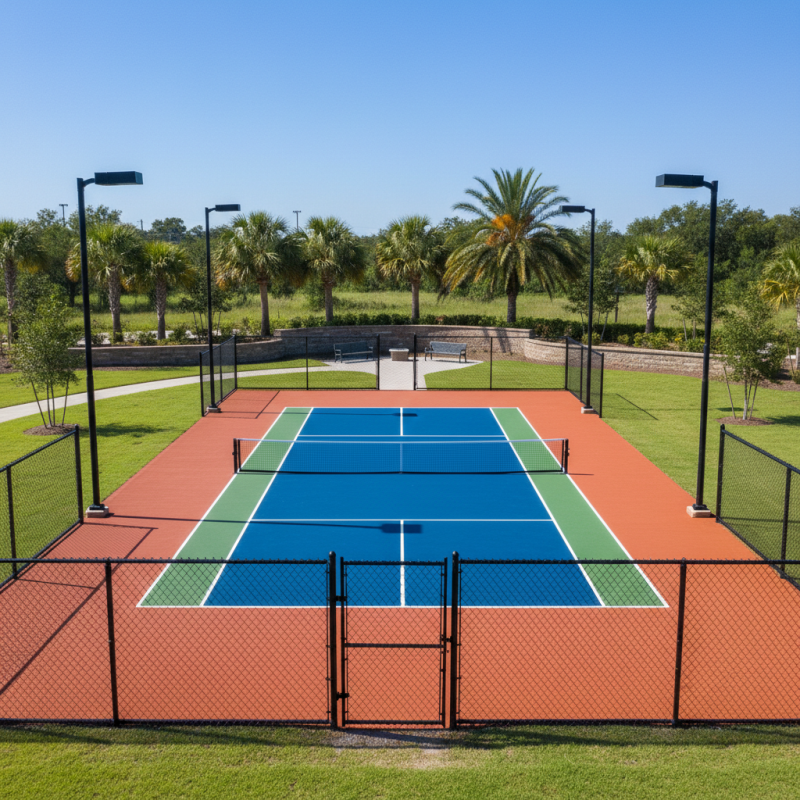
What is a Pickleball Sports Court and How to Build One?
Building a pickleball sports court can be an exciting project. It offers a way to enjoy this rapidly growing sport. Whether you are a novice or an experienced player, having your own court can enhance your game and social life.
A well-designed pickleball sports court requires careful planning. The right dimensions and surface materials are crucial. You might consider style and durability when selecting these materials. Many fail to realize the importance of proper drainage and lighting features. These elements significantly impact the playability and longevity of the court.
While you may encounter challenges during construction, each step teaches valuable lessons. Embrace the learning process and seek advice from experienced builders. Often, the best insights come from those who have faced similar hurdles. Understanding these nuances can make your pickleball sports court a source of pride for years to come.
What is Pickleball and Why is it Popular?
Pickleball is rapidly gaining popularity among all age groups. It combines elements of tennis, badminton, and ping-pong, making it unique and engaging. The game can be played both indoors and outdoors, which contributes to its accessibility. Players appreciate its social aspect, too. Friends and families come together to enjoy the game.
Tips for beginners: Start by mastering the basic rules. Focus on your footwork and positioning on the court. This will help you respond better to your opponents. Practice your serve; a good serve can set the tone for the game.
The simplicity of pickleball is another reason for its appeal. The equipment is minimal—just paddles and a ball. The game can be played on various surfaces, including driveways and sidewalks. Despite its simple setup, players often find themselves facing challenges. Improving skills takes time and practice, which can be frustrating.
For those looking to improve, consistent practice is key. Join a local pickleball group. Play with more experienced players to enhance your skills. Remember, every player has moments of struggle. Embracing these challenges leads to growth.
Understanding the Dimensions and Requirements of a Pickleball Court
When considering building a pickleball court, understanding its dimensions and requirements is crucial. An official pickleball court measures 20 feet wide and 44 feet long for doubles play. The recommended surface should provide good traction and be slightly cushioned to reduce injuries. A minimum of 10 feet of clear space surrounds the court to ensure player safety and mobility.
It's essential to choose the right materials. Acrylic surfaces are popular due to their durability and weather resistance. According to industry reports, a well-constructed court can increase community engagement, fostering a vibrant sports culture and attracting a diverse range of players.
Tips: Remember to check local zoning laws before starting your project. Be aware of potential noise ordinances as well. Proper maintenance of the court will extend its lifespan and ensure safety. Regularly inspect the surface for any cracks or wear. Also, consider installing proper lighting for evening play.
In summary, building a pickleball court involves careful planning and consideration of space, materials, and community needs. Understanding these requirements can lead to a functional and enjoyable space for all players involved.
Materials Needed for Building a Pickleball Sports Court
Building a pickleball sports court requires careful selection of materials. The right surface can significantly affect play quality. Many reports suggest that textured acrylic coatings provide excellent traction and smooth ball bounce. This texture helps reduce injuries while enhancing performance. Players experience less fatigue on such surfaces.
The base layer is equally important. A solid foundation typically consists of concrete or asphalt. According to industry studies, a well-constructed base minimizes surface cracks and prolongs the court's lifespan. Some experts recommend using rubberized mats in certain climates. They help absorb shock and cater to players looking for extra comfort.
Fencing around the court is another vital material. It keeps the ball in play and protects spectators. The recommended height is around 10 feet. This height prevents balls from flying out while still allowing visibility. Lights can also enhance usability, especially for evening games. Players often appreciate the ability to play night matches, promoting more engagement.
Careful selection of these materials not only affects the playing experience but also the maintenance required over time. Reflecting on this, each decision significantly impacts the court's effectiveness.
Step-by-Step Guide to Constructing Your Own Pickleball Court
Constructing your own pickleball court can be an exciting project. It provides a dedicated space for practice and play. Start by selecting a level area. Aim for a space of about 20 by 44 feet, which is the standard size for a pickleball court.
Next, prepare the surface. A concrete slab is often the best option. It offers durability and a uniform playing field. Make sure to smooth out any imperfections. After this, paint the court lines using the standard dimensions. The net height is crucial. Ensure it is set at 36 inches at the center and 34 inches at the sidelines.
Consider weather conditions when planning your court. If you live in a windy area, you might need windbreaks. Reflect on your local landscape. Trees and other structures can obstruct play. Assess your design and layout; adjustments may be necessary. Building a pickleball court is rewarding but can also be challenging. Maintain realistic expectations, and remember that learning from mistakes is part of the process.
What is a Pickleball Sports Court and How to Build One? - Step-by-Step Guide to Constructing Your Own Pickleball Court
| Dimension | Measurement | Surface Material | Construction Cost (Estimated) |
| Court Length | 44 feet | Acrylic | $10,000 - $30,000 |
| Court Width | 20 feet | Concrete | $15,000 - $25,000 |
| Net Height | 36 inches | Grass | $5,000 - $15,000 |
| Zone Lines Marking | Rectangular area | Tile | $1,000 - $3,000 |
| Total Area | 880 sq ft | Mixed Surface | $20,000 - $60,000 |
Maintenance Tips for Keeping Your Pickleball Court in Good Condition
Maintaining a pickleball court requires attention to detail and a consistent effort. Regular inspections can help identify issues early. The World Pickleball Association suggests a maintenance schedule every month. Checking for surface cracks is crucial. Even minor issues can lead to costly repairs if ignored.
Cleaning the court regularly keeps it in top condition. A simple power washing can remove dirt and debris. This should be done every few months, especially in high-traffic areas. Keeping the lines clear and visible is also essential. Research shows that well-maintained courts can enhance player performance and safety.
Weather conditions can impact maintenance needs. In regions with heavy rain or snow, surfaces may wear down faster. This requires a more proactive approach to upkeep. Some courts may need extra sealing or resurfacing every couple of years. Listening to player feedback can provide valuable insights into surface quality. Regular maintenance reflects commitment to the sport and community.