What is a Neuro Surgical Drill and How Does it Work?
The neuro surgical drill is a critical tool in modern neurosurgery. This device allows surgeons to access the brain with precision. According to a 2022 report from the World Health Organization, neurosurgery has seen a significant rise in procedures, with estimates showing over 10 million surgeries performed annually worldwide. Dr. Emily Khan, a leading expert in the field, states, "The neuro surgical drill revolutionizes how we approach brain surgery, enhancing safety and accuracy."
Neuro surgical drills are designed to minimize damage to surrounding tissues. These drills can operate at various speeds and angles, which is vital during complex procedures. The precision they offer can improve patient outcomes remarkably. Nevertheless, the technology is not without its challenges. Improper use can lead to complications, such as infection or brain injury. The need for ongoing training and assessment is crucial in this evolving field.
As technology advances, the neuro surgical drill will continue to adapt. The development of new materials and design improvements could further enhance its effectiveness. Yet, surgeons must remain vigilant about its limitations. Understanding the intricacies of this tool, along with ongoing education, is essential for success in neurosurgery.
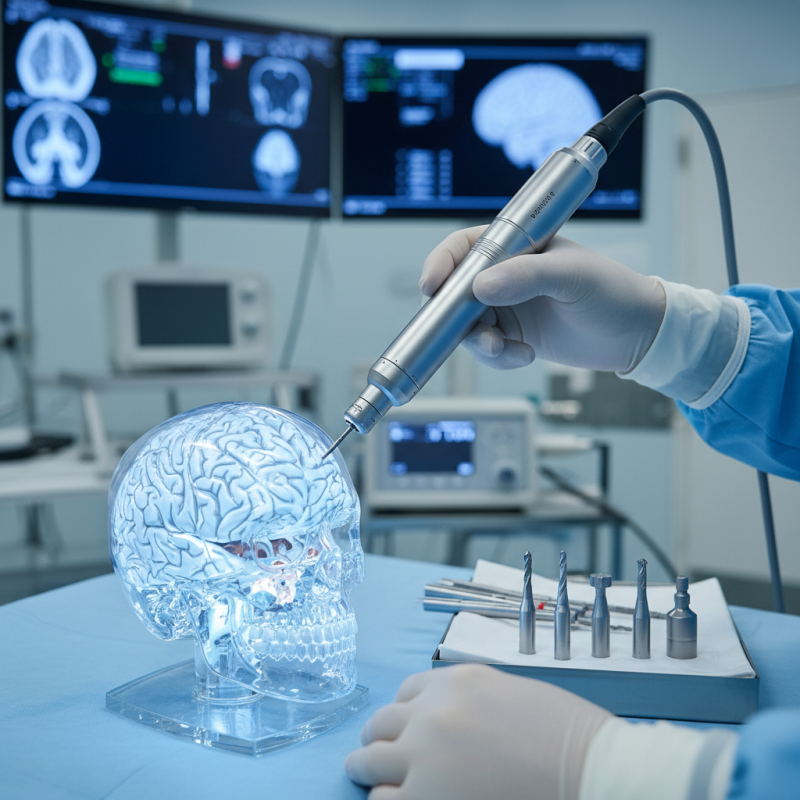
What is a Neuro Surgical Drill?
A neuro surgical drill is a specialized tool used in brain surgeries. It plays a crucial role in neurosurgery, allowing surgeons to create precise holes in the skull. This process is essential for accessing the brain and carrying out various procedures. According to recent industry data, the global neuro surgical devices market is projected to reach over $11 billion by 2025. Demand continues to rise, driven by advancements in technology.
The drill operates with high-speed rotation, enabling efficient bone removal. It often features suction to clear debris during surgery. However, it requires careful handling. Surgeons must maintain accuracy to avoid damaging surrounding tissues. Reports indicate a learning curve associated with mastering these tools, emphasizing the need for ongoing training. The complexity of brain anatomy makes this precision critical.
Despite its effectiveness, challenges remain. The potential for complications exists, especially in delicate cases. Surgeons must consider multiple factors, such as patient health and drill settings. Studies suggest that even minor errors in drilling can lead to significant consequences. This highlights the importance of practice and skill in utilizing a neuro surgical drill effectively.
Key Components of a Neuro Surgical Drill
Neuro surgical drills are specialized tools used in brain surgeries. Their design consists of several key components crucial for precision and safety. A drill typically includes the casing, motor, and a variety of drill bits. These components work together to create the high-speed rotation needed for cutting through bone.
The casing is often made of lightweight, durable materials. It protects both the internal structure and the patient during surgery. A powerful motor drives the drill, usually operating at speeds exceeding 40,000 RPM. This allows for efficient removal of bone with minimal heat generation, reducing the risk of tissue damage. Various drill bits are available, each tailored for specific types of surgeries. Studies show that choosing the right bit can significantly impact the outcome.
Despite advancements, challenges remain. Surgeons often face difficulties in maintaining the right angle during procedures. Poor positioning can lead to complications. Recent reports indicate that misalignment can affect up to 18% of surgeries. Continuous improvement in drill design and ergonomic studies is crucial. Creating user-friendly tools that enhance precision will ultimately improve patient outcomes.
How Neuro Surgical Drills Function During Surgery
Neuro surgical drills are vital tools in modern neurosurgery. These specialized instruments help surgeons access the brain safely. During complex procedures, precision is crucial. The drill creates clean and controlled openings in the skull. According to a report by the World Health Organization, complications from neurosurgery can affect up to 15% of patients. This emphasizes the significance of using advanced tools.
The function of neuro surgical drills involves various mechanisms. Many use a rotating tip to penetrate bone. Some models incorporate suction systems to remove debris. This maintains a clear view of the surgical field. Recent studies show that these drills can reduce operation times by up to 30%. This efficiency is essential in life-saving surgeries.
However, there are challenges. Surgeons must be skilled in handling these devices. Incorrect usage can lead to complications. Moreover, not all drills are suitable for every procedure. Factors like bone density can influence a drill's performance. Continuous training is necessary for surgical teams to refine their skills. Through practice, they can improve outcomes for patients.
Neuro Surgical Drill Operation Time by Type
Safety Features and Precautions in Neuro Surgery
Neurosurgery is a complex field that demands precision and safety. The tools used, like neuro surgical drills, play a critical role. These drills are designed to minimize trauma while allowing surgeons to reach specific areas of the brain. However, with such tools come inherent risks. Safety features in these drills aim to protect both the patient and the surgeon from potential mishaps.
One important aspect is the drill's built-in sensors. These sensors help prevent overheating and over-penetration. They alert the surgeon when the pressure exceeds safe levels. Despite these advancements, failures can occur. It’s crucial for surgical teams to remain vigilant and double-check equipment functionalities. Regular maintenance of these tools can prevent unintended injuries.
Precautionary measures extend beyond the drill itself. Surgeons must be well-trained and familiar with the intricacies of the device. They should continuously enhance their skills and knowledge. Even with the best equipment, mistakes can happen. Reflecting on past surgeries can provide insights for improvement. Safety in neurosurgery must be a priority, ensuring every step is taken to safeguard patients.
What is a Neuro Surgical Drill and How Does it Work?
| Feature | Description | Importance |
| Drill Type | High-speed electrical drill | Allows precise cutting of bone with minimal damage to surrounding tissue. |
| Speed Control | Variable speed settings | Helps in adapting to various surgical requirements and preventing overheating. |
| Safety Mechanism | Automatic shut-off | Prevents accidents in case of unintended use or malfunction. |
| Cooling System | Integrated irrigation function | Reduces heat generation during drilling, protecting brain tissue. |
| Ergonomics | Lightweight design | Enhances surgeon comfort and reduces fatigue during prolonged procedures. |
Advancements in Neuro Surgical Drill Technology
Neuro surgical drills have seen significant advancements in recent years, enhancing precision and safety in operations. Modern models utilize advanced imaging techniques, allowing surgeons to target specific brain areas more accurately. According to a report from the Neurotechnology Industry Organization, the global market for neuro surgical tools is projected to grow by 10% annually. This surge reflects the increasing demand for minimally invasive procedures and improved patient outcomes.
These drills often incorporate smart technology, featuring real-time feedback systems. Surgeons can receive continuous updates on the drill's position and angle, minimizing the risk of complications. This approach not only increases procedure efficiency but also reduces recovery time for patients. However, the rapid evolution of technology poses challenges. Surgeons must continuously adapt and train to keep up with new tools. Continuous education is critical.
Tip: Always prioritize hands-on training. New tools may look impressive, but effective operation comes from practice. Embrace simulation experiences to understand potential pitfalls. Another tip is to stay updated with the latest research and advancements to ensure the best care for patients. The integration of this technology provides exciting opportunities, yet it requires careful consideration of its limitations and ongoing training.
