Top Capsule Machine Manufacturers for Global Buyers
Choosing a Capsule Machine is not simply a matter of comparing speed claims or catalog prices. Global buyers need equipment that fits their product, production volume, facility, and service expectations. A machine may look impressive in a showroom, yet perform differently with real materials, operators, and shift schedules. Details matter. Ask how changeovers work, what routine maintenance requires, and which spare parts are available locally. Request a demonstration using representative materials, where practical. Then review the results, not just the sales presentation.
Lean manufacturing pioneer Taiichi Ohno wrote, “Without standards, there can be no improvement.” That principle offers a useful lens for evaluating capsule equipment: examine documented operating procedures, repeatability, and quality checks. This guide introduces manufacturers serving international buyers and considers factors such as machine range, customization, technical support, and delivery capability. It also encourages buyers to verify claims directly, since specifications alone cannot reveal every production challenge. No supplier is perfect. Service response may vary by region, and a machine suited to one factory may be a poor fit elsewhere. That is worth reflecting on. A careful shortlist should include clear questions, realistic production needs, and evidence that the supplier can support the equipment after installation.
Capsule Machines: Purpose, Main Types, and Common Applications
Top Capsule Machine Manufacturers for Global Buyers
Capsule Machines: Purpose, Main Types, and Common Applications
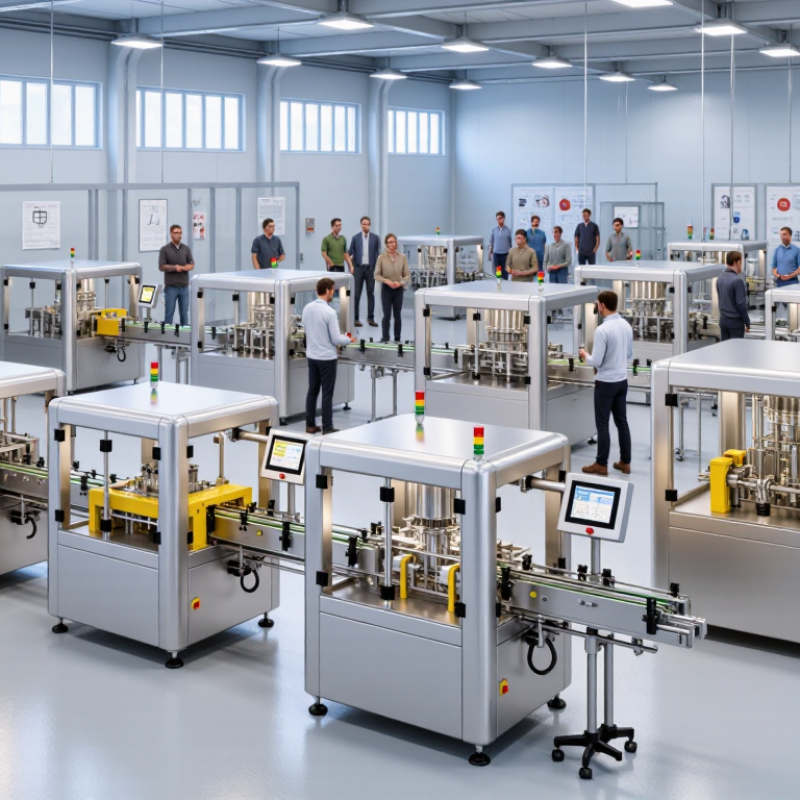
Capsule machines form, fill, and sometimes close dosage shells with measured contents. Hard-capsule fillers handle powders, granules, or pellets; softgel lines form and seal liquid-filled shells. Options range from hand-operated units for small batches to automated lines with dosing and inspection controls. Common applications include pharmaceutical production, nutrition supplements, and laboratory or pilot runs.
Production scale matters. IQVIA’s 2024 report, The Global Use of Medicines 2024, projected worldwide medicine spending above US$2.3 trillion by 2028. This is not a capsule-machine market estimate, but it shows the scale of manufacturing and quality control required. Compare output, changeover time, fill-weight consistency, cleaning access, and compatibility with the intended shell and formulation. Faster is not always better.
Tips: Test your actual powder or pellets on a sample machine. Check for hopper bridging, dust near dosing stations, and capsule splits after ejection. Request documented test results and clear cleaning instructions. Small details matter. Specifications can mislead; real materials behave differently. Even good equipment needs trained operators, validated processes, and regular maintenance. This part is easy to underestimate.
How Capsule Filling and Production Technologies Differ
Capsule filling machines differ mainly in how they measure and transfer each dose. Tamping-pin systems compress powder into plugs before placing them in hard-shell capsules. Dosator systems use a hollow tube to collect and release a measured dose. The best fit depends on powder flow, formulation density, and fill-weight targets. Pellets may need gentler handling. Softgel production is different: it forms, fills, and seals two gelatin ribbons in one process. These systems need close control of ribbon thickness, temperature, and sealing pressure.
Production speed is only part of the comparison. Intermittent machines can suit smaller batches and frequent product changes; continuous systems may support higher output but require careful setup and monitoring. Grand View Research estimated the global capsule market at USD 2.16 billion in 2023, with projected annual growth of 7.2% from 2024 to 2030. That market estimate signals demand, not a guaranteed return on faster machinery. Buyers should also compare cleaning time, changeover needs, and in-process weight checks. Small details matter. Published market figures rarely show how a machine performs with a buyer’s actual blend.
Tips: Request a trial using your formulation. Check fill-weight variation, capsule damage, and cleaning time—not just the quoted hourly output. Record the results. A trial can still miss production-floor complications, so leave room for reassessment.
Leading Capsule Machine Manufacturers and Their Global Markets
Capsule machine manufacturers serve very different buyers across regional markets. Established pharmaceutical hubs often prioritize high-speed output, validated process controls, and nearby service technicians. Smaller plants may value compact equipment, flexible changeovers, and clear operator training more than maximum throughput. That trade-off matters. A machine that looks efficient on paper can lose value when spare parts take weeks to arrive. Export-focused suppliers therefore compete on documentation, remote support, and practical installation planning, not just speed. Markets in Asia, Europe, and the Americas do not share identical purchasing priorities. Local voltage, plant layouts, workforce skills, and quality-system expectations can shape equipment specifications. These differences are easy to underestimate.
Buyers comparing manufacturers should request test records, material specifications, and a clearly defined acceptance run. They should also confirm whether tooling and maintenance support will remain available after installation. A factory visit can reveal details a brochure misses: operating noise, access to guards, cleaning time, and operator reach. Useful evidence. Yet no single checklist fits every site; even experienced teams sometimes discover a mismatch after delivery. Manufacturers with regional service partners may help reduce downtime, though response times should be confirmed in writing. Price still matters, but lifecycle costs are less tidy than many comparisons suggest. A low purchase price can prove a false economy.
How Buyers Can Compare Manufacturers and Machine Specifications
When comparing capsule machine manufacturers, start with the batch you actually plan to run. A quoted speed may describe an ideal setup, not steady production. Ask for output data using your capsule size, formulation, and target fill weight. Check documented fill-weight variation, rejected capsules, and changeover time—not just capsules per hour.
PMMI’s 2023 State of the Industry report estimated U.S. packaging machinery shipments at about $10.2 billion in 2022, showing a substantial equipment market. That figure covers packaging machinery broadly, not capsule fillers alone. Still, it highlights why buyers should compare service capacity alongside machine specifications. Request details on operator training, spare-parts lead times, and remote or onsite support.
Numbers need context. Compare dosing options, tooling costs, cleaning access, dust control, and the time required to switch formats. Ask whether the manufacturer can demonstrate the proposed configuration and provide test records, operating manuals, and maintenance schedules. Check how performance changes during a longer run; a short factory test can miss practical delays. A neat comparison sheet may still leave gaps, so record assumptions and verify them during acceptance testing.
