
What is a High Frequency Power Transformer and Its Uses?
high frequency power transformers play a crucial role in modern electrical systems. They convert electrical energy efficiently, using high-frequency signals. These transformers are essential in various applications, including telecommunications, power supplies, and renewable energy systems.
The design of a high frequency power transformer focuses on minimizing losses. This is achieved by using advanced materials and designs that optimize performance. Many industries rely on these transformers for their ability to operate at higher efficiencies compared to traditional transformers.
Yet, their implementation isn't without challenges. Issues like thermal management and electromagnetic interference can arise. Understanding these aspects is vital for engineers and designers to ensure reliability. Exploring the uses of high frequency power transformers reveals their importance as technology continues to evolve.
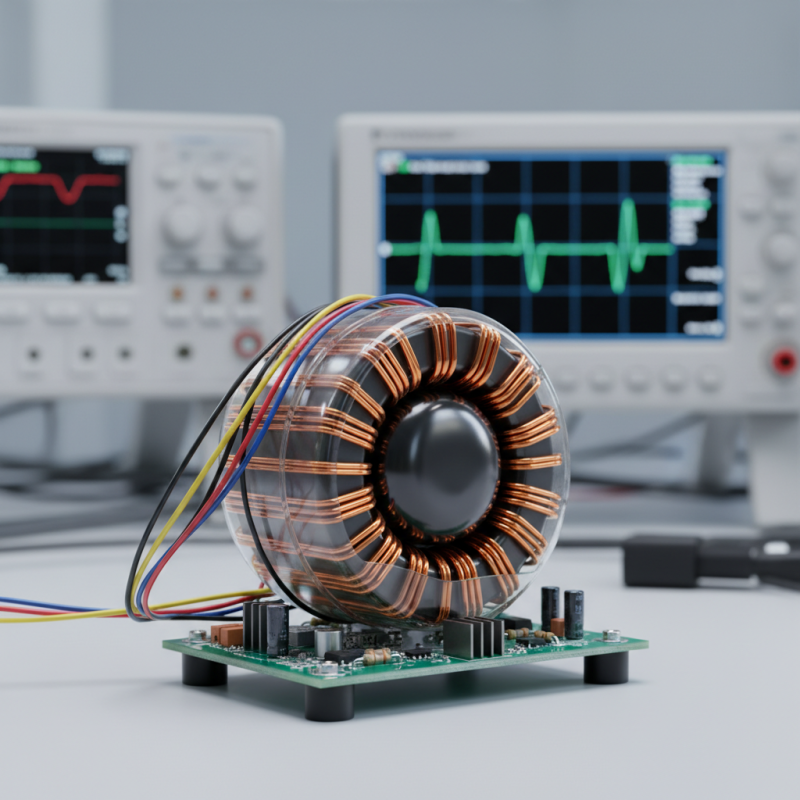
Definition of High Frequency Power Transformer
A high-frequency power transformer is a crucial device in modern electrical engineering. It operates effectively in a frequency range above 20 kHz, unlike traditional transformers. These transformers are designed to transfer electrical energy between circuits while minimizing energy losses. They are compact and lightweight, making them suitable for various applications in the industry.
High-frequency power transformers find extensive use in switch-mode power supplies, radio frequency applications, and electric vehicles. Their ability to handle higher frequencies allows for improved efficiency and reduced size of electronic devices. This aspect can be particularly important in sectors like telecommunications tech, where space is limited. However, manufacturing high-frequency transformers is complex and requires precise engineering.
Many engineers grapple with the challenges of design, insulation, and heat management in these transformers. Proper knowledge in core materials and winding techniques is essential to optimize performance. Continuous learning and innovation are necessary to address these technical hurdles. The evolving landscape of technology demands constant reflection and adaptation from professionals in the field. High-frequency power transformers exemplify both the potential and the challenges of modern electrical engineering.
Construction and Design of High Frequency Power Transformers
High frequency power transformers are crucial in modern electrical applications. Their design focuses on efficiency and minimizes losses at elevated frequencies. Unlike standard transformers, high frequency variants utilize smaller cores made from advanced materials. These materials often include ferrite, which enhances performance while reducing weight and size.
The construction of these transformers requires precision. Windings are generally spaced apart to limit capacitive coupling between turns. This spacing helps to manage heat and overall efficiency. Insulation is also vital, as it affects the operational lifespan. Engineers often face challenges in balancing these design elements. It’s not uncommon to revisit designs multiple times in pursuit of optimal performance.
High frequency power transformers serve various functions, especially in RF transmission and power supplies for electronic devices. They enable compact designs in equipment while providing effective voltage regulation. However, their development can be iterative, requiring adjustments based on testing results. Ensuring reliability is paramount; even minor design flaws can lead to significant inefficiencies.
What is a High Frequency Power Transformer and Its Uses? - Construction and Design of High Frequency Power Transformers
| Parameter | Description |
|---|---|
| Frequency Range | Typically 20 kHz to 1 MHz |
| Core Material | Ferrite or laminated silicon steel |
| Winding Type | Litz wire or thin enameled wire |
| Cooling Method | Air-cooled or oil-immersed |
| Applications | Switching power supplies, RF amplifiers, induction heating |
| Efficiency | Generally above 90% |
| Weight | Lightweight due to compact design |
| Size | Compact, designed for space-saving |
Applications of High Frequency Power Transformers in Various Industries
High frequency power transformers play a crucial role in various industries, from telecommunications to renewable energy. Their ability to efficiently transfer power at higher frequencies makes them suitable for applications such as power supplies for RF amplifiers and inverters. According to a report by MarketsandMarkets, the global high-frequency transformer market is projected to reach $1.1 billion by 2025, indicating a growing demand across sectors.
In the industrial realm, high frequency transformers are integral in medical equipment and industrial automation. They ensure that devices operate smoothly, improving efficiency and reducing energy loss. For instance, in medical technology, precision and reliability are paramount. These transformers help maintain clean signals for imaging equipment, which is vital for accurate diagnostics.
Tips: Regular maintenance of transformers is essential. Inspect connections and insulation periodically. Such checks can prevent unexpected failures.
In the renewable energy sector, these transformers support solar inverters and energy storage systems. They facilitate the conversion of DC to AC, making solar energy usable for households. However, there can be challenges. For example, high frequency transformers may suffer reduced lifespan if not adequately cooled. Proper thermal management is crucial for longevity and reliability.
Advantages of Using High Frequency Power Transformers
High-frequency power transformers offer significant advantages in various applications, including renewable energy systems, electric vehicles, and telecommunications. One notable benefit is their compact design. These transformers operate at higher frequencies, which allows for reduced core size and weight. For instance, a high-frequency transformer can be up to 80% lighter than traditional transformers of similar power ratings. This makes handling and installation much easier.
Another advantage is improved efficiency. High-frequency transformers have lower losses due to their design and materials. According to industry reports, they can achieve efficiencies over 95%, minimizing energy waste. This efficiency is crucial for applications like solar inverters, where maintaining power conversion efficiency directly impacts the overall system performance.
However, with these benefits come challenges. High-frequency transformers require precise design and engineering to manage electromagnetic interference and thermal management. This complexity can lead to higher initial costs and requires skilled professionals for proper implementation. In some cases, improper design can lead to reduced reliability. Thus, while high-frequency transformers provide numerous advantages, careful consideration and expertise are essential for optimal performance.
Challenges and Considerations in High Frequency Transformer Design
Designing a high frequency power transformer presents unique challenges. High frequencies can lead to increased losses due to eddy currents and hysteresis. Engineers must carefully select core materials to minimize these losses. Ferrite cores are often preferred, as they have lower losses at high frequencies. However, they can be more brittle and harder to work with.
Another challenge lies in insulation. High frequency transformers require reliable insulation to prevent arcing and breakdown. Traditional insulation materials may not hold up under these conditions. As a result, advanced materials are often needed. These innovations can drive up costs and complicate the manufacturing process.
Thermal management is also critical. High frequency operation can generate significant heat, potentially damaging components. Ensuring adequate cooling can lead to complex designs. Engineers often have to balance size, weight, and thermal performance. This requires continuous testing and iterative design, revealing a path that is not always straightforward. Each of these factors requires careful consideration and adjustment during the design process, making high frequency transformer design both challenging and rewarding.