Top Tips for Fall Prevention in 2026?
In 2026, fall prevention remains a pressing concern for many. Millions experience falls each year, leading to injuries and even death. Age, environment, and health conditions are critical factors. Addressing these elements is essential for effective fall prevention.
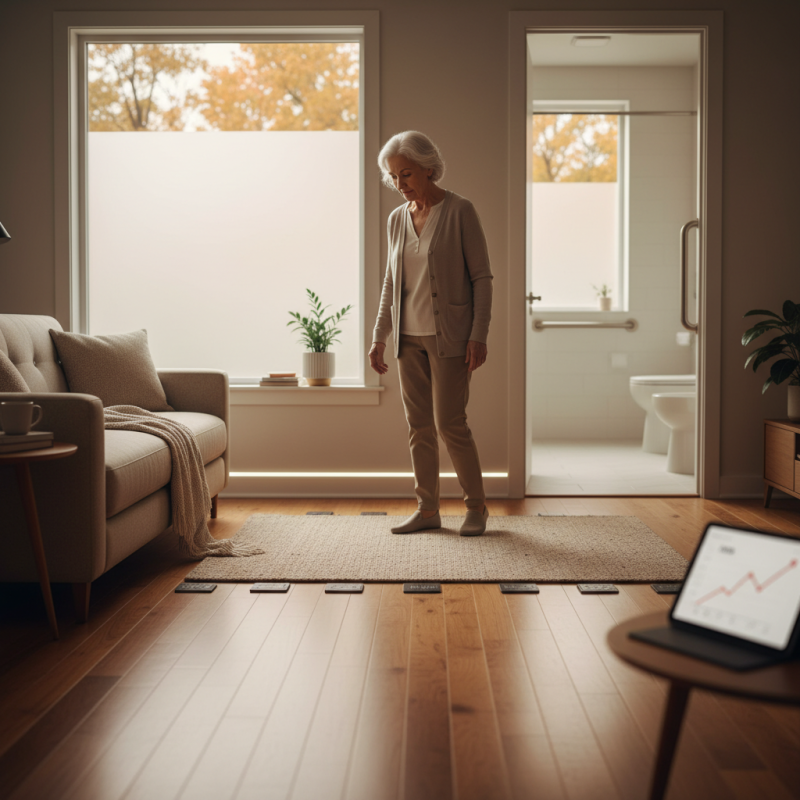
Research shows that simple changes in living spaces can significantly reduce fall risk. Removing clutter, securing rugs, and improving lighting are practical steps. Installing grab bars in bathrooms can also enhance safety. However, these changes require ongoing commitment and evaluation.
It is not enough to make these adjustments once. Regular assessments of environments and habits are essential. This approach ensures that the strategies in place are still effective. Fall prevention is an ongoing journey, not a destination. Reflecting on personal habits can reveal areas for improvement. Consistent vigilance and adaptation are key to creating a safer living environment.
Understanding the Importance of Fall Prevention in 2026
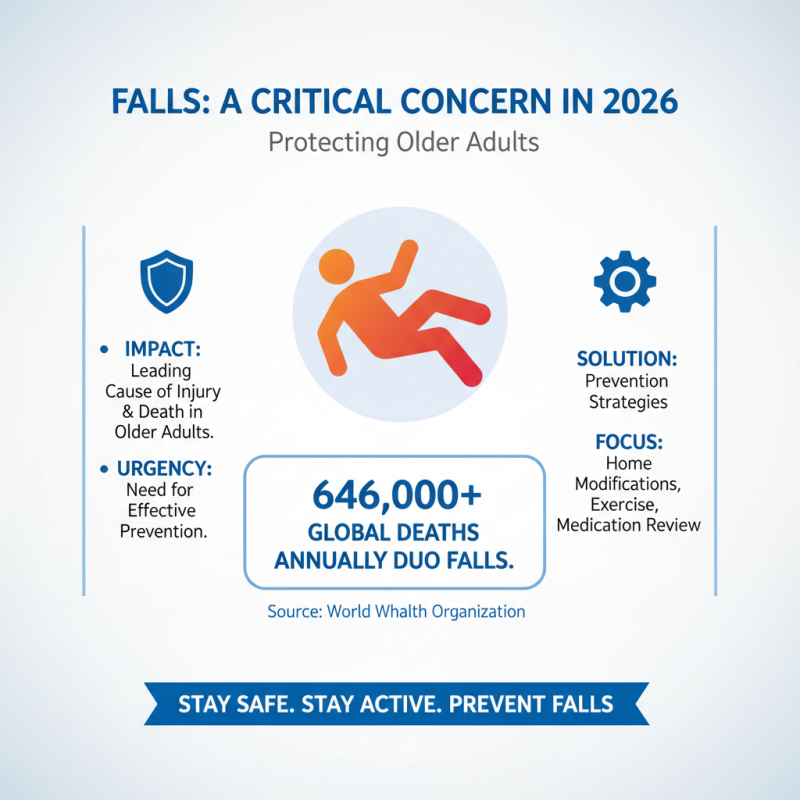
Falls remain a significant concern in 2026, particularly for older adults. According to the World Health Organization, approximately 646,000 individuals die from falls each year. This alarming statistic highlights the urgent need for effective fall prevention strategies.
Implementing environmental changes can greatly reduce fall risks. Simple modifications, such as installing grab bars in bathrooms, can enhance safety. Poor lighting often contributes to falls in homes; brighter bulbs may help. Additionally, wearing the right footwear can prevent slips and trips.
Education is crucial in preventing falls. Many people underestimate the importance of balance and strength training. Regular exercise can improve physical stability. Programs specifically targeting fall prevention have shown positive outcomes. These programs reach communities at higher risk but may not be accessible to everyone. Accessibility remains a challenge in many regions. Creating inclusive resources is essential for broader impact.
Common Causes of Falls and Risk Factors to Consider
Falls can happen to anyone, but certain factors increase the risk. Common causes include slippery surfaces, poor lighting, and uneven walkways. Elderly individuals face a higher risk due to age-related changes. Medications may also affect balance and coordination.
Environmental hazards might often be overlooked. Loose rugs and clutter can contribute to falls at home. Poorly maintained sidewalks and curbs create dangers outside. Regularly checking these areas can prevent accidents.
Personal health factors matter too. Weak muscles or vision issues can lead to falls. It’s vital to address these concerns. A balanced diet and regular exercise can strengthen muscles. Regular eye exams can identify issues early. Awareness is key to preventing falls.
Top Tips for Fall Prevention in 2026
| Risk Factor |
Description |
Prevention Tips |
| Age |
Older adults are at a higher risk due to balance and mobility issues. |
Encourage regular exercise to improve strength and balance. |
| Medication |
Certain medications can cause dizziness or drowsiness. |
Review medications with a healthcare provider regularly. |
| Home Hazards |
Clutter, poor lighting, and uneven surfaces increase fall risks. |
Maintain a tidy living space and install adequate lighting. |
| Vision Problems |
Poor vision can impair depth perception and balance. |
Schedule regular eye exams and update glasses as needed. |
| Chronic Conditions |
Conditions like arthritis can affect mobility and strength. |
Work with a physical therapist to develop a mobility plan. |
Effective Strategies for Reducing Fall Risks at Home
As we look ahead to 2026, fall prevention becomes increasingly important, especially at home. Many accidents happen due to environmental factors. In the kitchen, keep floors clean. A spilled liquid can cause a slippery hazard. Use non-slip mats near the sink. Always wipe up spills immediately.
Bathroom safety is crucial. Install grab bars near the tub and toilet. They provide support when standing or sitting. Use a shower mat with a strong grip. Ensure good lighting to avoid shadows. Consider night lights to illuminate the path.
Living areas should be clutter-free. Remove unnecessary furniture that may obstruct movement. Keep pathways clear. Look for tripping hazards, such as loose rugs. Fix or remove them. Use furniture with rounded edges. It might not seem significant, but these changes are important.
Top Tips for Fall Prevention in 2026
Effective strategies for reducing fall risks at home can significantly impact safety. The following bar chart illustrates some common fall prevention strategies and their perceived effectiveness based on a survey conducted among homeowners.
Community Resources and Support for Fall Prevention Initiatives
In 2026, community resources are crucial for effective fall prevention initiatives. Local organizations can offer programs tailored to elderly individuals. These programs often include balance training and strength exercises. Engaging in such activities helps build confidence. Additionally, they reduce the risk of falls significantly.
Support groups provide a space for sharing experiences. People can discuss challenges and successes, creating a sense of belonging. Many communities also collaborate with healthcare providers. They may host workshops on home safety modifications. Simple changes, like removing clutter, can make a big difference. Awareness campaigns educate about risks like slippery floors and poor lighting.
Many resources exist, but some might be underutilized. It's essential to promote these initiatives actively. Not everyone knows about available support. Some individuals may feel hesitant to seek help. It’s vital for communities to address this gap. Encouraging open conversations about fall prevention can break barriers. Everyone deserves a safe environment and a supportive community.