How to Choose the Best Sleep Monitoring Technology for You?
Choosing the right Sleep Monitoring Technology can significantly impact your health. According to a report by the National Sleep Foundation, around 70 million Americans face sleep disorders. Sleep monitoring devices provide valuable insights into sleep patterns, helping individuals make informed decisions. However, with a plethora of options available, how do you choose the best for your needs?
Many devices claim improved sleep quality. In reality, effectiveness varies widely among technologies. A study published in the Journal of Clinical Sleep Medicine found that not all monitors provide accurate data. Some may misinterpret movement as sleep, leading to confusion. Additionally, the level of detail each technology offers differs greatly. This can either enlighten or overwhelm users.
Choosing the right technology requires careful evaluation. Features such as sleep stage tracking, heart rate monitoring, and user-friendliness play crucial roles. Sometimes, what works for one might not work for another. Exploring the variety of sleep monitoring technology can be daunting but necessary for better sleep hygiene.
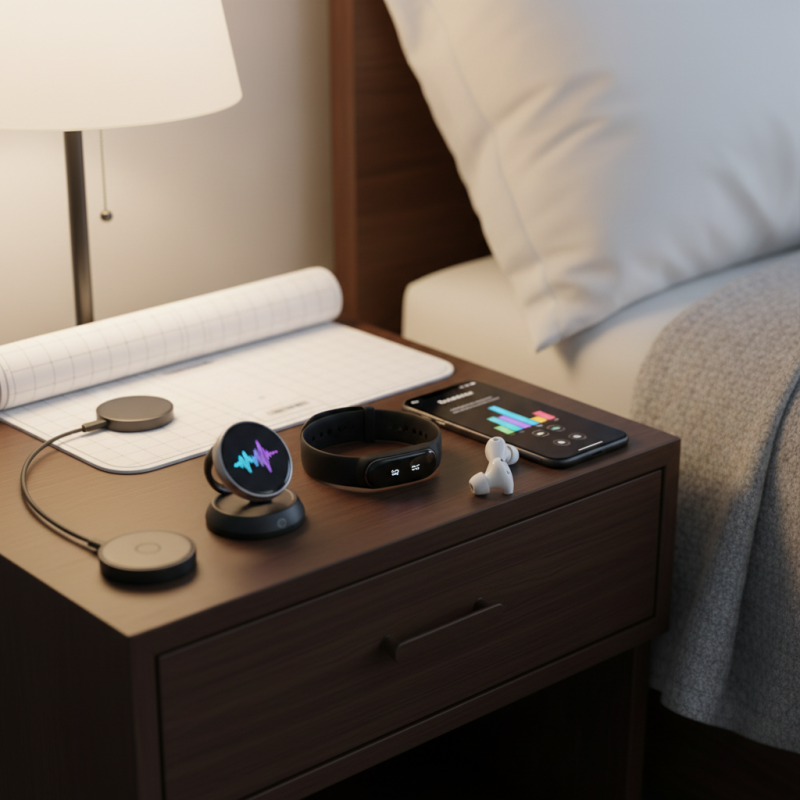
Factors to Consider When Choosing Sleep Monitoring Technology
Choosing the right sleep monitoring technology can feel overwhelming. With various options available, it’s essential to consider a few key factors.
Accuracy is crucial. Look for devices that provide reliable data about your sleep patterns. Sometimes, claims can be exaggerated, so read reviews from reputable sources. Personal preferences also matter. Some people prefer wristbands, while others might find mattress sensors more appealing.
User-friendliness is another important aspect. A device should be easy to set up and navigate. Complicated interfaces can lead to frustration, and may discourage usage. Comfort is equally essential, especially for wearable devices. If it feels uncomfortable, you might avoid wearing it at night.
Lastly, consider data privacy. Know how your sleep data is stored and used. Many technologies collect personal information, which can raise concerns. Balancing these aspects will help you find the best fit for your needs.
Reflecting on your values and priorities can clarify your choice. Remember, it’s not just about the technology; it’s about enhancing your sleep quality for better health.
Types of Sleep Monitoring Devices Available on the Market
When choosing sleep monitoring devices, understanding the types available is crucial. There are wearables, like smart bracelets, that track heart rate and sleep patterns. They often sync with mobile apps for real-time data analysis. These devices are great for people who want immediate feedback about their sleep.
Another option is under-mattress sensors. These passive devices monitor movement and breathing without direct contact. They can provide valuable insights without the discomfort of wearing something to bed. However, they may lack the detailed heart data that wearables offer.
Smart home systems are also gaining traction. Some integrate with existing smart home technology to monitor sleep environments. They can track noise levels and light exposure, affecting sleep quality. While innovative, these systems can be overwhelming and require careful setup and maintenance. It’s essential to weigh the convenience against the complexity. This reflection can lead to better sleep decisions and ultimately enhance your sleep quality.
How to Choose the Best Sleep Monitoring Technology for You? - Types of Sleep Monitoring Devices Available on the Market
| Device Type | Key Features | Accuracy Level | Price Range |
| Wearable Devices | Tracks heart rate, movement, and sleep duration | High | $50 - $300 |
| Smart Mattresses | Integrated sensors, adjusts firmness, tracks sleep patterns | Very High | $1,000 - $3,000 |
| Sleep Trackers | Under the mattress or on bedside table, tracks sleep cycles | Moderate | $100 - $200 |
| Mobile Apps | Track sleep with phone, alarms, soundscapes | Low to Moderate | Free - $50 |
| Sleep Lab Tests | Comprehensive analysis, polysomnography | Very High | $500 - $3,000 |
Understanding Sleep Tracking Features and Metrics
When choosing sleep monitoring technology, understanding the features and metrics is essential. Sleep tracking devices typically measure various aspects of your sleep. These include sleep duration, sleep cycles, and sleep quality. Some devices offer heart rate monitoring as well, which can provide insight into your overall health. A simple heart rate metric may not suffice. It is crucial to contextualize that data with other sleep metrics.
Many people focus solely on the total hours of sleep, but that can be misleading. Sleep cycles play a significant role in restorative sleep. Tracking REM and deep sleep stages can identify patterns in your sleep. These metrics help you understand how well you're recovering each night. Consider how lifestyle impacts these statistics. For instance, stress or late-night screen time can distort the data.
Not all sleep technologies are created equal. Reliability varies among devices, and some might not accurately capture your sleep history. The desire for precise data may lead to disappointment. Assess the metrics that are most relevant to your needs. Take time to reflect on what you aim to improve. This approach helps you select a device that fits your lifestyle and sleep objectives.
Evaluating Data Privacy and Security in Sleep Monitoring Tools
When choosing sleep monitoring technology, data privacy and security are crucial factors. Research indicates that 60% of users worry about how their data is handled. Sleep tracking devices often collect sensitive information, including sleep patterns and health metrics. Understanding how this data is stored and used is vital for your privacy.
Many tools claim to enhance sleep quality but may compromise security. A report from the Information Commissioner's Office revealed that over 50% of health apps may not comply with data protection regulations. Users should be cautious about sharing personal information. Read privacy policies carefully. Unfortunately, many users accept terms without understanding them fully.
Encryption and secure data storage are essential features. Look for tools that prioritize these aspects. However, even top technologies can have vulnerabilities. In 2022, cybersecurity breaches impacted several health applications, exposing personal information. Regular updates and transparency from developers about their practices are necessary. This proactive approach can help you make informed decisions for your sleep health without sacrificing security.
Sleep Monitoring Technology Data Privacy and Security Ratings
This chart illustrates the privacy and security ratings of various sleep monitoring technologies based on user feedback.
Establishing a Budget for Sleep Monitoring Technology Options
Establishing a budget for sleep monitoring technology is essential. The market offers various options, and knowing your financial limits helps narrow down choices. Consider how much you’re willing to spend. Prices can range from inexpensive wearables to advanced sleep tracking systems.
Before diving in, identify your key needs. Do you want basic sleep tracking or detailed insights? Basic devices typically cost less. They may track sleep duration and patterns. Advanced systems provide more features, such as heart rate variability and sleep cycle analysis. A high price doesn’t always guarantee better quality.
Remember to account for potential hidden costs. Some devices require subscriptions for premium features. Others may need accessories or frequent replacements. Reflect on your preferences and lifestyle. While a fancy device might seem appealing, it’s crucial to choose something that truly fits your needs and budget.
