How to Choose the Best Silicone Baby Bib in 2026?
In 2026, choosing a Silicone Baby Bib is about more than picking a cheerful color. Parents need a bib that catches food, stays comfortable, and cleans easily after a messy meal. Grand View Research’s Baby Products Market analysis estimated the broader global baby products market at USD 320.65 billion in 2023, with projected growth through 2030. That figure covers many product categories, not bibs alone. Still, it reflects a large market where practical design and clear product information matter.
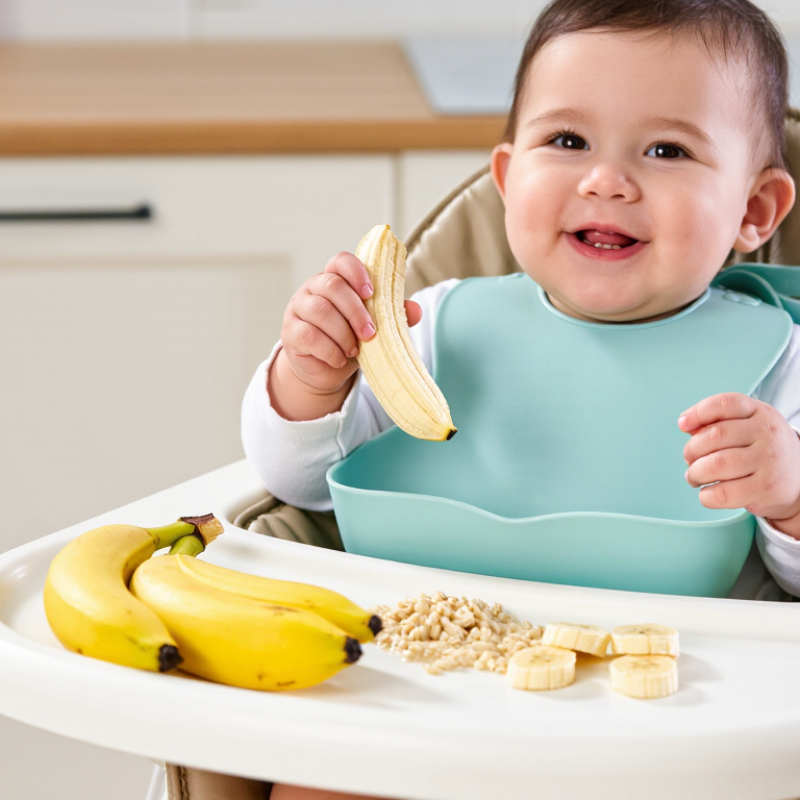
Feeding stage matters, too. The U.S. Centers for Disease Control and Prevention recommends introducing complementary foods at about six months, when a child shows readiness. At the highchair, a wide, stable pocket may catch soft pieces of banana or oatmeal, while a stiff neckline can distract a wiggly baby. Small details count. Compare adjustable fasteners, bib weight, pocket shape, and the maker’s cleaning instructions. Check whether the manufacturer provides clear information about materials intended for food contact; “silicone” alone does not explain every quality or performance difference. And no bib is magic. It cannot replace close supervision or make a meal mess-free. This guide explores the evidence and everyday trade-offs behind the best options, while noting where product claims are difficult to compare. A little skepticism helps.
Understanding Silicone Baby Bibs and Their Essential Features
A silicone baby bib is a flexible, wipe-clean garment designed to catch food and drink before they reach a child’s clothes or the floor. Unlike cloth bibs, it usually does not absorb spills. Instead, a raised pocket collects crumbs, soft fruit, and small drops of water. The pocket works best when it stays open during use; a very shallow one may let food bounce out. Small details matter.
Check the silicone’s feel and construction. A bib should bend easily without feeling flimsy, and its edges should be smooth against a child’s neck and chest. Look for adjustable closures that fasten securely but can be released by an adult without a struggle. Fit varies between children, so an adjustable bib may still need checking as a child grows. Never leave a baby unattended while wearing one.
Cleaning is part of everyday use. A smooth surface is easier to wipe after oatmeal or mashed vegetables, while deep creases can hold residue. Many silicone bibs are dishwasher-safe, but follow the care instructions for the specific item. Let the bib dry fully before storing it. A broad pocket can catch more food, though it may feel bulky at a high chair. That trade-off is easy to miss.
Checking Material Safety, Certifications, and Build Quality
A silicone baby bib should feel flexible, not sticky or unusually stiff. Check the packaging for a clear material description and age guidance. “Food-grade” alone is not proof of safety; look for specific, verifiable test reports or certifications relevant to the market where it is sold. Confirm that the documentation names the product or material, not just a general factory. Details matter.
Inspect the bib in good light. The surface should be smooth, with no sharp edges, cracks, or rough spots around the neck opening and crumb pocket. Give it a gentle tug; thin areas near the fasteners can weaken with repeated use. A strong odor is worth questioning, though smell alone cannot confirm what a product contains. Look closely. Check that the closure adjusts securely without pinching, and that the pocket stays open when the bib hangs naturally. A suction feature, if present, does not prove material quality. Follow the maker’s cleaning instructions, then inspect the bib regularly for tears, peeling, or changes in texture. I would not rely on a certificate screenshot without checking its issuer and scope. Small details can be easy to miss.
How to Choose the Best Silicone Baby Bib in 2026?
U.S. CPSIA concentration limits for certain children’s product materials
These bars show regulatory limits, not test results for any bib. Requirements depend on the product and material; ask for an independent test report that identifies the exact model and tested components. Also inspect the bib for a securely formed catch pocket, smooth edges, and a durable, adjustable closure.
Sources: U.S. CPSC lead limits and U.S. CPSC phthalate requirements. Limits apply only within the scope of the relevant rules.
Comparing Fit, Adjustability, and Comfort for Your Baby
A silicone bib should sit close enough to catch drips, but never press into your baby’s neck. Check the neckline with your baby seated upright: you should be able to slide a finger beneath it comfortably. Too snug can rub during a meal; too loose may let porridge or water run underneath. Room to move matters.
Adjustability helps as babies grow and clothing changes. The WHO Child Growth Standards report lists median length for girls as 49.1 cm at birth and 85.7 cm at 24 months. Length does not predict neck size, but the data underline why one fit may not last. Recheck the fasteners regularly, and look for several settings that hold securely without pulling the neckline inward. No sharp edges. A deep pocket can catch soft food, though it may feel bulky against a small torso. I still find this trade-off easy to miss when shopping online.
Comfort is easiest to judge during an actual meal. Watch for red marks, trapped skin, or a bib that shifts when your baby turns to reach a spoon. Softer silicone may flex more naturally, while a stiffer design can keep its pocket open. Babies differ, so material claims alone cannot tell you what feels right. Choose a bib that stays put without restricting movement, then check the fit again after growth spurts.
Assessing Pocket Design, Ease of Cleaning, and Durability
A useful silicone bib should reduce the mess without making cleanup another chore. Start with the pocket. A wide, open pocket catches soft foods and crumbs; a narrow opening may fold against a child’s shirt. Gently bend the bib and see whether the pocket opens again. A deep pocket can help, but it may also hold rinse water.
Cleaning details matter in daily use. Rinse the bib soon after sticky oatmeal or dried egg, before residue hardens. Smooth surfaces and rounded corners leave fewer places for food to cling. Dishwasher-safe does not mean heat-proof under every setting, so check the care instructions. Not every stain disappears. After washing, leave the pocket open to dry rather than resting it flat on a damp counter.
Durability is not just thickness. A flexible bib should resist splitting near the neck and fasteners, where repeated pulling puts stress on the material. Check that the clasp stays secure without feeling tight, and inspect it regularly for cracks or stretching. Very thick silicone may seem tougher, yet it can feel bulky in a bag. That trade-off is easy to overlook.
Choosing a Bib for Your Baby’s Age, Feeding Stage, and Routine
A good silicone baby bib should suit your baby’s feeding stage, not just their age. Early solid meals can be messy and brief, so choose a lightweight bib with a soft, adjustable neck opening. It should sit comfortably without pressing against the throat or limiting movement. Check the fit while your baby is seated, since a bib that seems roomy in your hands may shift during a meal. Small details matter.
As your baby starts self-feeding, a wide pocket can catch soft pieces of food, but it works best when it stays open rather than folding flat. For daycare or meals away from home, consider whether the bib is easy to rinse, dry, and pack without trapping crumbs. At home, a heavier style may be fine, though some babies tug at it or dislike the feel. That’s worth noticing. Follow the care instructions, and check regularly for damage or rough edges. Keep your baby seated and supervised while eating; a bib is not a substitute for attentive feeding. If one design causes fussing, try adjusting the fit before deciding it is the wrong choice.
