How to Choose the Best Ceramic Dental Brackets for Your Needs?
Choosing the right Ceramic Dental Brackets for orthodontic treatment is not a simple task. The market offers various materials, designs, and features that can affect both aesthetics and performance. According to a recent report by the American Association of Orthodontists (AAO), over 4 million people in the U.S. wear braces. Among these, a significant preference leans toward ceramic options due to their discretion and effectiveness.
Dr. Sarah Jenkins, a leading expert in orthodontics, emphasizes, "Selecting the right ceramic brackets can transform not only the treatment process but also the patient’s overall experience." Ceramic Dental Brackets are often perceived as less noticeable than traditional metal brackets, making them a popular choice among adults and teens. However, factors such as strength, cost, and potential staining should be carefully considered before making a decision.
While the advantages are clear, not all ceramic brackets are created equal. Some may lack durability or require more frequent adjustments. It's critical to weigh these potential drawbacks against your personal needs and preferences. Making an informed choice is essential for achieving the desired outcomes in your orthodontic journey.
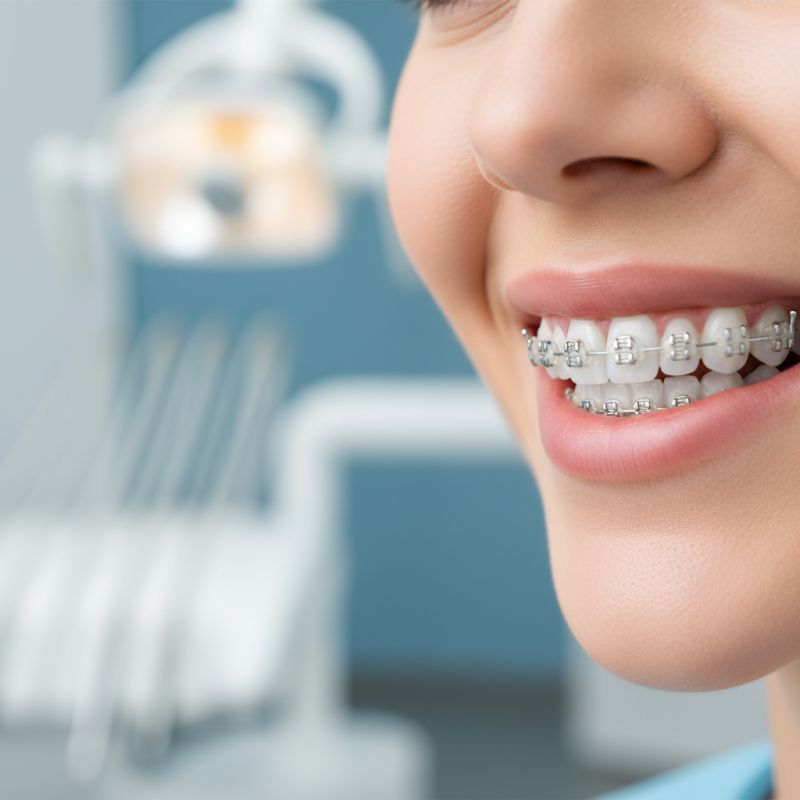
Understanding the Different Types of Ceramic Dental Brackets
When selecting ceramic dental brackets, understanding the different types is crucial. Ceramic brackets are popular for their aesthetic appeal, but they vary in quality and function. Some are translucent, matching tooth enamel closely. Others may have a slightly noticeable color. This variation affects both appearance and comfort. Choosing the right type can influence how confident you feel during treatment.
Different designs offer unique benefits. Some ceramic brackets are more robust, providing better durability. Others are thinner and less noticeable. Patients should consider their preferences and lifestyle. For active individuals, durability might be a higher priority. Conversely, for those who value discretion, smaller, less obvious brackets could be best.
It's important to remember that not all ceramic brackets are created equal. Some may stain easily, especially if consumed with certain foods. Regular maintenance is necessary. Reflecting on these factors will help you make a more informed choice. Consulting with an orthodontist can also provide valuable insights tailored to your specific needs.
Different Types of Ceramic Dental Brackets
Key Factors to Consider When Choosing Ceramic Brackets
When choosing ceramic dental brackets, several key factors come into play. The aesthetics of ceramic materials are appealing to many patients. Reports indicate that up to 70% of adult orthodontic patients prefer discreet treatment options. Ceramic brackets can blend well with tooth color, providing a less noticeable alternative to metal brackets.
Durability is another considerable factor. While ceramic brackets are designed to withstand daily wear, they can be more prone to chipping than metal counterparts. According to some studies, the breakage rate can reach about 7% in certain cases. Understanding your lifestyle and dietary habits is essential in assessing potential risks. For example, habits like nail-biting or eating hard foods may increase breakage likelihood.
The efficacy of ceramic brackets must also be taken into account. While they can perform similarly to metal brackets in treatment, some orthodontists warn about longer treatment times. A study published in the Journal of Orthodontics found that ceramic brackets can result in treatment duration increasing by 15% or more. It’s crucial to discuss all these factors with your orthodontist, as personalized insights will help shape the best decision for your dental needs.
Comparing Aesthetic Appeal vs. Durability in Ceramic Brackets
Choosing the right ceramic dental brackets involves balancing aesthetic appeal with durability. Many patients prefer ceramic brackets due to their discreet appearance. These clear or tooth-colored brackets blend seamlessly with natural teeth. This makes them an attractive option for adults and teens alike. However, the aesthetic appeal comes with some trade-offs.
Durability is a key consideration. Ceramic brackets can be more brittle than metal ones. They might chip or break under pressure, especially during sports or active lifestyles. This can lead to increased repair costs and longer treatment times. Patients should also know that ceramic brackets may stain over time. While they start clear, food and beverages can discolor them. Therefore, maintaining their appearance requires diligence in oral hygiene.
A patient’s personal lifestyle can influence the decision. Those who prioritize aesthetics might be willing to accept the risks associated with ceramic brackets. Others may prefer the strength and reliability of metal options. In the end, understanding both sides is essential before making a choice. Balancing beauty and function can lead to a more satisfying orthodontic experience.
Assessing Comfort and Fit for Your Dental Needs
Choosing the right ceramic dental brackets involves more than aesthetics. Comfort and fit are paramount for your dental health. Ceramic brackets should conform well to your teeth. A good fit reduces irritation to your gums and cheeks. It improves your overall experience during orthodontic treatment.
Assessing comfort can be subjective. What feels right for one person may not for another. It’s important to try different brackets if possible. You can discuss these options with your orthodontist. Remember, a slightly uncomfortable fit can lead to long-term issues.
The material of the brackets also plays a role. Some ceramics may cause more friction than others. Lower friction means less discomfort during treatment. Ensure you ask your orthodontist about their experience with various types. Their expertise can help guide your decision based on your needs and lifestyle. Take the time to reflect on your preferences. An informed choice can significantly impact your orthodontic journey.
How to Choose the Best Ceramic Dental Brackets for Your Needs? - Assessing Comfort and Fit for Your Dental Needs
| Feature | Option 1 | Option 2 | Option 3 |
| Material Quality | High-Strength Ceramic | Standard Ceramic | Composite Ceramic |
| Comfort Level | Excellent | Good | Fair |
| Aesthetic Appeal | Translucent | White | Colored Options |
| Ease of Cleaning | Easy | Moderate | Difficult |
| Adjustability | Highly Adjustable | Slightly Adjustable | Non-Adjustable |
Cost Considerations and Treatment Options with Ceramic Brackets
When considering ceramic dental brackets, cost is a significant factor. Prices can vary based on the complexity of the treatment and the dentist's expertise. Ceramic brackets may cost more than traditional metal ones. However, many find the aesthetic benefits justify the expense. They blend well with teeth, offering a discreet option for wearers. It’s essential to discuss with your orthodontist about the overall cost, including follow-up visits and adjustments.
Treatment options with ceramic brackets are also worth exploring. Some patients may experience longer treatment times due to the nature of the materials. Different styles are available, influencing both comfort and effectiveness.
Some brackets are smaller and less noticeable but may not provide as much strength. Others are more durable but might be bulkier. Examine how these factors align with your specific dental needs. Always seek professional advice when choosing the right ceramic brackets for your orthodontic journey.
