Why Choose a Point Of Purchase Display Rack?
A shopper may enter a store for one item and leave with another after noticing a product near checkout. A Point Of Purchase Display Rack gives that product a clear, well-organized place to be seen. Its value is practical: it can bring selected goods closer to customers, highlight a promotion, and make browsing easier in a busy aisle. Small details matter. A tilted shelf, blocked price label, or unstable base can weaken the display’s impact.
Choosing a rack involves more than appearance. Retail teams should consider product dimensions, weight, packaging, foot traffic, available floor space, and how often staff need to restock. A compact countertop rack may suit small accessories, while a freestanding unit can hold larger assortments. Materials and finishes should fit the store environment and tolerate routine handling. Check that shelves are accessible and signage remains readable from a customer’s normal viewing angle.
The best choice depends on the goal. A rack designed for a seasonal offer may not work well for everyday stock, and a prominent position does not guarantee sales. That is the point. Track inventory movement, observe customer interaction, and adjust placement when practical. Even a carefully chosen display may need revision after real shoppers use it. By weighing function, safety, presentation, and measurable results, retailers can decide whether a Point Of Purchase Display Rack suits their products and floor plan.
What Is a Point of Purchase Display Rack?
Why Choose a Point Of Purchase Display Rack?
What Is a Point of Purchase Display Rack?
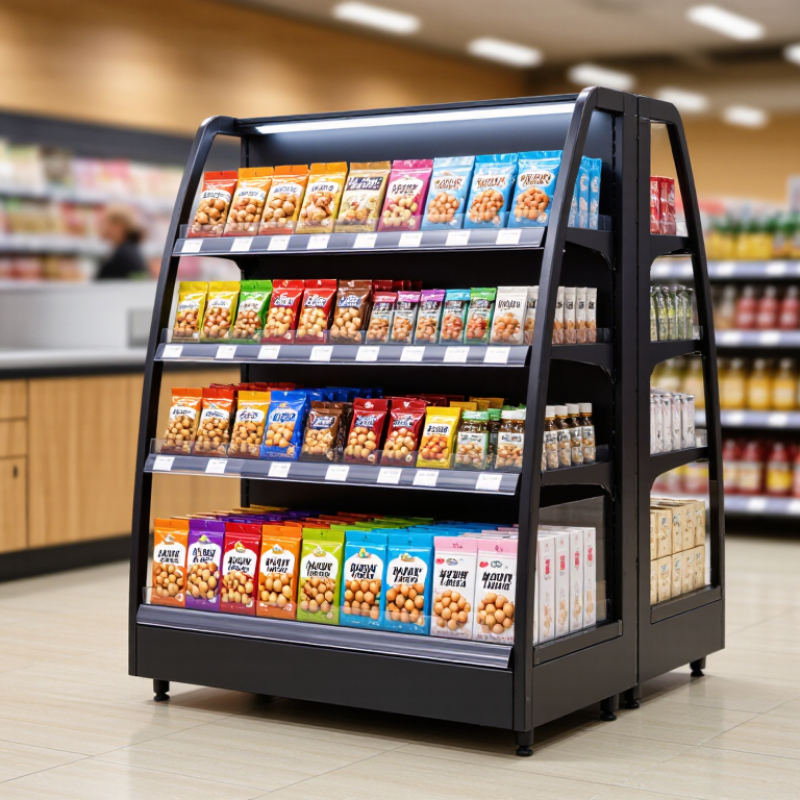
A point-of-purchase (POP) display rack is a fixture that presents products where shoppers make buying decisions. It may stand beside an aisle, sit near a checkout, or occupy an endcap. Racks can be made from metal, plastic, wood, or corrugated board, and may include shelves, hooks, price cards, or simple signage. Unlike ordinary storage shelving, a POP rack is arranged to make selected products easy to notice and reach. Small details matter.
The location has a practical purpose. POPAI’s 2012 Shopper Engagement Study reported that 76% of purchase decisions were made in-store among surveyed shoppers. That figure describes the study’s sample, not a guaranteed result for every store or rack. Separately, the U.S. Census Bureau’s Q4 2023 Quarterly Retail E-Commerce Sales report placed online sales at 15.6% of total U.S. retail sales, seasonally adjusted. Physical stores still matter, but a fixture alone does not create demand. It needs stable construction, clear pricing, and enough space for customers to browse without blocking traffic. A rack can also become visual clutter. That part is easy to overlook.
How Point of Purchase Racks Influence Buying Decisions
A point-of-purchase rack can change what shoppers notice while moving through a store. A clear sightline, reachable products, and a simple price label reduce the effort needed to pause and compare. POPAI’s 2012 Shopper Engagement Study reported that 76% of purchase decisions are made in-store. That figure describes in-store decisions broadly, not sales caused by display racks alone. The distinction matters. A rack may prompt attention, but stock availability, price, and shopper needs still shape the final choice.
Placement is practical, not magical. A small rack beside a related category can make an unfamiliar item easier to consider; one tucked behind a queue barrier may simply disappear. Keep the best-selling items within easy reach, and avoid crowding the shelf with too many messages. Small cues matter. Track sales before and after placement, while noting promotions and seasonal changes. Otherwise, a display may get credit for a rise it did not cause. The less comfortable question is whether the rack helps shoppers decide—or merely adds visual noise. Used thoughtfully, it can turn a passing glance into a deliberate product comparison.
Key Benefits of Using a Point of Purchase Display Rack
A point-of-purchase display rack puts products where buying decisions happen: beside a checkout, at an aisle end, or near a related item. It can make a new product easier to notice and reduce the effort of finding an everyday essential. A clear price label and neatly faced packages help. It is a quiet prompt.
The 2014 Shopper Engagement Study by Point of Purchase Advertising International (POPAI) reported that 82% of purchase decisions were made in-store. That figure supports the value of reaching shoppers at the shelf, though it does not guarantee that a display will increase sales in every store or category. A rack also gives retailers a practical way to present a small assortment without rearranging an entire aisle. Placement matters.
Not every display wins. Crowded shelves, blocked sightlines, or confusing signs can make products harder to choose. Store teams can track stock levels and compare sales before and after a display is installed, while noting other changes that may affect results. One limitation is easy to miss: an attractive rack still needs regular upkeep.
Types of Point of Purchase Display Racks
Why Choose a Point Of Purchase Display Rack?
Types of Point of Purchase Display Racks
Point of purchase racks bring products into a shopper’s line of sight near aisles, checkout counters, or category shelves. The main types serve different spaces. Countertop racks hold compact items beside the payment terminal. Floor-standing racks suit larger assortments and can create a clear feature zone. End-cap racks occupy the end of an aisle, while pallet displays work for bulk products and fast-moving promotions. Each format trades space, capacity, and visibility differently.
POPAI’s 2012 Shopper Engagement Study reported that 76% of purchase decisions were made in-store. That figure supports testing displays at the point of choice, but it does not guarantee extra sales. A rack may attract attention and still underperform if prices are unclear or replenishment is slow. Check sightlines from the aisle, keep popular items within easy reach, and track sales before and after placement. Small details matter. A crooked price card can weaken an otherwise tidy display.
Tips: Match rack size to the product, not just the available floor space. Photograph the setup weekly; a display often looks different once shoppers use it.
How to Choose the Right Display Rack for Your Store
Choosing the right point-of-purchase display rack starts with the product and the path shoppers take. Measure the available floor space, aisle width, and reach height before comparing designs. A rack that blocks a clear sightline can frustrate shoppers, even when it looks attractive. Check its load capacity against the weight of fully stocked shelves, not just a few sample items. Small details matter. Rounded edges, stable feet, and easy-to-clean surfaces help the fixture work through busy days.
POPAI’s 2012 Shopper Engagement Study reported that 76% of purchase decisions were made in-store. The figure is useful context, but it is dated and should not be treated as a prediction for every store. Use it to justify testing visibility, not to assume a rack will lift sales. Place a trial fixture where shoppers naturally slow down, then track units sold, restocking time, and whether the rack disrupts traffic. Keep the test period consistent. It can be tempting to judge by appearance alone. That is a weak measure. Choose a durable, adjustable rack if product sizes or seasonal assortments change often, and review the setup after staff have used it for several shifts.
Why Choose a Point-of-Purchase Display Rack?
Use these accessibility measurements when choosing a rack and planning its placement. Keeping routes clear and products within reach helps make displays easier to navigate and use.
Measurements are from the U.S. ADA Standards for Accessible Design: accessible routes generally require at least 36 inches of clear width, and unobstructed forward reach is 15–48 inches. Check applicable exceptions and local requirements when planning your store layout.
