How to Choose the Best Orthodontic Adhesive System for Treatment?
Choosing the right Orthodontic Adhesive System is crucial for successful treatment outcomes. The global market for orthodontic adhesives is expected to reach $532 million by 2026. This highlights the importance of selecting effective and safe products. Dental professionals face multiple options, each with unique properties.
The adhesive system you choose can impact bond strength and patient comfort. Recent studies reveal that bond failures can occur in 8-12% of cases. This statistic emphasizes the need for quality adhesive systems. Not all products provide the same level of effectiveness. It’s essential to analyze the specific requirements of your orthodontic techniques.
Practitioners must consider various factors, such as curing time and esthetics of the adhesive. These elements directly influence patient satisfaction. An unverified adhesive may lead to complications. This underscores the need for careful selection and evaluation in practice. A proficient choice can enhance both efficiency and treatment success rates.
Understanding Orthodontic Adhesive Systems: An Overview
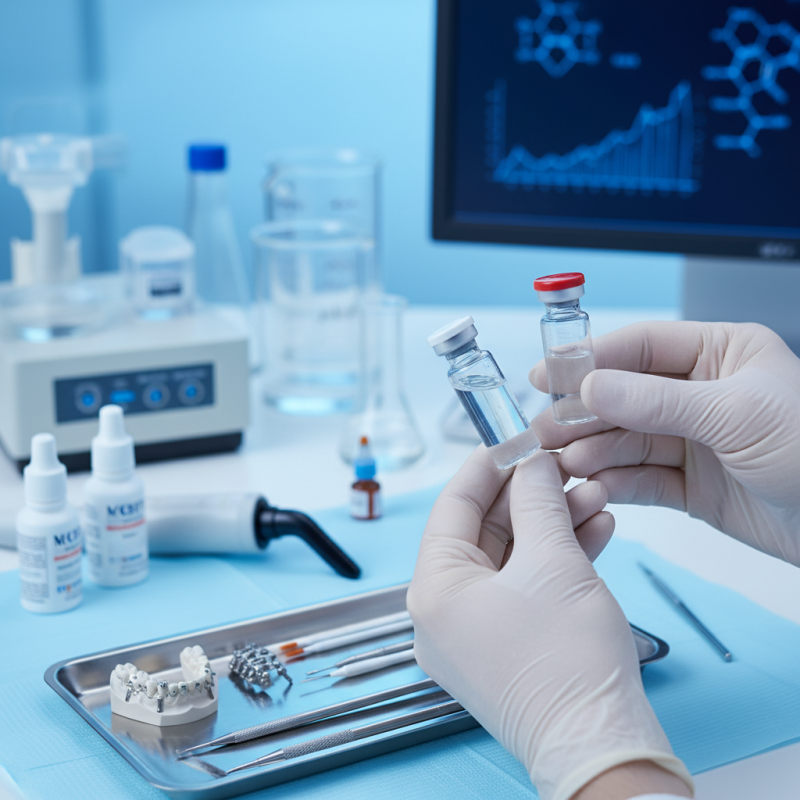
Orthodontic adhesive systems play a crucial role in successful treatments. They attach brackets to teeth, ensuring that the orthodontic forces are accurately delivered. The choice of adhesive can greatly impact treatment efficiency and patient comfort. Studies show that adhesive quality affects bracket bond strength and durability. For instance, a report indicated that failure rates can be as high as 20% with subpar adhesives.
Tips: Select an adhesive that offers a reliable bond. Look for options that provide easy removal once treatment is complete. Evaluate the setting time, as faster curing options can enhance patient experience.
Different adhesive systems exist, including light-cured and self-etching adhesives. Light-cured adhesives often offer better control during application, but they require a light source for setting. Self-etching variants simplify the process with reduced steps. However, users must be cautious, as improper application can lead to bond failures or enamel damage.
Tips: Always ensure proper storage of adhesives. Temperature fluctuations can change properties and effectiveness. Test a small sample beforehand to ensure the chosen system meets your clinical needs.
Types of Orthodontic Adhesives: Key Differences and Applications
Orthodontic adhesives play a critical role in the success of orthodontic treatment. Understanding the types and their unique properties is essential for selecting the best adhesive system. There are primarily two categories of orthodontic adhesives: resin-based and glass ionomer. Resin-based adhesives offer superior bonding strength. A study showed they have an average shear bond strength of approximately 8-10 MPa. In contrast, glass ionomer adhesives, while easier to handle, typically exhibit lower bond strengths, averaging around 6-8 MPa.
Each adhesive type has specific applications. Resin adhesives are favored for bonding brackets due to their durability and resistance to moisture. However, they can be challenging to remove at the end of treatment. On the other hand, glass ionomer adhesives release fluoride, providing additional protection against dental caries. This characteristic makes them suitable for use in patients with a high risk of cavities. Yet, they may not perform well under heavy forces.
Choosing the right adhesive involves weighing these trade-offs. Clinicians must consider patient needs, expected treatment duration, and oral hygiene levels. A wrong choice can lead to bond failure or increased chair time. Therefore, awareness of the adhesive's limitations is just as vital as its benefits. It is crucial to remain informed and reflect on which adhesive serves both clinical and patient needs best.
Factors to Consider When Selecting an Adhesive System
When choosing an orthodontic adhesive system, multiple factors require careful consideration. Adhesive strength is critical. It needs to endure the pressure of daily wear and tear. Research indicates that systems with a shear bond strength of at least 6-8 MPa provide sufficient durability for most braces. A weaker adhesive can lead to bracket failures, causing treatment delays.
The curing time of adhesive systems is another important factor. A fast curing time can increase efficiency during placements. Some systems cure in less than 30 seconds, providing both convenience and effectiveness. However, rushing does have risks. If improperly applied, the adhesive may not bond correctly, leading to rework and wasted resources.
Biocompatibility also plays a vital role. Many patients have sensitivities or allergies. Reports show that over 15% of patients might experience adverse reactions to certain materials. Choosing hypoallergenic options can minimize discomfort. Additionally, cost-effectiveness needs scrutiny. While more expensive options often boast better performance, it is essential to weigh those benefits against long-term outcomes and patient satisfaction.
How to Choose the Best Orthodontic Adhesive System for Treatment? - Factors to Consider When Selecting an Adhesive System
| Factor | Description | Recommended Characteristics |
| Bond Strength | The adhesive's ability to hold brackets in place throughout treatment. | High bond strength to minimize bracket debonding. |
| Setting Time | The time taken for the adhesive to fully set and cure. | Fast setting time for efficient procedures. |
| Viscosity | The thickness of the adhesive which can affect application. | Moderate viscosity for easy application without run-off. |
| Hydrolytic Stability | Resistance to moisture which can compromise adhesion. | Excellent hydrolytic stability for long-term efficacy. |
| Radiopacity | Visibility on X-rays to monitor adhesive presence. | Clear radiopacity to facilitate monitoring during treatment. |
Evaluation of Adhesive Bond Strength and Durability
When selecting an orthodontic adhesive system, one crucial factor is the adhesive bond strength and durability. Studies indicate that bond strength significantly impacts treatment success. For example, research shows that effective adhesives achieve bond strengths averaging 8-12 MPa, which is considered optimal for common orthodontic applications. However, not all products meet these standards.
Durability is equally important. A reliable adhesive should withstand the forces of daily wear and tear. Reports suggest that some adhesives may lose up to 50% of their bond strength within the first six months. This decline can lead to bracket failure, increasing patient treatment time and complications. Monitoring bond durability can be complex, as factors such as salivary flow and oral hygiene play roles.
It's vital to consider the long-term effects of using a particular adhesive. While a product may perform well initially, it might not retain its effectiveness over time. Orthodontic professionals often express concerns about the longevity of certain systems, emphasizing the need for continuous evaluation. Choosing wisely can lead to more predictable outcomes in orthodontic treatment. Ultimately, understanding bond strength and durability can help practitioners make informed decisions.
Adhesive Bond Strength Comparison of Different Orthodontic Adhesive Systems
Best Practices for Application and Use of Orthodontic Adhesives
Choosing the right orthodontic adhesive is crucial for effective treatment. One key practice is ensuring proper surface preparation. Clean teeth thoroughly before applying any adhesive. This removes plaque and debris, allowing for better bonding. Additionally, consider using a separator to prevent unwanted contact with adjacent teeth.
Application technique matters. Use a consistent amount of adhesive to avoid over or underapplication. Too much adhesive can lead to complications, while too little may result in debonding. It’s essential to follow the manufacturer's instructions, as this can vary. Pay attention to timing during the curing process; improper curing can weaken the bond.
Always evaluate your outcomes. If debonding occurs frequently, reflect on your methods. A high failure rate may indicate a need for refinement in application technique or bonding protocols. Keep a log of any issues for future reference. Continuous learning is vital in orthodontics. Mistakes can lead to improvements, making reflective practice a necessary part of orthodontic care.
