Why Choose a Sow Gestation Crate for Modern Farming?
In modern farming, the use of a Sow Gestation Crate has become increasingly common. According to a report by the Animal Welfare Institute, nearly 60% of U.S. sows are housed in these crates during gestation. This system aims to maximize space and ensure the safety of both the sows and their unborn piglets. With the rise of factory farming, efficiency is crucial.
However, the use of Sow Gestation Crates is not without controversy. Critics argue that these crates restrict the animal's movement and can cause stress. A study by the University of Alberta highlights that better welfare practices can lead to improved overall productivity. Furthermore, the National Pork Producers Council states that proper crate management can reduce injury risks.
While Sow Gestation Crates offer clear benefits in terms of space and management, they raise ethical questions. Farmers must balance efficiency with the need for humane treatment. Ongoing discussions about animal welfare continue to challenge the industry to reflect on its practices. The path forward requires innovation and a commitment to improvement.
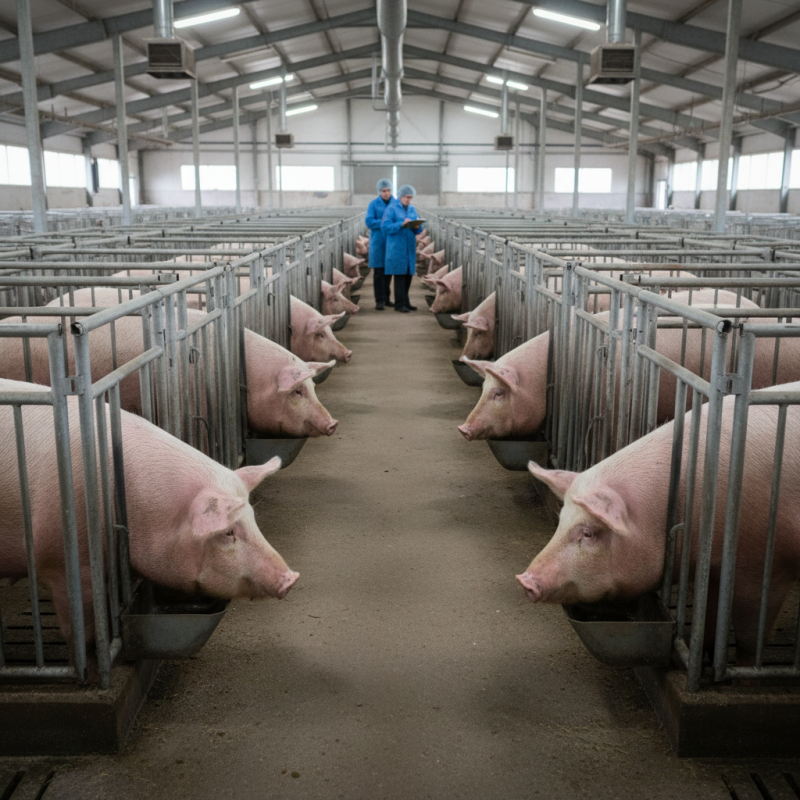
Benefits of Sow Gestation Crates in Modern Pig Farming Practices
Sow gestation crates are becoming increasingly popular in modern pig farming. These crates provide a controlled environment for sows during pregnancy. The design allows minimal space for movement, which some argue enhances welfare by reducing stress-related injuries. According to a 2021 report by the Food and Agriculture Organization, the use of such crates has led to a 20% increase in piglet survival rates.
However, the debate surrounding sow gestation crates continues. Critics argue that restricting movement can lead to physical and psychological issues for the animals. Data from the Animal Welfare Institute indicates that sows in gestation crates might experience increased aggression and stereotypic behaviors. This brings forth ethical concerns about animal welfare in agricultural practices.
On the other hand, proponents highlight the crates’ benefits for farmers. Efficient space use can lead to reduced feed costs and improved management of resources. Reports show that farms utilizing these systems have seen up to a 15% increase in operational efficiency. Yet, farmers must consider the trade-offs between productivity and ethical considerations of animal care.
Key Statistics on Sow Health and Productivity with Gestation Crates
Sow gestation crates are increasingly used in modern farming. They can be beneficial for pig health and productivity. Studies reveal that sows in these crates often show higher pregnancy rates. Gestation crates minimize stress, which is vital for reproductive success.
However, the approach has its critics. Some argue that crating limits the natural movement of sows. This can lead to behavioral issues and potential health concerns. Farmers must weigh the benefits against the ethical considerations of animal welfare.
Tip: Monitor sow behavior closely. Behavioral changes can indicate stress or discomfort. Regular audits of crate conditions help ensure the well-being of the sows.
Another key statistic shows that sows in gestation crates have fewer deliveries with complications. This can lead to healthier piglets and increased overall farm productivity. Yet, it is essential to provide enrichment within these crates to promote mental stimulation.
Tip: Implement sensory enrichment in crates. Simple items like rubber mats or hanging toys can positively impact sow well-being. Balancing productivity with animal welfare needs careful attention and ongoing evaluation.
Animal Welfare Considerations in the Use of Gestation Crates
The use of gestation crates in modern farming is a contentious issue. Proponents argue these crates provide safety and efficiency in breeding programs. However, concerns regarding animal welfare continue to spark debate. Research shows that these enclosed spaces restrict movement and social interactions, which can lead to stress and behavioral issues in sows.
In a 2022 report by the Animal Welfare Institute, it was noted that 40% of farmers acknowledged signs of stress in pigs housed in gestation crates. The confinement can prevent natural behaviors like nesting and socializing, raising ethical concerns among consumers and advocacy groups. The report calls for alternatives that allow sows greater freedom.
Recent studies emphasize the benefits of group housing systems. These systems not only improve the overall well-being of sows but can also enhance productivity. A recent survey indicated that farms using group housing reported lower veterinary costs. This suggests a potential for improved health outcomes. However, transitioning to such systems requires careful planning and investment. Practitioners must weigh the benefits against the initial challenges of implementation.
Why Choose a Sow Gestation Crate for Modern Farming? - Animal Welfare Considerations in the Use of Gestation Crates
| Aspect | Benefits | Considerations |
| Space Optimization | Allows more efficient use of space in barns. | May restrict natural behaviors. |
| Health Monitoring | Facilitates easier health checks and monitoring. | Requires careful handling to minimize stress. |
| Feeding Efficiency | Promotes controlled feeding and reduces waste. | May lead to competition and aggression. |
| Temperature Control | Improves environment control during gestation. | Requires effective ventilation systems. |
| Data Collection | Enables collection of health and productivity data. | Technology integration may be required. |
Economic Impact of Gestation Crates on Farm Efficiency and Profitability
Gestation crates are a hot topic in modern farming. These structures allow for efficient management of breeding sows. However, their economic impact can be significant. Farms using gestation crates often see improved productivity. With better space usage, farmers can manage more animals effectively.
Studies show that farms can reduce costs. Fewer resources are wasted when sows are kept in close quarters. Additionally, gestation crates can lower labor costs. With a controlled environment, fewer workers are needed to monitor breeding. This can lead to an increase in overall profitability.
Yet, there are ethical concerns that shouldn't be ignored. Critics argue these crates limit animal movement and welfare. Some farms may face backlash for using them. This could impact their brand image and sales. Balancing efficiency and ethics is essential for the future of farming. It's crucial to evaluate not only profit but also the responsibility we have towards animal welfare.
Economic Impact of Gestation Crates on Farm Efficiency and Profitability
Advancements in Sow Gestation Crate Design and Technology
The design of sow gestation crates has evolved significantly in recent years. Modern crates prioritize both animal welfare and operational efficiency. New materials provide better insulation and comfort. These advancements are vital for creating an environment that supports the health of sows and piglets.
Technological integration also plays a crucial role in gestation crate design. Innovations like automated feeding systems help maintain optimal nutrition. Sensor technology allows farmers to monitor each sow's health in real-time. However, challenges remain. Some farmers face difficulties in adapting to new technologies. There can be resistance to change, even if the benefits are clear.
Sow gestation crates are not just equipment; they reflect a commitment to improving farming practices. Continuous feedback from farmers is essential. As designs improve, so should understanding of animal needs. The journey for better solutions in farming is ongoing. Embracing change is necessary for future success.
