
10 Tips for Buying Decorative Plush Toys in Bulk
Buying Decorative Plush Toys in bulk can look simple until a shipment arrives with uneven stitching, mismatched colors, or sizes that differ from the sample. Those details matter. A soft velvet rabbit displayed beside a scratchy, misshapen bear can change the feel of an entire shop or event.
Decorative plush sourcing specialist Claire Bennett puts the buying principle this way: “A good bulk order is not just one attractive sample; it is a repeatable standard across every piece.” Buyers should check fabric, filling, seams, dimensions, color consistency, packaging, and supplier communication before committing. Ask for a production sample, confirm what the quoted price includes, and agree on how quality will be checked. Small details count. A loose ribbon or a crooked embroidered eye may seem minor, but repeated across hundreds of units, it becomes a costly disappointment.
This guide presents 10 practical tips for comparing suppliers, planning quantities, reviewing samples, and avoiding preventable surprises. It also considers lead times, storage space, and the intended display setting, since a plush toy for a boutique shelf may need different finishes from one designed for a seasonal gift table. The advice is meant to support careful decisions, not promise perfect results. Samples can mislead; production batches can vary. Thoughtful checks reduce uncertainty, but they cannot remove it entirely.
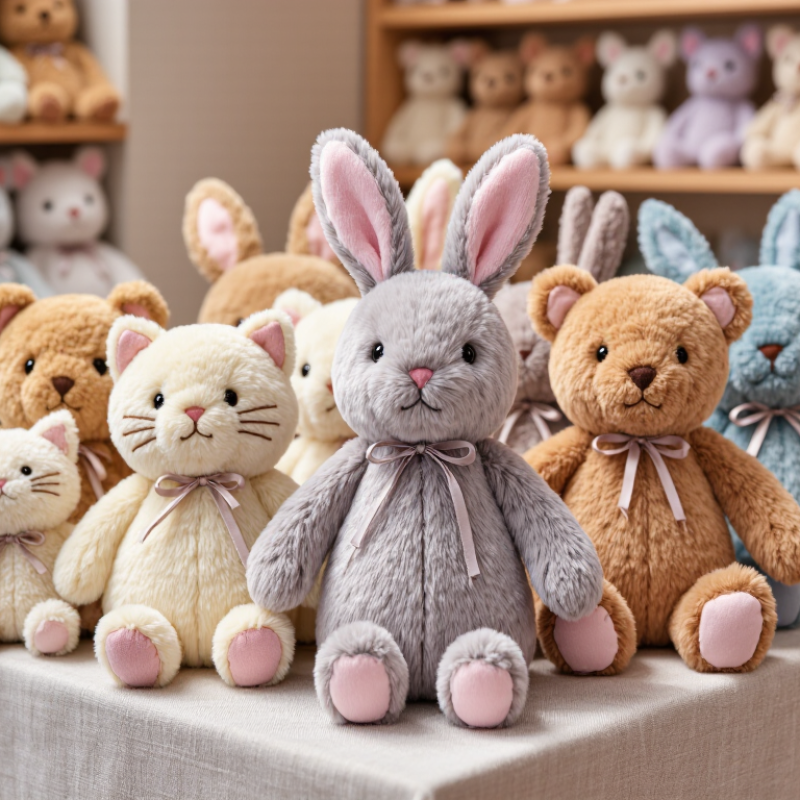
Define Your Bulk Plush Toy Needs and Target Market
Before requesting quotes, decide who will receive the plush toys and where they will be used. A gift shop may need small, shelf-friendly animals, while a children’s activity center may prefer soft toys that are easy to handle and clean. Be specific. Write down the intended age range, expected use, preferred character types, and likely price point. These details help suppliers recommend suitable sizes and materials instead of simply offering the lowest unit cost. A 15-centimeter plush can look appealing in a photo but feel too small as a display centerpiece.
Estimate demand using real clues: past sales, event attendance, seasonal peaks, or the number of store locations. Then consider your audience’s preferences. Are bright colors popular, or do customers choose natural-looking animals? Ask a few buyers if possible. Small details matter. I’d also request a sample before confirming a large order, checking seams, fabric feel, stitching, and whether the toy holds its shape after gentle handling. Keep a written specification for each design, including dimensions, colors, filling, and packaging. It may seem fussy. Still, vague requirements can lead to a shipment that technically matches the picture but misses what your customers wanted. Revisit your assumptions, too; last season’s bestseller may not predict next season’s demand.
10 Tips for Buying Decorative Plush Toys in Bulk - Define Your Bulk Plush Toy Needs and Target Market
| Planning Area | Target Market or Use | Suggested Product Profile | Illustrative Order Quantity | Packaging and Display | Key Checks Before Ordering |
|---|---|---|---|---|---|
| 1. Gift and home décor shops | Adult gift buyers and home decorators | Decorative animals or seasonal characters; approximately 20–35 cm tall; soft, durable fabric with stable sitting or hanging features | 120 units across 3–4 designs | Individual protective bags; shelf-ready assortment cartons | Check finished dimensions, color consistency, seam strength, and whether the toy sits securely on a shelf |
| 2. Children’s gift retailers | Gift buyers shopping for children | Simple, easy-to-clean designs with securely attached features; choose an age grade based on applicable safety requirements | 200 units across 4 designs | Retail tags with care and age-grade information where applicable | Confirm applicable toy-safety testing and labeling for each intended sales market; avoid detachable small parts for products intended for young children |
| 3. Seasonal pop-up shops | Shoppers seeking holiday or event-themed gifts | Seasonal colors and motifs; compact sizes of approximately 15–25 cm for easy display and gifting | 150 units across 3 seasonal designs | Compact cartons labeled by design for quick sorting | Plan delivery well ahead of the selling period and verify artwork, colors, and production timing before confirming the order |
| 4. Tourist and souvenir stores | Visitors looking for lightweight keepsakes | Portable designs with locally relevant themes; approximately 10–20 cm tall | 180 units across 3 designs | Hang tags or display hooks; packaging that protects the toy while remaining easy to browse | Check that any place names, symbols, or artwork are accurate and that required permissions have been obtained |
| 5. Children’s bedrooms and nurseries | Families choosing decorative room accents | Coordinated colors and soft textures; medium or large sizes selected to suit the display space | 100 units across 2–3 designs | Protective packaging that helps keep products clean during storage and transport | State clearly whether the item is decorative or intended as a toy; verify care instructions and applicable safety requirements |
| 6. Party and celebration suppliers | Event planners and shoppers buying favors or décor | Small, lightweight plush designs; approximately 8–15 cm, with simple shapes suitable for themed displays | 300 units in one or two designs | Bulk-packed by design, with inner bags or dividers to simplify distribution | Confirm quantity per carton, packaging dimensions, delivery date, and whether the product’s age grade fits the event audience |
| 7. Online gift sellers | Customers shopping through e-commerce listings | Distinctive designs with clear size options and consistent colors; select sizes that are practical to pack and ship | 120 units across 3 designs | Individual packaging; prepare accurate product photos and measurements for listings | Request a sample, check packed dimensions and shipping weight, and ensure product descriptions match the delivered item |
| 8. Corporate and event gifting | Organizations ordering gifts for staff, guests, or events | Neutral, broadly appealing designs; optional custom color or packaging, subject to production feasibility | 250 units in one design | Individual bags or gift-ready packaging; custom inserts only after artwork approval | Approve a pre-production sample, confirm customization costs and lead time, and obtain permission for any supplied artwork |
| 9. Charity and fundraising sales | Community groups and supporters buying small gifts | Approachable, easy-to-display designs; compact sizes that are simple to transport and distribute | 200 units across 2 designs | Cartons grouped by design with a clear packing list | Set a budget that includes freight and applicable taxes; verify delivery timing and the final quantity before promoting the sale |
| 10. Test order before scaling | New buyers validating demand in their own market | A small selection of sizes, colors, or styles based on customer feedback and available supplier options | Sample first, then a pilot order of 50–100 units if feasible | Keep variants separately labeled so sales and customer feedback can be compared | Check the supplier’s minimum order quantity, sample policy, production capacity, defect process, and reorder lead time |
Quantities are illustrative planning examples, not industry standards. Actual minimum order quantities, specifications, safety obligations, and lead times vary by supplier, product, and destination market.