Best Medical Furniture for Your Healthcare Facility Needs?
In today's healthcare environment, the importance of high-quality Medical Furniture cannot be overstated. According to a report by Grand View Research, the global medical furniture market is expected to reach $38 billion by 2025, driven by increased hospital investments and the growing emphasis on patient-centered care. As noted by Dr. Emily Carter, a leading expert in healthcare infrastructure, “Proper Medical Furniture enhances not only patient comfort but also improves overall healthcare outcomes.”
Selecting the right Medical Furniture is vital for optimizing workflow and ensuring patient safety. Many healthcare facilities struggle with outdated or subpar furniture, affecting both staff efficiency and patient satisfaction. The American Hospital Association indicates that well-designed furniture can reduce patient fall rates by up to 30%. This statistic highlights a glaring issue in many facilities: the need for modernization and improvement in furniture choices.
Furthermore, the ongoing shift towards outpatient care requires adaptable and multifunctional Medical Furniture. Facilities need to reflect on what they currently use and how it impacts care delivery. Investing in innovative furniture solutions is not just an operational decision but a commitment to enhancing the healthcare experience for all involved.
Types of Medical Furniture Essential for Healthcare Facilities
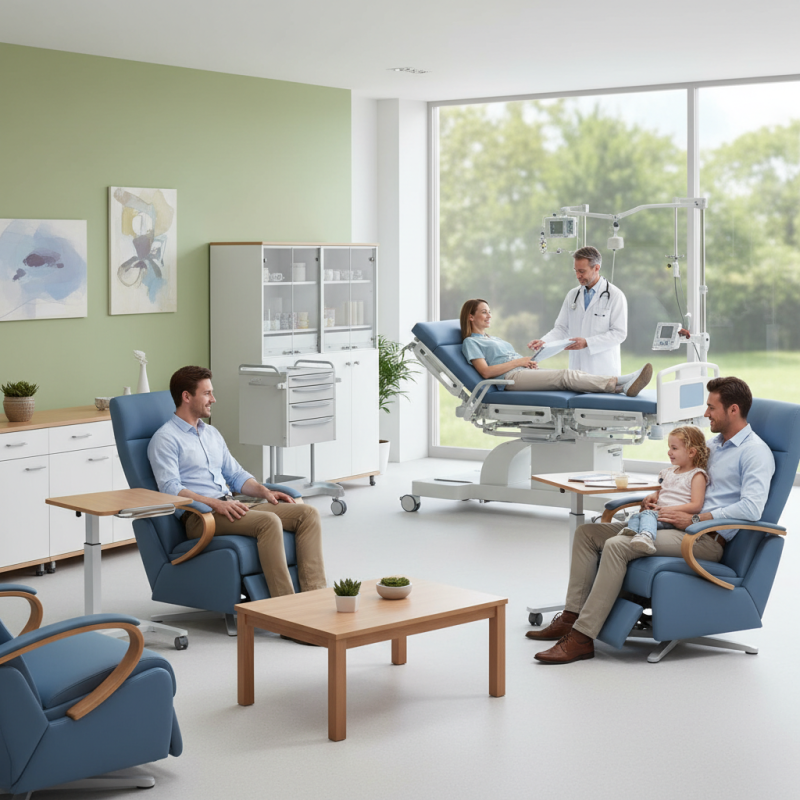
Choosing the right medical furniture is vital for healthcare facilities. It impacts both functionality and patient comfort. Essential types of medical furniture include examination tables, seating arrangements, and storage units. Examination tables should provide easy access for both staff and patients. Adjustable options enhance patient care during procedures.
Seating must accommodate various needs. It should support patients, visitors, and staff well. Look for chairs with ergonomic design. They help reduce strain for those who spend long hours seated. Storage units should be organized and easily reachable. Clutter can lead to mistakes or delays in care.
Tips: When selecting medical furniture, consider durability. High-quality materials withstand daily use. Always prioritize hygiene; surfaces should be easy to clean. Reflect on your current setup. Can it be improved? Assess both space and patient flow. Remember, what works today may need adjustments tomorrow.
Factors to Consider When Choosing Medical Furniture
When choosing medical furniture for your healthcare facility, there are several critical factors to consider. Assess the specific needs of your space. Think about the type of healthcare services provided. Different services may require different furniture styles. For example, a pediatric clinic will need colorful, engaging designs, while an orthopedic practice may focus on more functional equipment.
Evaluate the quality and durability of the furniture. Medical environments demand sturdy, easy-to-clean materials. Look for furniture that can withstand daily wear and tear. Also, consider the ergonomic features. Comfortable seating and adjustable surfaces can greatly improve both patient and staff experiences.
Don’t forget about aesthetics. While functionality is key, a pleasing environment can enhance patient comfort. Balance practicality with design. It’s essential to create a space that feels welcoming. Lastly, budget constraints are real but don’t compromise on quality. Investing in reliable furniture pays off in the long run. Reflect on these aspects to make informed choices for your facility.
Top Brands and Manufacturers of Medical Furniture
When selecting medical furniture for healthcare facilities, it’s vital to consider the brands and manufacturers that best meet your specific needs. Certain manufacturers are renowned for their innovation and quality. They focus on ergonomic designs that support both caregivers and patients. These brands often invest in extensive research to enhance functionality and comfort. They understand the unique demands of medical environments.
The variety of medical furniture available is staggering. From exam tables to patient chairs, each piece serves a purpose. The materials used in these products are often durable and easy to clean. Many manufacturers prioritize both aesthetics and practicality, ensuring furniture fits seamlessly into modern healthcare settings. Yet, not every product will meet every need. Some facilities might find specific items lacking in features or support.
Working with various suppliers can provide insights. Diverse opinions help pinpoint issues and advantages. It’s not uncommon for facilities to face challenges when selecting furniture. Sometimes, what appears perfect on paper may not perform well in practice. Beyond aesthetics, functionality should take precedence. Regular feedback from staff can help refine furniture choices over time.
Best Medical Furniture for Your Healthcare Facility Needs
| Furniture Type | Material | Dimensions (L x W x H) | Weight Capacity | Warranty Period |
| Examination Table | Steel and Vinyl | 72 x 27 x 30 inches | 400 lbs | 5 years |
| Medical Recliner | Aluminum and Upholstery | 32 x 30 x 40 inches | 350 lbs | 3 years |
| Patient Bed | Steel Frame with Foam Mattress | 80 x 36 x 24 inches | 600 lbs | 10 years |
| Rolling Cart | Plastic and Metal | 36 x 18 x 40 inches | 250 lbs | 2 years |
| Surgical Stool | Chrome and Vinyl | 18 x 18 x 20-28 inches (height adjustable) | 300 lbs | 1 year |
Maintenance and Care for Medical Furniture in Healthcare Settings
Maintaining medical furniture requires attention to detail. Regular inspections can identify wear and tear early. Scratches or dents can compromise hygiene. Cleaning must be thorough. Use appropriate solutions to avoid damaging surfaces. Disinfecting high-touch areas is crucial for infection control.
Training staff on proper care is vital. They should understand cleaning protocols and avoid harsh chemicals. Regular maintenance schedules help ensure longevity. Even in well-maintained facilities, furniture can deteriorate. Reflection on usage patterns can inform better choices.
Consider the impact of furniture placement on workflow. Crowded spaces can lead to damage or inefficiencies. Soft pads under furniture legs can minimize scratches on floors. Not all materials withstand heavy use. It’s important to assess what works best for your environment. Care and maintenance are ongoing processes.
Innovative Features in Modern Medical Furniture Design
Modern medical furniture has transformed dramatically, integrating innovative features tailored to enhance healthcare delivery. Ergonomics plays a crucial role in design. Adjustable beds and chairs now prioritize patient comfort, ensuring ease of use for both patients and providers. Many pieces feature antimicrobial surfaces, which helps in reducing infection risks.
Another development involves multifunctional furniture. Examination tables often include integrated storage, allowing for better organization of tools. This also frees up space in the often cramped environments of healthcare facilities. While these advancements are promising, they present a challenge: ensuring all furniture remains user-friendly and easily accessible for diverse patient populations.
Sustainability is also a focal point. Many furniture manufacturers are now opting for eco-friendly materials. However, the durability of these materials raises questions. Will they withstand regular use in a high-traffic setting? Continuous evaluation of these innovative designs is essential to meet evolving healthcare needs while also addressing practical concerns.
