2026 Best Light Therapy Devices for Global Procurement?
In the pursuit of wellness, Light Therapy has emerged as a powerful tool. As more individuals seek out effective solutions for mood enhancement and skin rejuvenation, understanding the best devices for global procurement becomes essential. This technology harnesses specific wavelengths of light to produce significant health benefits.
Several brands have pioneered innovation in light therapy systems. Their authority in the market stems from rigorous research and user testimonials. However, not all devices meet high standards. Consumers must be discerning when evaluating options. The effectiveness of a product often depends on its design and functionality.
As we explore the best light therapy devices for 2026, we will uncover various features to consider. These include light intensity, therapy duration, and user-friendliness. Each device plays a unique role in individual treatment plans. Yet, the journey toward optimal health is personal and variable. Therefore, consumers should reflect on their specific needs and expectations before making a choice.
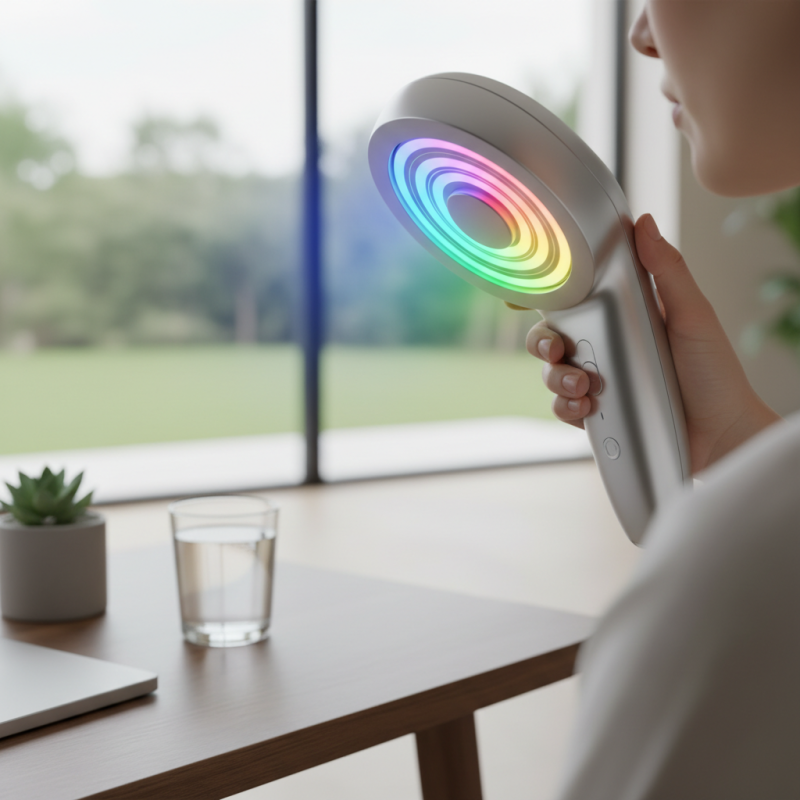
Overview of Light Therapy and Its Applications in Global Markets
Light therapy has gained traction as a non-invasive treatment option in various global markets. This approach utilizes specific wavelengths of light to address conditions like Seasonal Affective Disorder (SAD), skin issues, and sleep disorders. According to a report by Mordor Intelligence, the global light therapy market is projected to grow from $1.1 billion in 2020 to over $2.5 billion by 2026. This reflects a growing acceptance of light therapy among healthcare professionals and consumers alike.
Research supports the efficacy of light therapy for certain conditions, yet challenges remain. While initial studies show promising results, some patients report varying levels of success. This inconsistency points to the need for more standardized protocols and individual assessments. A comprehensive understanding of each therapy's nuances is essential for optimal patient outcomes. Additionally, the rise of therapeutic devices requires careful examination of their safety and effectiveness.
As light therapy devices proliferate in the market, so does the demand for more rigorous research. Industry experts emphasize the importance of clinical trials, focusing on long-term benefits and risks. Each application must be scrutinized to ensure patient safety and effectiveness. While the future looks bright for light therapy, a cautious approach is warranted to navigate its challenges and maximize its potential.
2026 Best Light Therapy Devices for Global Procurement
| Device Type | Wavelength (nm) | Light Type | Application | Market Demand (Units) |
| LED Light Therapy | 460 - 670 | LED | Acne Treatment | 500,000 |
| InfraRed Light Therapy | 800 - 1300 | Infrared | Pain Relief | 300,000 |
| Blue Light Therapy | 400 - 490 | LED | Skin Care | 250,000 |
| Red Light Therapy | 620 - 750 | LED | Anti-Aging | 400,000 |
| Photodynamic Therapy Devices | 600 - 700 | Laser | Cancer Treatment | 150,000 |
Key Criteria for Selecting Light Therapy Devices in Procurement
When selecting light therapy devices for procurement, ensure you assess their effectiveness. The spectrum of light emitted should align with the specific therapy needs. Different conditions require varied wavelengths. For instance, blue light might be effective for acne, while red light aids in skin rejuvenation. Understanding the science behind these wavelengths is crucial.
Reliability is another critical factor. Check for certifications and compliance with safety standards. This ensures that the products are tested and safe for use. If studies are lacking, seek peer-reviewed research that supports the claims of effectiveness. User experiences can provide real insight into product performance and longevity.
Think about user-friendliness too. Complexity can deter regular use. Devices should be easy to operate, with clear instructions. Consider features such as timers or adjustable intensities. Reflection on usability often highlights design flaws. It's essential to gather feedback from actual users to identify any recurring issues.
Top Light Therapy Devices of 2026: Features and Benefits
Light therapy devices have gained immense popularity for their healing benefits. As we approach 2026, it’s crucial to explore the features that distinguish these devices. One common trait is their use of LED technology. This offers various wavelengths to target specific skin concerns like acne or aging. Devices often include options for red, blue, and near-infrared light. This variety enhances flexibility in treatment choices, catering to individual needs. Users appreciate how easy it is to incorporate into their routines.
Another important feature is user-friendly designs. Many devices now have adjustable settings for light intensity and treatment duration. This customization maximizes effectiveness while maintaining comfort. Some devices also have built-in timers, ensuring consistency in use. However, not all devices are created equal. It's essential to research thoroughly before making a decision. Some may not deliver the expected results consistently, leading to frustration. User experiences can vary widely as skin types respond differently to light therapy. Being mindful of these factors can lead to more satisfying results.
Comparative Analysis of Pricing and Procurement Strategies
In recent years, light therapy devices have gained significant attention for their therapeutic benefits. A market analysis conducted by Grand View Research projects the global light therapy market to reach approximately $2.10 billion by 2026, driven by rising awareness of mental health and skin care. This presents an opportunity for procurement specialists to explore various pricing and sourcing strategies.
When analyzing procurement strategies, it is essential to consider the price disparities among light therapy devices. A price comparison study indicates that costs can range broadly from $50 to over $500, depending on features and technology. Organizations should evaluate the total cost of ownership, which includes maintenance and operational expenses. Reliability of the devices is critical; it directly impacts long-term procurement decisions.
Despite the growing market, challenges exist. Some devices may not meet stringent quality standards, leading to potential issues with efficacy. A 2022 survey highlighted that over 30% of consumers reported dissatisfaction with device performance. This indicates a need for thorough vetting processes before procurement. Companies should focus on evidence-based research when selecting devices to ensure they meet healthcare regulations and performance expectations. Balancing cost with quality and efficacy will be essential for effective procurement strategies in this evolving market.
Future Trends in Light Therapy Device Innovations and Market Demand
The light therapy device market is evolving rapidly. Innovations in technology are driving both product development and consumer demand. According to a recent report from Grand View Research, the global light therapy market is projected to reach $2.5 billion by 2026, growing at a CAGR of approximately 6.5%. This surge reflects an increasing awareness of light therapy benefits for mood disorders, skin conditions, and pain relief.
Emerging trends include portable devices and app-integrated designs. Users now prefer lightweight, user-friendly devices. The rise of telehealth has spurred a demand for home-based solutions. A survey indicated that 78% of respondents are open to using light therapy at home. However, understanding proper usage remains a challenge for many. The efficacy of these devices varies, necessitating ongoing education and guidance for consumers.
Despite advancements, the industry faces hurdles. Regulation and safety standards are vital in ensuring product reliability. Some devices might not provide the claimed results. Continuous research is essential to validate the claims associated with innovative features. As the market grows, addressing these concerns will enhance consumer trust and support sustainable growth.
