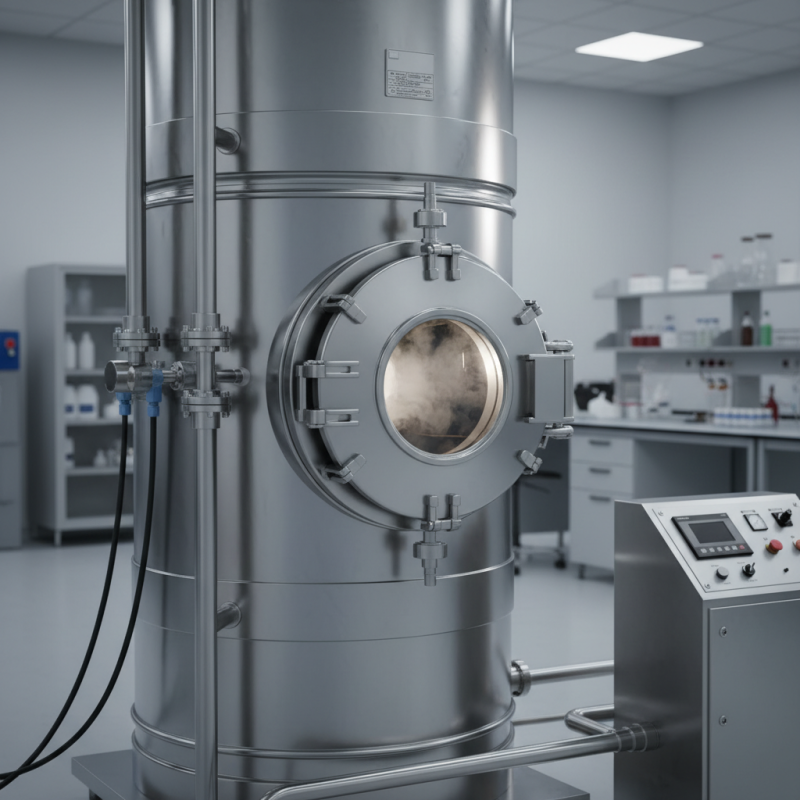
What is an Autoclave Vessel and How Does it Work?
An Autoclave Vessel is a vital piece of equipment in many industries. It is designed to provide high-pressure and high-temperature environments. This is essential for sterilization, materials testing, and special manufacturing processes.
In an Autoclave Vessel, steam or other gas circulates at controlled temperatures. The process ensures thorough sterilization. However, it's worth noting that improper use can lead to failures. Users must understand the settings and materials involved. The design of the Autoclave Vessel can vary, but the principle remains the same.
Despite its importance, some may overlook maintenance. An unkempt autoclave can lead to inefficiencies. Regular checks ensure safety and reliability. Investing time in understanding the Autoclave Vessel can enhance its effectiveness.
What is an Autoclave Vessel? Definition and Overview
An autoclave vessel is a sealed container that uses high pressure and temperature to sterilize equipment and materials. It’s commonly found in medical and industrial settings. The vessel ensures that all surfaces are exposed to steam, effectively killing bacteria, viruses, and spores. This process is crucial for maintaining a sterile environment in hospitals, laboratories, and even some food preparation areas.
Inside an autoclave, items such as surgical instruments are placed on shelves. The door seals tightly to create a controlled environment. Once sealed, the chamber is filled with steam. The pressure increases as the temperature rises. For many, this process can seem straightforward. Yet, failures can occur. For instance, improper loading can lead to inadequate sterilization. Monitoring temperature and pressure is essential to ensure safety and efficiency. There are constant adjustments and checks needed. Maintaining an autoclave requires diligence and attention to detail to prevent errors.
Key Components of an Autoclave Vessel and Their Functions
An autoclave vessel is a critical piece of equipment in various industries, including medical and pharmaceutical sectors. The key components of this vessel include the chamber, the heating elements, and the pressure control system. Each part plays a distinct role in ensuring effective sterilization processes.
The chamber is where the items to be sterilized are placed. It's designed to withstand high pressure and temperature. A typical autoclave operates at temperatures of 121-134 degrees Celsius, effectively killing bacteria and spores. Reports show that over 90% of sterilization failures occur due to improper loading or inadequate sterilization cycles. It’s crucial to understand how to use the chamber properly for effective results.
The heating elements ensure that the chamber reaches the necessary temperature quickly. They must be efficient and capable of maintaining consistent heat throughout the process. The pressure control system is equally important. It regulates pressure levels, ensuring that the steam can penetrate all items evenly. Inaccuracies here can lead to incomplete sterilization. Some studies indicate that poorly maintained systems can lead to up to 30% of batches being deemed sterile but actually harboring pathogens. Awareness of these components can significantly enhance sterilization practices.
Key Components of an Autoclave Vessel and Their Functions
Principles of Operation: How Autoclaves Achieve Sterilization
Autoclaves are essential sterilization tools used in various fields. They operate on the principle of using high-pressure steam to eliminate harmful microorganisms. This method is effective at reaching temperatures around 121°C (250°F) or higher, essential for thorough sterilization. Inside the autoclave vessel, steam penetrates materials and surfaces, disrupting cell structures in bacteria and spores.
The process involves several key phases. First, the air inside the vessel is purged to create an optimal environment. Then, steam is injected under pressure. This steam must reach all items present. Sometimes, uneven steam distribution occurs, leaving some areas unsterilized. Effective placement of materials can help ensure the entire load is properly sterilized.
After the sterilization phase, cooling occurs. This step also requires careful monitoring. Often, insufficient cooling can lead to moisture retention on instruments, promoting microbial growth. Autoclave operation is not foolproof; regular maintenance and validation are crucial. Understanding these principles helps users optimize sterilization processes and minimize failures. Proper use ensures a safe and hygienic environment in healthcare settings.
What is an Autoclave Vessel and How Does it Work?
| Aspect | Details |
| Definition | An autoclave vessel is a sealed container that uses steam under pressure to sterilize equipment and materials. |
| Operating Principle | Autoclaves achieve sterilization through a combination of heat, pressure, and time. |
| Temperature | Typically, autoclaves operate at temperatures ranging from 121°C to 134°C (250°F to 273°F). |
| Pressure | Pressure inside the autoclave can reach up to 15-30 psi to achieve and maintain high temperatures. |
| Types of Loads | Autoclaves can sterilize a variety of loads, including liquids, solids, and porous materials. |
| Cycle Duration | Typical sterilization cycles last from 15 to 60 minutes, depending on the load and temperature. |
| Applications | Commonly used in medical, dental, and laboratory settings for sterilizing instruments and materials. |
| Validation | Regular testing and validation are necessary to ensure the autoclave is functioning correctly. |
Applications of Autoclave Vessels in Various Industries
Autoclave vessels are indispensable in numerous industries. In healthcare, they ensure sterilization of instruments. The global market for autoclaves in hospitals is projected to reach approximately $700 million by 2026, driven by stringent sterilization standards. Proper use and maintenance are crucial. Failure to follow protocols can lead to infection risks.
In aerospace, autoclave vessels apply to composite materials. They help cure carbon fiber components with precise temperature and pressure control. The aerospace composites market is expected to grow to $35 billion by 2025. Yet, the complexity of the curing process can sometimes result in defects, requiring further inspection and repair.
Additionally, the food industry utilizes autoclaves for canning. This method extends shelf life while preserving quality. However, mistakes in temperature control can lead to spoilage or unsafe products. Data from reports show that the food safety market is estimated to exceed $20 billion by 2024, underscoring the importance of effective autoclave operations. As industries evolve, the challenges and learning curves associated with these vessels continue to inspire innovation.
Industry Standards and Best Practices for Autoclave Use
Autoclaves are vital in various industries, such as healthcare and manufacturing. Their efficiency relies on adhering to industry standards. The Association for the Advancement of Medical Instrumentation (AAMI) published guidelines emphasizing the importance of regular maintenance and validation of autoclave systems. According to AAMI, improper sterilization can lead to bioburden management failures, which undermines patient safety.
Best practices include routine monitoring of cycle parameters. Pressure, temperature, and time must meet predefined criteria. Approximately 90% of sterilization failures can be traced back to operator error or equipment malfunction. Regular training for staff plays a key role in minimizing these risks. Even minor lapses in technique can result in serious consequences, highlighting the need for continuous education.
Documentation is often overlooked but is crucial for compliance. Many facilities fail to keep accurate records, impacting future audits and assessments. This negligence can lead to false security about sterilization effectiveness. Monitoring logs and cycle data should be systematically reviewed. Implementing a culture of accountability is essential. Autoclave operations must prioritize these standards to ensure reliable outcomes.